
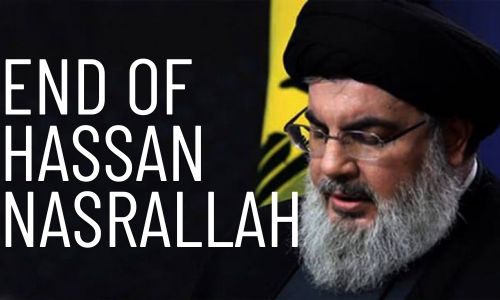
End of Hassan Nasrallah
Hassan Nasrallah, the leader of Hezbollah, was recently killed in an Israeli airstrike on the group’s central headquarters in Beirut. This event marks a significant moment in the ongoing conflict between Israel and Hezbollah, as Nasrallah had been a prominent figure in the organization for over three decades.
Aftermaths of Death of Hassan Nasrallah
The death of Hassan Nasrallah, the leader of Hezbollah, has had significant repercussions in the region:
- Increased Tensions: The immediate aftermath has seen a surge in hostilities between Israel and Hezbollah. Both sides have continued to launch attacks, with Israel targeting Hezbollah’s infrastructure and Hezbollah firing rockets into Israel.
- Leadership Vacuum: Nasrallah’s death has created a leadership void within Hezbollah. This could lead to internal power struggles as the group seeks to appoint a new leader.
- Humanitarian Impact: The conflict has exacerbated the humanitarian crisis in Lebanon. The number of displaced people has surged, with nearly a million people forced to leave their homes.
- Regional Stability: The broader Middle East region is on high alert. The United States has increased its military presence to deter further aggression and prevent a wider regional conflict.
- Strategic Shifts: Israel might reconsider its military strategies, including the possibility of a ground invasion of Lebanon.
These developments indicate a volatile period ahead for the region.
Dent to Iranian Proxies
The deaths of Hassan Nasrallah and Ismail Haniyeh have significantly impacted Iran’s network of proxies in the Middle East:
- Leadership Void: The loss of Nasrallah, a key figure in Hezbollah, and Haniyeh, a prominent leader in Hamas, has created a leadership vacuum. This has disrupted the command structure and decision-making processes within these groups.
- Operational Disruption: Both Hezbollah and Hamas have faced operational setbacks. The deaths of their leaders have led to a temporary disarray, affecting their ability to coordinate and execute military operations effectively.
- Strategic Reassessment: Iran is now forced to reassess its strategies in the region. The loss of such influential leaders has weakened its ability to project power through its proxies, leading to a potential shift in its approach to regional conflicts.
- Increased Vulnerability: The deaths have exposed the vulnerabilities of Iran’s proxy network. This has emboldened Israel and other regional actors to take more aggressive actions against these groups, further destabilizing Iran’s influence.
- Morale and Recruitment: The morale within Hezbollah and Hamas has been affected. The loss of charismatic leaders can impact recruitment and the overall resolve of fighters within these groups.
These developments indicate a challenging period ahead for Iran’s proxies, potentially leading to a reconfiguration of alliances and strategies in the region.
Hezbollah’s Reaction
Hezbollah has responded to Hassan Nasrallah’s death with a strong vow to continue its resistance against Israel. The group has pledged to carry on the “holy war” in support of Palestine and Lebanon. This commitment indicates that Hezbollah intends to maintain its militant activities despite the loss of its leader.
Additionally, Hezbollah has confirmed Nasrallah’s death and honored him as a martyr, emphasizing their resolve to persist in their struggle. The group’s rhetoric suggests that they are preparing for continued conflict, which could lead to further escalations in the region.
World Reaction
The death of Hassan Nasrallah has elicited varied reactions from regional actors:
- Iran: Iran has strongly condemned the killing, with Supreme Leader Ayatollah Ali Khamenei urging Muslims to support Hezbollah and Lebanon against Israel. Iran’s support for Hezbollah is expected to continue, possibly intensifying in the wake of Nasrallah’s death.
- Israel: Israel has justified the airstrike, stating that Nasrallah was responsible for numerous attacks against Israeli civilians and military personnel. The Israeli government views this as a significant blow to Hezbollah’s leadership.
- Hamas: The Palestinian militant group Hamas has mourned Nasrallah’s death, stating that it will only strengthen their resolve to resist Israel. This indicates a potential increase in cooperation between Hamas and Hezbollah.
- Lebanon: Within Lebanon, reactions are mixed. Some factions support Hezbollah and view Nasrallah as a martyr, while others see his death as an opportunity to reduce Hezbollah’s influence and move towards a more stable political environment.
- United States: The U.S. has increased its military presence in the region to deter further escalation and maintain stability. The U.S. government has also reiterated its support for Israel’s right to defend itself.
These reactions highlight the complex and multifaceted nature of regional politics in the Middle East.
Effect on Gaza Conflict
The death of Hassan Nasrallah has had a notable impact on the Gaza conflict, especially following the events of October 7th:
- Escalation of Violence: Nasrallah’s death has intensified the conflict between Israel and Hezbollah, with Hezbollah increasing its rocket and missile attacks on northern Israel in solidarity with Hamas. This has added another layer of complexity to the already volatile situation in Gaza.
- Solidarity Among Militant Groups: Hezbollah’s response to Nasrallah’s death has included stronger support for Hamas. This solidarity has manifested in coordinated attacks and increased military cooperation between the two groups.
- Regional Instability: The killing of Nasrallah has heightened tensions across the Middle East. Countries like Iran have condemned the assassination and called for greater support for Hezbollah and Hamas. This has led to fears of a broader regional conflict.
- Humanitarian Crisis: The escalation in violence has worsened the humanitarian situation in Gaza and southern Lebanon. Increased military actions have led to more civilian casualties and displacement.
- International Reactions: The international community, including the United States, has expressed concern over the potential for a wider conflict. Efforts to mediate and de-escalate the situation have been ramped up.
These developments indicate a challenging period ahead for the region.
Dilemmas of Hassan Nasrallah
Hassan Nasrallah faced several dilemmas during his leadership of Hezbollah, which have become even more pronounced after his death:
- Balancing Lebanese Interests and Iranian Influence: Nasrallah had to navigate the complex relationship between Hezbollah’s local Lebanese interests and its strong ties to Iran. Hezbollah’s reliance on Iranian support often put it at odds with other Lebanese factions and the broader Lebanese population.
- Military Engagement vs. Political Participation: Nasrallah struggled with the dual role of Hezbollah as both a militant group and a political party. Balancing these roles required careful maneuvering to maintain legitimacy and support within Lebanon while continuing its military activities against Israel.
- Sectarian Tensions: Hezbollah, being a Shia organization, had to manage its relationships with Sunni groups in Lebanon and the broader Middle East. Nasrallah’s leadership was marked by efforts to bridge these sectarian divides, though not always successfully.
- Regional Stability: Nasrallah’s actions often had broader implications for regional stability. His decisions had to consider the potential for escalating conflicts, not just with Israel but also with other regional actors like Saudi Arabia and the Gulf states.
These dilemmas highlight the complex and often contradictory nature of Nasrallah’s leadership.
Criticism
Hassan Nasrallah faced criticism from various quarters for not taking firmer action against Israel. Here are some key points of criticism:
- Perceived Hesitation: Some critics argue that Nasrallah’s cautious approach, especially in recent years, was seen as a sign of hesitation. They believe that his reluctance to escalate conflicts with Israel undermined Hezbollah’s image as a strong resistance movement.
- Strategic Restraint: Nasrallah often opted for strategic restraint, avoiding full-scale confrontations with Israel. This approach was intended to prevent devastating retaliations and maintain Hezbollah’s long-term viability. However, this restraint was sometimes viewed as a lack of decisive action.
- Internal and External Pressures: Nasrallah had to balance internal pressures from within Hezbollah and external pressures from Iran. His decisions were influenced by the need to protect Hezbollah’s interests and maintain support from Iran, which sometimes led to criticism that he was not prioritizing the immediate fight against Israel.
- Public Perception: Within Lebanon, there were mixed reactions to Nasrallah’s strategies. While some supported his cautious approach to avoid further destruction in Lebanon, others felt that he should have taken a more aggressive stance against Israel.
These criticisms highlight the complex and often contradictory nature of Nasrallah’s leadership. Regardless of all the constraints, masses are criticizing the way of Hezbollah, Iran and Turkey for awaiting whole one year since 7th October 2023 to avenge the murder of 0.2 million innocent people by toppling the retaliation of zionist regime of Israel but hesitation of taking firm actions costed him his own life because you DO IT or YOU DIE WHILE DOING IT but unfortunately Hassan Nasrallah and other counter parts chose neither of them.
Successor of Hassan Nasrallah
Following the death of Hassan Nasrallah, there are a few key figures who are considered potential successors to lead Hezbollah:
- : He is widely regarded as the frontrunner to succeed Nasrallah. Safieddine is the head of Hezbollah’s Executive Council and a cousin of Nasrallah. He has strong ties to Iran and has been involved in both the political and military aspects of Hezbollah.
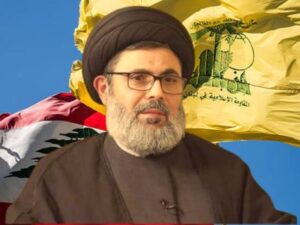
- Naim Qassem: The deputy leader of Hezbollah, Qassem has been a prominent figure within the organization for many years. He has a significant influence within the group and is another potential candidate for leadership.
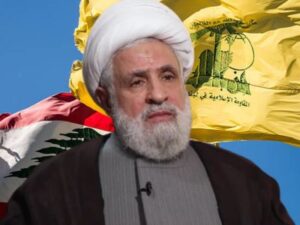
These individuals are expected to continue Hezbollah’s current strategies and maintain its alignment with Iran. The choice of successor will likely shape the future direction of Hezbollah and its role in the region.












LEAVE A COMMENT