

Education – The Way Forward
OUTLINE
1: Introduction
2: Education makes people easy to lead but difficult to drive
(a) Definition of leadership and driving
(b) How education fosters critical thinking
(c) Education enhances individuality
(d) Examples of educated people who are difficult to drive
3: Education makes people easy to govern but impossible to enslave
(a) The importance of governance in society
(b) Education promotes civic responsibility
(c) Education instills awareness of rights and freedoms
(d) Examples of educated societies that are difficult to enslave
4: Education as a tool for empowerment
(a) The transformative effect of education
(b) Education as a means of upward mobility
(c) Education as a catalyst for social change
5: Conclusion
ESSAY
Education is often hailed as the cornerstone of human development, and it is widely accepted that educated individuals have a significant advantage in life. The quote, “Education makes a people easy to lead, but difficult to drive; easy to govern, but impossible to enslave,” captures the essence of the transformative power of education. It suggests that education makes individuals more amenable to leadership and governance, but at the same time, it makes them resistant to manipulation and coercion. In this essay, we will explore the meaning of this quote, and examine the various ways in which education plays a critical role in shaping individuals and communities.
The first part of the quote, “Education makes a people easy to lead, but difficult to drive,” suggests that education fosters critical thinking, which is necessary for effective leadership. Educated individuals tend to be more independent-minded, questioning authority, and analyzing situations before making informed decisions. This ability to think critically and independently makes them difficult to manipulate or coerce, as they are less likely to blindly follow orders or conform to social pressures. Furthermore, education enhances individuality, which means that educated individuals are less likely to be swayed by propaganda or misleading information. They are more likely to stand up for their beliefs and resist attempts to drive them in a particular direction. This can be seen in the examples of educated individuals who have challenged oppressive regimes or worked towards social reform.
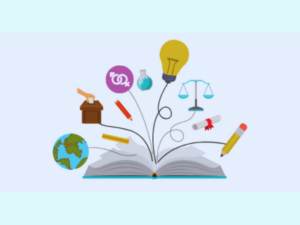
In conclusion, education plays a critical role in developing critical thinking and individuality, which makes individuals easy to lead but difficult to drive. This ability to think independently and resist manipulation is essential for effective leadership and maintaining a free and democratic society. In the context of the statement “Education makes people easy to lead but difficult to drive”, leadership refers to the ability to inspire, motivate, and guide individuals towards a common goal through effective communication and collaboration. Educated individuals who possess critical thinking skills and independent thought are more likely to follow such leadership willingly and effectively.
Education cultivates critical thinking, empowering individuals to resist coercion and make informed decisions. It equips them with skills to objectively analyze information, identify biases, and evaluate source credibility. Exposure to diverse perspectives challenges assumptions and fosters nuanced viewpoints. Through education, individuals develop independent thought, resilience to manipulation, and the ability to form well-reasoned opinions.
Education also teaches individuals to communicate effectively and express their ideas clearly and logically. This skill is essential for critical thinking as it enables individuals to articulate their thoughts, express their opinions, and engage in constructive dialogue with others. Overall, education provides individuals with the tools and skills necessary to think critically, evaluate information objectively, and communicate effectively. These skills are essential for effective decision-making, problem-solving, and leadership, which is why education plays a critical role in fostering critical thinking.

Education enhances individuality by providing individuals with the tools and knowledge necessary to think independently and critically. When individuals are educated, they are better able to form their own opinions, challenge assumptions, and make informed decisions. This ability to think independently and critically is a key aspect of individuality, as it allows individuals to develop unique perspectives and ideas. Furthermore, education provides individuals with exposure to a diverse range of ideas, cultures, and experiences. This exposure encourages individuals to explore their own identity and values, and to form their own opinions about the world around them. This process of self-discovery is an important aspect of individuality, as it allows individuals to define themselves on their own terms.
Education also fosters creativity and innovation, which are essential for individuality. Educated individuals are more likely to explore new ideas, challenge traditional norms, and seek out new solutions to problems. This willingness to think outside the box and challenge the status quo is a key aspect of individuality, as it allows individuals to express their unique perspectives and ideas. Overall, education plays a critical role in enhancing individuality by providing individuals with the tools and knowledge necessary to think independently, explore their identity and values, and express their unique perspectives and ideas.
There are many examples of educated individuals who are difficult to drive, as they possess critical thinking skills and independent thought that make them resistant to manipulation or coercion. Here are a few examples:
1: Albert Einstein: Einstein was a highly educated physicist who revolutionized our understanding of the universe. His education and critical thinking skills enabled him to challenge conventional scientific wisdom and to develop groundbreaking theories in the field of physics.
2: Marie Curie: Curie was an educated physicist and chemist who was the first woman to win a Nobel Prize. Her education and critical thinking skills enabled her to make groundbreaking discoveries in the field of radioactivity.
3: Abraham Lincoln: Lincoln was an educated lawyer and politician who served as the 16th President of the United States. His education and critical thinking skills enabled him to lead the country through one of its most challenging periods, the Civil War, and to work towards ending slavery.
4: Quaid e Azam Muhammad Ali Jinnah: As mentioned earlier, Jinnah was a highly educated lawyer and politician who led the movement for the creation of Pakistan. His education and critical thinking skills enabled him to challenge the British colonial rule in India and to work towards the creation of a separate Muslim state.
5: Allama Iqbal: Iqbal was an educated poet, philosopher, and politician who played a key role in the creation of Pakistan. His education and critical thinking skills enabled him to challenge traditional ideas of identity and nationalism, and to work towards the establishment of a separate Muslim state in South Asia.
6: Thomas Jefferson: Jefferson was an educated lawyer, politician, and founding father of the United States. His education and critical thinking skills enabled him to draft the Declaration of Independence, to challenge traditional notions of government and democracy, and to work towards the establishment of a democratic republic.
7: Frederick Douglass: Douglass was an educated writer, speaker, and abolitionist who played a key role in the abolition of slavery in the United States. His education and critical thinking skills enabled him to challenge traditional ideas of race and identity, and to work towards the establishment of a more just and equal society.
8: Winston Churchill: Churchill was an educated politician and writer who served as the Prime Minister of the United Kingdom during World War II. His education and critical thinking skills enabled him to lead Britain through the war and to inspire the country with his speeches and writing.
9: Nelson Mandela: As mentioned earlier, Mandela was an educated lawyer and anti-apartheid activist who fought against racial discrimination and segregation in South Africa. He spent 27 years in prison for his beliefs but never wavered in his commitment to justice and equality.
10: Martin Luther King Jr.: As mentioned earlier, King was an educated minister and civil rights activist who used nonviolent resistance to challenge racial discrimination and segregation in the United States.
11: Gloria Steinem: Steinem is an educated writer and feminist activist who has been a leader in the women’s rights movement for decades. Her education and critical thinking skills have enabled her to challenge gender norms and to advocate for the empowerment of women.
12: Barack Obama: Obama is an educated lawyer and politician who served as the 44th President of the United States. His education and critical thinking skills enabled him to lead the country through complex economic and political challenges and to work towards social justice and equality.
13: Ellen Johnson Sirleaf: Sirleaf is an educated economist and politician who served as the President of Liberia from 2006 to 2018. Her education and critical thinking skills enabled her to lead the country through a period of political and economic instability and to work towards peace and reconciliation.
14: Benazir Bhutto: Bhutto was an educated politician who served as the Prime Minister of Pakistan twice. Her education and critical thinking skills enabled her to challenge traditional gender norms and to advocate for democracy and human rights in Pakistan.
Indeed education makes people easy to govern but impossible to enslave which is a famous quote attributed to Henry Peter Brougham, a 19th-century British statesman and social reformer. The idea behind this quote is that education is a powerful tool for empowering individuals and creating a more just and democratic society. When people are educated, they are more likely to be informed about their rights and responsibilities as citizens, and more likely to participate in the political process. This makes them easier to govern because they understand the importance of following laws and regulations, and they are more likely to hold their leaders accountable for their actions.
At the same time, education also makes people more resistant to being enslaved or oppressed. When people are educated, they are more likely to be aware of their own value and dignity as human beings, and more likely to resist attempts to dehumanize or exploit them. They are also more likely to be aware of the injustices and inequalities in society and to work towards creating a more just and equitable world. Overall, education is a powerful tool for promoting individual freedom, social justice, and democratic governance. It empowers individuals to take control of their lives and to work towards creating a better world for themselves and for others.
Governance is the process by which societies are managed and regulated. It involves the creation and implementation of policies, laws, and regulations, as well as the allocation of resources and the provision of services to citizens. Good governance is essential for the well-being of society, as it ensures that resources are used efficiently and fairly, and that citizens’ rights and needs are protected. In the context of the statement “Education makes people easy to govern but impossible to enslave,” the importance of governance lies in the fact that education can help create a more informed and engaged citizenry, which in turn can lead to better governance. When people are educated, they are more likely to understand the importance of following laws and regulations, and more likely to participate in the political process.
At the same time, education also makes people more resistant to being enslaved or oppressed by those in power. When people are educated, they are more likely to be aware of their own rights and freedoms, and more likely to resist attempts to limit or control them. They are also more likely to be aware of the injustices and inequalities in society, and to work towards creating a more just and equitable world. In short, good governance is essential for the well-being of society, and education is a powerful tool for promoting good governance. When people are educated, they are more likely to understand the importance of following laws and regulations, and more likely to participate in the political process. This creates a more informed and engaged citizenry, which in turn can lead to better governance and a more just and equitable society.
Education is a powerful tool for promoting awareness of rights and freedoms among individuals. When people are educated, they become more aware of their own rights and freedoms, as well as the rights and freedoms of others. This knowledge empowers them to stand up for themselves and for others, and to resist attempts to limit or control their actions. In the context of the statement “Education makes people easy to govern but impossible to enslave,” education plays a critical role in instilling awareness of rights and freedoms among individuals. When people are educated, they are more likely to understand the importance of following laws and regulations, and more likely to participate in the political process. This makes them easier to govern because they are more likely to support policies that benefit society as a whole.
At the same time, education also makes people more resistant to being enslaved or oppressed by those in power. When people are educated, they become more aware of their own rights and freedoms, and more likely to resist attempts to limit or control them. This awareness also helps them to recognize when their rights are being violated, and to take action to defend themselves and others. Overall, education plays a critical role in instilling awareness of rights and freedoms among individuals, which in turn can lead to better governance and a more just and equitable society. It empowers individuals to stand up for themselves and for others, and to resist attempts to limit or control their actions. As such, education is a powerful tool for promoting individual freedom and social justice, and for creating a more democratic and equitable world.
There are many examples of educated societies that have been difficult to enslave or oppress throughout history. Here are a few:
Ancient Greece: Ancient Greece was known for its emphasis on education and philosophy, which played a significant role in the development of democracy and the idea of individual freedom.
1: United States of America: The United States is a nation founded on the principles of individual freedom and equality, with a strong emphasis on education and intellectual inquiry.
2: Japan: Japan is a highly educated society with a long history of political stability and resistance to foreign domination.
3: Sweden: Sweden is known for its strong social welfare system and emphasis on education and equality, which has helped to create a highly educated and politically engaged population.
4: South Korea: South Korea has rapidly developed into a highly educated society with a thriving economy and strong democratic institutions, despite facing significant political and economic challenges in the past.
5: Israel: Israel has a highly educated population and a strong sense of national identity, which has helped to foster resilience and resistance to external threats.
6: Finland: Finland has a highly advanced education system and a strong social welfare state, which has helped to create a politically engaged and highly educated population.
Overall, these examples demonstrate the power of education in creating resilient and empowered societies that are difficult to enslave or oppress. Education fosters critical thinking, instills awareness of rights and freedoms, and empowers individuals to stand up for themselves and for others. As such, it is a critical tool for creating a more just and equitable world.
Education is a powerful tool for empowering individuals and communities. It can provide people with the knowledge, skills, and confidence they need to take control of their lives, pursue their goals, and contribute to society. Here are some ways in which education can be used as a tool for empowerment:
- Economic empowerment: Education can provide individuals with the skills and knowledge they need to succeed in the job market and build a better life for themselves and their families. By increasing access to education, individuals can gain better-paying jobs and improve their economic circumstances.
- Social empowerment: Education can help individuals to better understand their rights and responsibilities as citizens, and to engage in civic life. It can also promote social mobility and help to reduce inequalities by providing opportunities for people from all backgrounds to succeed.
- Personal empowerment: Education can help individuals to develop self-confidence, critical thinking skills, and a sense of purpose. By empowering individuals to pursue their passions and interests, education can help them to lead fulfilling lives and make meaningful contributions to society.
- Community empowerment: Education can be used as a tool for community development and empowerment. By providing education and training to members of a community, they can develop the skills and knowledge they need to address local problems and work together to create positive change.
Overall, education is a critical tool for empowering individuals and communities. It can provide people with the knowledge and skills they need to take control of their lives and pursue their goals, and can also help to create more just and equitable societies. By investing in education, we can help to create a brighter future for all.
Education has a transformative effect on individuals, communities, and societies. It has the power to change the way people think, act, and relate to the world around them. Here are some ways in which education can have a transformative effect:
- Empowerment: Education can empower individuals by providing them with the knowledge, skills, and confidence they need to take control of their lives and pursue their goals.
- Critical thinking: Education promotes critical thinking by encouraging individuals to question assumptions, analyze information, and develop independent opinions. This can help individuals to become more informed and engaged citizens.
- Social mobility: Education can provide individuals with the skills and credentials they need to advance in their careers and improve their economic circumstances. This can help to reduce inequalities and promote social mobility.
- Cultural awareness: Education can promote cultural awareness by exposing individuals to different perspectives, values, and traditions. This can help to promote understanding and tolerance across cultures.
- Innovation: Education can promote innovation by encouraging individuals to think creatively and develop new ideas. This can lead to technological advancements, new discoveries, and improved processes.
Overall, education has the power to transform individuals, communities, and societies. It can help to break down barriers, promote social cohesion, and create a more just and equitable world. By investing in education, we can help to create a brighter future for all.
Education is one of the most powerful means of upward mobility, providing individuals with the skills and knowledge they need to improve their economic and social circumstances. Here are some ways in which education can serve as a means of upward mobility:
- Career advancement: Education provides individuals with the knowledge and skills necessary to advance in their careers. This can lead to higher salaries, better job security, and increased opportunities for professional growth.
- Entrepreneurship: Education can also provide individuals with the skills and knowledge necessary to start their own businesses. This can lead to financial independence and the creation of new jobs and economic opportunities.
- Social mobility: Education can help individuals to move up the social ladder, allowing them to access better-paying jobs and improve their standard of living. This can help to reduce inequalities and promote social mobility.
- Cultural capital: Education can provide individuals with cultural capital, which refers to the knowledge, skills, and habits of behavior that are valued by society. This can give individuals an advantage in social and professional situations.
- Networking opportunities: Education can provide individuals with networking opportunities that can lead to career opportunities and social mobility. By connecting with classmates, professors, and alumni, individuals can build valuable relationships that can help them throughout their careers.
Overall, education is a powerful means of upward mobility, providing individuals with the knowledge and skills they need to improve their economic and social circumstances. By investing in education, we can help to create a more just and equitable society, where everyone has the opportunity to succeed.
Education is a powerful catalyst for social change, as it can provide individuals with the knowledge, skills, and values they need to make a positive impact on their communities and society at large. Here are some ways in which education can act as a catalyst for social change:
- Empowerment: Education can empower individuals to take action and make a difference in their communities. By providing individuals with the knowledge and skills they need to advocate for themselves and others, education can help to create a more engaged and active citizenry.
- Critical thinking: Education promotes critical thinking by encouraging individuals to question assumptions, analyze information, and develop independent opinions. This can help individuals to become more informed and engaged citizens who are better equipped to address complex social issues.
- Diversity and inclusion: Education can promote diversity and inclusion by exposing individuals to different perspectives, values, and traditions. This can help to promote understanding and tolerance across cultures and reduce prejudice and discrimination.
- Social justice: Education can promote social justice by providing individuals with an understanding of the root causes of social problems and the skills and knowledge they need to address them. This can lead to the creation of more equitable and just societies.
- Activism: Education can inspire individuals to become activists and advocates for social change. Collaboration among like-minded individuals can fuel impactful social movements, driving tangible societal transformations.
Education is a catalyst for social change, equipping individuals with knowledge, skills, and values for a just and equitable society. By investing in education, we can help to create a brighter future for all.
In conclusion, education is a transformative force that can have a significant impact on individuals and society as a whole. It enhances critical thinking, fosters individuality, and promotes awareness of rights and freedoms, making people easy to govern but impossible to enslave. Education empowers individuals, enabling upward mobility and fostering social change. By equipping people with skills, knowledge, and values, it cultivates a positive impact on communities and society. Investing in education promotes justice, equity, and the fulfillment of individual potential, leading to a better world for all.











LEAVE A COMMENT