
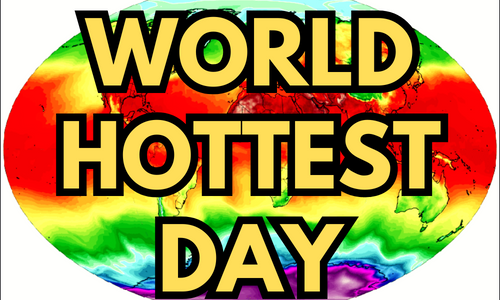
World Hottest Day
The world’s hottest recorded day occurred on July 10, 1913, in Death Valley, California, USA. The temperature reached a scorching 56.7 degrees Celsius (134 degrees Fahrenheit). This extreme heatwave set an astonishing record that still stands to this day.
But on Monday, July 3, The world experienced its hottest recorded day on Monday, July 3. The global average temperature reached an unprecedented level, surpassing all previous records. This extreme heatwave affected various regions across the globe, leading to scorching temperatures and widespread discomfort by reaching 17.01 degrees Celsius (62.62 degrees Fahrenheit). This broke the previous record set in August 2016.
However, this record was short-lived as temperatures climbed even higher on July 4. This extreme heatwave has affected various regions, including the Southern and Western parts of the United States, China, the U.K., Mexico, Northern Africa, India, and others.

The severity of this heatwave has raised concerns about the pressing need to address climate change. Despite the overwhelming scientific consensus, some individuals continue to deny the existence of an environmental emergency. It is crucial to emphasize that 99.9% of peer-reviewed scientific papers agree that human activities, such as pollution emissions, significantly contribute to climate change (as of October 19, 2021).
As it remains uncertain whether breaking this temperature record will spur meaningful actions from politicians and business leaders who have been slow to respond, the gravity of the situation cannot be ignored.
Science is rooted in presenting facts and evidence, and the evidence clearly demonstrates the harmful effects of pollution on human health. Denying these facts is not sustainable in the long run.
The implications of rising global temperatures are substantial, particularly in terms of public health. For instance, the increased frequency of Canadian wildfire smoke due to hotter and drier conditions can lead to more frequent air quality warnings.
Additionally, warmer temperatures create a conducive environment for ticks, which thrive with shorter and milder winters. Ticks transmit diseases like Lyme disease and the Powassan virus. Climate change can also impact the habitats of other disease-carrying organisms, such as mosquitoes and kissing bugs.
Moreover, higher temperatures directly impact human health by exacerbating chronic conditions like respiratory and cardiovascular diseases and increasing the risk of heat stroke. The mental health of individuals can also be adversely affected by the discomfort of feeling hotter.
These examples merely scratch the surface of the far-reaching consequences. Rising temperatures can trigger complex changes in weather systems, resulting in more severe weather patterns with diverse health effects.
As political and business leaders continue to neglect the urgent need to reduce pollution, temperature records are likely to be surpassed in the future. Each passing day, month, and year without sufficient action brings us closer to a point of no return.
Recognizing the urgency and severity of the situation, it is crucial to take decisive measures to address pollution and mitigate the effects of climate change. The extreme heatwave serves as a stark reminder of the need for immediate and concrete actions to combat pollution and safeguard our planet’s future.
Measures to Avoid Severe Global Warming
To mitigate and avoid global warming, several measures are required:
1: Transition to renewable energy: Shifting away from fossil fuels and embracing renewable energy sources like solar, wind, and hydropower can significantly reduce greenhouse gas emissions.
2: Energy efficiency: Promoting energy-efficient technologies and practices in sectors such as transportation, buildings, and industry can help decrease energy consumption and carbon emissions.
3: Sustainable transportation: Encouraging the use of public transport, cycling, and walking, as well as promoting the adoption of electric vehicles, can reduce emissions from the transportation sector.
4: Forest conservation and reforestation: Protecting existing forests and undertaking reforestation initiatives can help absorb carbon dioxide and mitigate its impact on the atmosphere.
5: Sustainable agriculture: Implementing sustainable farming practices, such as precision agriculture, agroforestry, and organic farming, can reduce emissions from agricultural activities and improve soil health.
6: Waste management: Adopting waste reduction, recycling, and proper waste disposal techniques can minimize methane emissions from landfills.
7: Climate policy and international cooperation: Implementing comprehensive climate policies, setting emission reduction targets, and promoting international cooperation are vital for effective global action against climate change.
8: Consumer choices and education: Encouraging individuals to make environmentally conscious choices, such as reducing meat consumption, conserving energy at home, and supporting sustainable products and businesses, can contribute to emission reduction efforts.
9: Research and innovation: Investing in research and development of clean technologies and sustainable solutions can drive advancements in renewable energy, energy storage, and other critical areas.
10: Climate awareness and advocacy: Increasing public awareness about the urgency of climate change and advocating for policy changes and collective action can foster a broader societal commitment to addressing global warming.
By implementing these measures on individual, community, national, and international levels, we can collectively work towards reducing global warming and mitigating its adverse effects on the planet.











LEAVE A COMMENT