
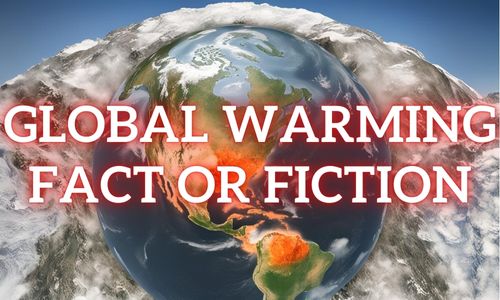
Global Warming – Fact or Fiction
ESSAY OUTLINE
1: Introduction
A. Hook: The debate over global warming has sparked intense discussions worldwide, challenging our understanding of climate change.
B. Context: As climate patterns shift and extreme weather events increase, the urgency to address the phenomenon intensifies.
C. Thesis Statement: Despite skepticism, overwhelming scientific evidence supports the reality of global warming, highlighting the urgent need for collective action to combat its effects.
2: Understanding Global Warming
A. Definition of Global Warming
Explain what global warming is, emphasizing the rise in average global temperatures due to increased greenhouse gas emissions.
B. The Greenhouse Effect
Describe how greenhouse gases trap heat in the atmosphere, leading to a warming planet.
C. Historical Climate Trends
Present historical data showing temperature increases over the past century, illustrating patterns of climate change.
3: Scientific Evidence Supporting Global Warming
A. Climate Models and Predictions
Discuss how climate models predict future warming trends based on current data.
B. Melting Ice Caps and Rising Sea Levels
Present evidence of melting glaciers and polar ice, leading to rising sea levels and the impact on coastal communities.
C. Increased Frequency of Extreme Weather Events
Highlight studies linking global warming to the increased frequency and intensity of hurricanes, droughts, and wildfires.
4: Skepticism and Counterarguments
A. Arguments Against Global Warming
Examine common arguments made by skeptics, such as natural climate variability and questioning scientific consensus.
B. The Role of Misinformation
Discuss how misinformation and political agendas contribute to skepticism about global warming.
C. Scientific Consensus
Present data from credible scientific organizations that confirm the reality of global warming and the consensus among climate scientists.
5: Impacts of Global Warming
A. Environmental Consequences
Explore the effects on ecosystems, biodiversity, and habitats as temperatures rise.
B. Economic Impacts
Discuss the economic consequences of global warming, including damage to infrastructure, agriculture, and increased disaster recovery costs.
C. Social and Health Implications
Address the social implications, such as displacement of communities and health issues arising from heat waves and changing disease patterns.
6: Addressing Global Warming
A. Mitigation Strategies
Outline strategies for reducing greenhouse gas emissions, such as transitioning to renewable energy, enhancing energy efficiency, and promoting sustainable practices.
B. International Agreements
Discuss the role of international agreements like the Paris Agreement in coordinating global efforts to combat climate change.
C. Individual Actions
Encourage personal responsibility by promoting lifestyle changes that individuals can adopt to contribute to combating global warming.
7: Conclusion
A. Restate Thesis: The evidence overwhelmingly supports the reality of global warming as a significant threat to our planet.
B. Summary of Key Points: By understanding the scientific basis for global warming, recognizing its impacts, and exploring actionable solutions, society can effectively respond to this urgent challenge.
C. Closing Thought: As stewards of the Earth, it is our responsibility to acknowledge the facts of global warming and work collaboratively towards a sustainable future for generations to come.
ESSAY
The debate over global warming has sparked intense discussions worldwide, challenging our understanding of climate change. As news headlines frequently report on record-breaking temperatures and devastating natural disasters, the public’s attention has increasingly focused on the pressing issue of climate change. This growing awareness has led to passionate arguments both in favor of and against the reality of global warming, igniting a global conversation about its causes and consequences.
As climate patterns shift and extreme weather events increase, the urgency to address the phenomenon intensifies. Evidence of melting glaciers, rising sea levels, and unprecedented weather phenomena has become impossible to ignore. These changes not only threaten ecosystems but also have far-reaching implications for human health, safety, and economic stability. The overwhelming frequency of droughts, hurricanes, and heatwaves emphasizes that climate change is not merely a future concern; it is an immediate challenge that demands our attention and action.
Despite skepticism, overwhelming scientific evidence supports the reality of global warming, highlighting the urgent need for collective action to combat its effects. Multiple studies from reputable scientific organizations demonstrate a consensus that human activities, particularly the burning of fossil fuels, are driving the increase in global temperatures. Acknowledging this reality is crucial for mobilizing individuals, communities, and governments to implement effective strategies that mitigate the impacts of climate change and foster a sustainable future.
To begin with, global warming refers to the long-term increase in Earth’s average surface temperature due to the accumulation of greenhouse gases in the atmosphere. These gases, primarily carbon dioxide (CO₂), methane (CH₄), and nitrous oxide (N₂O), result from human activities such as burning fossil fuels, deforestation, and industrial processes. As these gases trap heat, they prevent it from escaping back into space, creating a warming effect that poses significant risks to the planet.
Moreover, the greenhouse effect plays a crucial role in understanding global warming. Greenhouse gases function like a blanket around the Earth, absorbing and re-emitting infrared radiation. This process allows sunlight to enter the atmosphere but traps heat, causing the planet to warm. As human activities continue to release these gases in excessive amounts, the natural balance of the greenhouse effect is disrupted, resulting in a more pronounced warming trend that leads to climate instability.
Additionally, examining historical climate trends reveals significant data that underscores the reality of global warming. Over the past century, temperature records demonstrate a clear upward trajectory, with the last few decades experiencing the most rapid increases. For instance, NASA data indicates that global temperatures have risen by approximately 1.2 degrees Celsius since the late 19th century, with 19 of the 20 warmest years on record occurring since 2001. This historical perspective not only illustrates the urgency of addressing climate change but also serves as a warning about the consequences of inaction.
To begin with, climate models play a crucial role in predicting future warming trends based on current data and established scientific principles. These sophisticated simulations use mathematical equations to represent the interactions between various components of the Earth’s climate system, including the atmosphere, oceans, and land surface. By inputting different greenhouse gas emission scenarios, scientists can forecast potential temperature increases and associated impacts over the coming decades. For instance, the Intergovernmental Panel on Climate Change (IPCC) reports consistently show that if current trends continue, we could witness a temperature rise of 1.5 degrees Celsius above pre-industrial levels by as early as 2030, with devastating consequences for ecosystems and human societies.
Moreover, the physical evidence of global warming is evident in the alarming rates of melting ice caps and glaciers. Satellite observations reveal that polar ice sheets in Greenland and Antarctica are losing mass at unprecedented rates, contributing to rising sea levels. According to NASA, the rate of sea level rise has accelerated over the last century, with an increase of about 3.3 millimeters per year since 1993. This rise poses a significant threat to coastal communities around the world, increasing the risk of flooding and erosion, which could displace millions of people and disrupt economies reliant on coastal resources.
In addition, research has established a clear link between global warming and the increased frequency of extreme weather events. Studies published in reputable journals demonstrate that rising global temperatures contribute to the intensity and frequency of hurricanes, droughts, and wildfires. For example, the National Oceanic and Atmospheric Administration (NOAA) highlights that warmer ocean temperatures can lead to more powerful hurricanes, while increased heat and prolonged dry spells exacerbate drought conditions. These extreme weather patterns not only threaten ecosystems but also pose significant challenges to agricultural productivity, water availability, and overall human safety. By acknowledging these connections, we can better understand the urgent need to combat global warming through collective action.
Skepticism regarding global warming often stems from various arguments presented by those who question its validity. One common argument posits that climate change is primarily a result of natural climate variability, suggesting that Earth’s climate has always experienced cycles of warming and cooling. Skeptics may cite historical climate shifts, such as the Medieval Warm Period, to assert that current changes are merely part of a natural pattern rather than the result of human activity. Additionally, some individuals challenge the scientific consensus, arguing that the data supporting global warming is selectively presented or manipulated. By critically examining these viewpoints, it becomes essential to address the underlying misconceptions that fuel skepticism and to clarify the distinction between natural variability and the unprecedented rate of current changes attributed to anthropogenic factors.
Furthermore, misinformation plays a significant role in perpetuating skepticism about global warming. Various political agendas and interest groups often spread false narratives to cast doubt on established scientific findings. For instance, fossil fuel companies may promote misleading information to protect their economic interests, while certain media outlets might amplify sensational claims that undermine public understanding of climate science. This proliferation of misinformation not only confuses the public but also fosters an environment where legitimate scientific discourse is overshadowed by conspiracy theories and unfounded claims. Therefore, combatting misinformation through education and transparent communication is crucial in addressing public skepticism and fostering an informed dialogue about global warming.
In contrast to skepticism, the overwhelming scientific consensus supports the reality of global warming and its human-induced causes. Numerous credible scientific organizations, including the American Association for the Advancement of Science (AAAS) and the National Aeronautics and Space Administration (NASA), have published statements affirming that climate change is real and primarily driven by human activities, such as the burning of fossil fuels and deforestation. For instance, a study published in the journal Environmental Research Letters revealed that 97% of actively publishing climate scientists agree on the anthropogenic nature of climate change. This strong consensus underscores the urgency for action and highlights the need for society to prioritize climate policies based on established scientific evidence rather than divisive rhetoric. By emphasizing the agreement among experts, we can move toward a more unified approach to addressing the challenges posed by global warming.
Global warming significantly impacts ecosystems, biodiversity, and habitats across the planet. As temperatures rise, many species struggle to adapt to the changing climate, leading to shifts in their natural habitats. For example, polar bears face habitat loss as Arctic ice melts, while coral reefs experience bleaching due to elevated ocean temperatures. These changes disrupt entire ecosystems, as species that rely on one another for survival face increased competition and dwindling resources. Moreover, rising temperatures can alter migration patterns, breeding seasons, and food availability, which threatens the delicate balance of ecosystems. Consequently, global warming not only endangers specific species but also jeopardizes the overall health of the planet’s biodiversity.
The economic consequences of global warming are profound and multifaceted. As climate change exacerbates weather extremes, infrastructure faces significant damage from severe storms, flooding, and rising sea levels. For instance, coastal cities are increasingly at risk of flooding, which necessitates costly infrastructure upgrades and disaster recovery efforts. Agriculture also suffers under the strain of changing weather patterns, with crop yields declining due to droughts and unpredictable rainfall. Farmers face challenges in sustaining their livelihoods, which can lead to increased food prices and food insecurity. Additionally, governments allocate more resources to disaster recovery, diverting funds from essential services such as education and healthcare. Thus, the economic repercussions of global warming extend far beyond environmental degradation, affecting livelihoods, food systems, and public infrastructure.
Global warming poses significant social and health implications that affect communities worldwide. Rising temperatures contribute to heat waves, which can lead to heat-related illnesses and exacerbate existing health conditions, particularly among vulnerable populations such as the elderly and those with preexisting health issues. Furthermore, climate change disrupts food and water supplies, leading to malnutrition and foodborne illnesses. As environmental changes displace communities—especially in low-lying coastal areas—people are forced to migrate, creating climate refugees and straining resources in receiving areas. This displacement often results in social tensions, as communities struggle to accommodate newcomers while facing their own challenges related to climate change. Overall, the social and health implications of global warming highlight the urgent need for comprehensive policies that address not only environmental concerns but also the welfare of individuals and communities.
To effectively combat global warming, implementing robust mitigation strategies is essential. Transitioning to renewable energy sources, such as solar, wind, and hydroelectric power, plays a crucial role in reducing greenhouse gas emissions. By investing in clean energy infrastructure, countries can decrease their reliance on fossil fuels, which are the primary contributors to climate change. Additionally, enhancing energy efficiency in buildings, transportation, and industries significantly lowers energy consumption and emissions. For example, adopting energy-efficient appliances and promoting public transportation can lead to substantial reductions in carbon footprints. Furthermore, promoting sustainable practices, such as reforestation and regenerative agriculture, can help sequester carbon dioxide from the atmosphere, thereby mitigating the effects of climate change. Collectively, these strategies not only address the root causes of global warming but also pave the way for a sustainable future.
International agreements play a pivotal role in coordinating global efforts to address climate change. The Paris Agreement, for instance, unites countries in a collective commitment to limit global warming to well below 2 degrees Celsius above pre-industrial levels. Through this framework, nations set nationally determined contributions (NDCs) that outline their plans to reduce emissions and adapt to climate impacts. Additionally, international cooperation fosters technology transfer, enabling developing countries to access clean energy solutions and sustainable practices. By holding countries accountable for their commitments and encouraging transparency, these agreements create a collaborative environment where shared goals can be achieved. As nations come together to tackle this global issue, the importance of strong international partnerships becomes increasingly clear in the fight against climate change.
Encouraging individual responsibility is crucial in the broader effort to combat global warming. Individuals can adopt lifestyle changes that significantly reduce their carbon footprints. Simple actions, such as reducing energy consumption by turning off lights when not in use or choosing energy-efficient appliances, can collectively make a substantial difference. Furthermore, opting for public transportation, biking, or walking instead of driving reduces greenhouse gas emissions from personal vehicles. Additionally, individuals can contribute by supporting sustainable products, reducing waste, and practicing recycling and composting. Engaging in community initiatives, such as tree planting and local clean-up events, also fosters a sense of collective responsibility. By recognizing their power to effect change, individuals can play a vital role in addressing global warming, demonstrating that every action counts in the pursuit of a healthier planet.
In conclusion, the overwhelming evidence from scientific research and observed climate patterns firmly supports the reality of global warming as a significant threat to our planet. The rise in average global temperatures, the increase in extreme weather events, and the alarming rates of ice melt all underscore the urgent need to address this pressing issue.
By understanding the scientific basis for global warming, society can recognize the profound impacts it has on the environment, economy, and public health. From rising sea levels threatening coastal communities to the increased frequency of natural disasters disrupting livelihoods, the consequences of global warming are far-reaching. Additionally, exploring actionable solutions—such as transitioning to renewable energy sources, implementing international agreements, and encouraging individual actions—equips society with the necessary tools to combat climate change effectively. Together, these insights illustrate that a comprehensive response is essential to mitigate the adverse effects of global warming.
As stewards of the Earth, it is our collective responsibility to acknowledge the facts surrounding global warming and to work collaboratively toward a sustainable future for generations to come. By embracing our roles in this global challenge, we can foster a sense of shared purpose and commitment to preserving our planet. Ultimately, taking decisive action today will ensure a healthier, more sustainable environment for all living beings, highlighting the importance of unity and proactive engagement in the face of climate change.











LEAVE A COMMENT