

ICC Champions Trophy
Cricket, often described as a religion in countries like India, Pakistan, and Australia, is marked by iconic tournaments that capture the imagination of fans worldwide. One such prestigious event is the ICC Champions Trophy, which has long been a battleground for the top cricketing nations. Known for its competitive format and high stakes, this tournament is often considered a “mini World Cup.”
But what makes the ICC Champions Trophy so special? Why has it garnered such a passionate fanbase over the years? Let’s dive deep into the history, structure, and importance of this celebrated cricketing event.
History of the ICC Champions Trophy
The Origins and Early Years
The ICC Champions Trophy was first introduced in 1998 as the ICC KnockOut Trophy. Its purpose was simple: to raise funds for the development of cricket in non-traditional cricketing nations. The inaugural edition was held in Dhaka, Bangladesh, and featured a straightforward knockout format. South Africa emerged as the first-ever winners, defeating the West Indies in the final.
Evolution of the Tournament Name and Format
Over the years, the tournament underwent significant changes. It was rebranded as the ICC Champions Trophy in 2002, shifting from a pure knockout format to a mix of group stages and knockouts. This adjustment aimed to give teams more opportunities to prove themselves, ensuring a more exciting and unpredictable competition.
Memorable Moments and Winners Through the Years
The Champions Trophy has witnessed unforgettable matches, from nail-biting finishes to record-breaking performances. India, Australia, and South Africa are among the nations that have lifted the trophy multiple times. One of the most iconic moments was in 2017 when Pakistan clinched their maiden title, defeating arch-rivals India in a dominating performance.
Tournament Structure and Format
Qualification Process for Participating Teams
Unlike the Cricket World Cup, which involves a lengthy qualification process, the ICC Champions Trophy features only the top eight teams in the ICC ODI rankings. This streamlined selection ensures high-quality competition, with every match featuring strong teams and star players.
Group Stage and Knockout Stages Explained
The tournament begins with a group stage, where teams are divided into two groups. Each team plays against every other team in their group, and the top two teams from each group advance to the semi-finals. The winners of the semi-finals face off in a grand finale.
Key Differences from Other ICC Tournaments
While the Cricket World Cup spans several weeks and involves more teams, the ICC Champions Trophy is shorter and more intense. Its compact format leaves no room for error, making every match crucial.
Significance of the ICC Champions Trophy
Impact on the Cricketing Calendar
The ICC Champions Trophy holds a unique spot in the cricketing calendar. Positioned between the World Cup and T20 World Cup, it provides a refreshing break from the lengthy formats of other tournaments.
Role in Promoting ODI Cricket
In an era dominated by T20 cricket, the Champions Trophy has been instrumental in keeping the charm of One Day Internationals (ODIs) alive. It reminds fans of the strategic depth and excitement of the 50-over format.
Contribution to Player Careers and Records
Many legendary cricketers have etched their names in history through stellar performances in the Champions Trophy. For instance, Ricky Ponting, MS Dhoni, and Shahid Afridi have left an indelible mark on this tournament with their extraordinary contributions.
Notable Editions of the ICC Champions Trophy
The 2002 Shared Trophy Between India and Sri Lanka
The 2002 edition will always be remembered for its unusual outcome. Rain played spoilsport in the final between India and Sri Lanka, leading to the trophy being shared. It remains the only ICC event to have joint winners.
Pakistan’s First Win in 2017
Pakistan’s emphatic victory in the 2017 Champions Trophy is a testament to the unpredictability of cricket. Despite being the lowest-ranked team in the tournament, they delivered a spectacular performance in the final, defeating India by a whopping 180 runs.
The Thrilling Final of 2013 Between India and England
The 2013 final between India and England was a classic. In a rain-curtailed match, India managed to defend a modest target of 129 runs, showcasing their bowling prowess under pressure.
Popularity of ICC Champions Trophy
High-Quality Competition With Fewer Teams
Fans appreciate the concentrated quality of the tournament. With only the top eight teams competing, every match feels like a final.
Iconic Performances and Rivalries
The Champions Trophy has been a stage for some of cricket’s most iconic performances, from Chris Gayle’s explosive centuries to Virat Kohli’s consistent run-scoring. It also fuels rivalries, particularly between India and Pakistan.
Exciting Venues and Global Fan Engagement
Over the years, the tournament has been hosted in some of the most iconic cricketing venues, including The Oval, Edgbaston, and Wanderers Stadium. These venues amplify the excitement, drawing fans from all corners of the world.
Challenges Faced by the ICC Champions Trophy
Competition With Other ICC Events
With the growing popularity of the T20 World Cup and the grandeur of the Cricket World Cup, the Champions Trophy often struggles to carve out its niche. Some critics even question its relevance in the crowded cricketing calendar.
Scheduling and Logistical Hurdles
Coordinating a global event with top teams and players is no small feat. Ensuring fair conditions, especially during rain-affected games, has been a persistent challenge for organizers.
The Debate Over Its Relevance in Modern Cricket
As cricket evolves, the ICC faces a tough decision: Should the Champions Trophy continue, or should its format be reimagined? The debate over its relevance remains ongoing.
Future of the ICC Champions Trophy
Plans for Upcoming Editions
The ICC has announced the return of the Champions Trophy in 2025, with Pakistan as the host nation. This marks a significant milestone, as it will be the first ICC event held in Pakistan since 1996.
Potential Changes in Format or Structure
To keep the tournament fresh and appealing, the ICC may consider tweaking its format. Suggestions include expanding the number of teams or incorporating more innovative scheduling.
ICC’s Vision for the Tournament
The ICC envisions the Champions Trophy as a celebration of ODI cricket, providing fans with unforgettable moments and fierce competition. Its continued success will depend on how well it adapts to the changing dynamics of international cricket.
Overview of Previous Editions of ICC Champions Trophy and Their Winners
The ICC Champions Trophy, often regarded as one of cricket’s most prestigious tournaments, has a rich history filled with unforgettable moments, iconic performances, and fierce competition. Since its inception in 1998, the tournament has been a platform for showcasing the best talents in One Day International (ODI) cricket. Below is a comprehensive overview of each edition of the ICC Champions Trophy and its winners.
- ICC KnockOut Trophy 1998 (Dhaka, Bangladesh)
Winner: South Africa
The inaugural edition, originally called the ICC KnockOut Trophy, was held in Dhaka, Bangladesh. It featured a straight knockout format, with no group stages.

South Africa claimed their first ICC trophy by defeating the West Indies in the final. Jacques Kallis was the standout performer, showcasing his all-round brilliance.
- ICC KnockOut Trophy 2000 (Nairobi, Kenya)
Winner: New Zealand
The second edition was held in Nairobi, Kenya, and continued the knockout format.

In a surprising turn of events, New Zealand defeated India in the final to secure their first major ICC title. Chris Cairns’ heroic century in the final was instrumental in the Black Caps’ victory.
- ICC Champions Trophy 2002 (Sri Lanka)
Winners: India and Sri Lanka (Joint Winners)
The 2002 tournament introduced group stages followed by knockouts.

However, rain played spoilsport in the final between India and Sri Lanka, forcing the match to be abandoned twice. As a result, the trophy was shared, marking a unique moment in the tournament’s history.
- ICC Champions Trophy 2004 (England)
Winner: West Indies
The 2004 edition saw the West Indies emerge as champions.
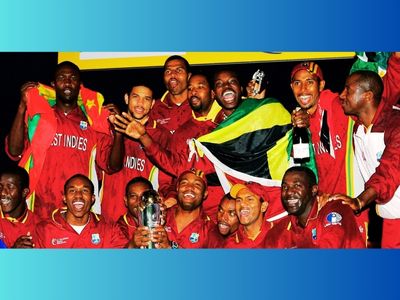
In a thrilling final against England at The Oval, the West Indies chased down 217 runs with two wickets to spare. Courtney Browne and Ian Bradshaw played a crucial partnership to secure the win, giving the West Indies their first ICC title in over two decades.
- ICC Champions Trophy 2006 (India)
Winner: Australia
Held in India, the 2006 edition was dominated by Australia.

Known for their dominance in world cricket, the Aussies claimed their maiden Champions Trophy title by defeating the West Indies in the final. Shane Watson’s all-round performance stood out as he guided his team to victory.
- ICC Champions Trophy 2009 (South Africa)
Winner: Australia
The 2009 tournament, hosted by South Africa, saw Australia successfully defend their title.

They defeated New Zealand in a one-sided final in Centurion. This victory cemented Australia’s reputation as one of the most formidable ODI teams in history.
- ICC Champions Trophy 2013 (England)
Winner: India
After a hiatus in 2011, the tournament returned in 2013, hosted by England.

India, under the captaincy of MS Dhoni, emerged victorious by defeating England in a rain-affected final. The Indian bowling attack, led by Ravindra Jadeja, played a key role in defending a modest total, making India the only team to win the trophy twice.
- ICC Champions Trophy 2017 (England)
Winner: Pakistan
The 2017 edition was a turning point for Pakistan cricket.

Despite entering the tournament as the lowest-ranked team, Pakistan delivered stellar performances throughout, culminating in a stunning victory against arch-rivals India in the final. Fakhar Zaman’s century and Mohammad Amir’s fiery spell with the ball were the highlights of the match.
Summary of ICC Champions Trophy Winners
| Year | Host Nation | Winner | Runner-Up |
| 1998 | Bangladesh | South Africa | West Indies |
| 2000 | Kenya | New Zealand | India |
| 2002 | Sri Lanka | India & Sri Lanka (Joint) | – |
| 2004 | England | West Indies | England |
| 2006 | India | Australia | West Indies |
| 2009 | South Africa | Australia | New Zealand |
| 2013 | England | India | England |
| 2017 | England | Pakistan | India |
| 2025 | Pakistan | India | New Zealand |
Key Highlights of ICC Champions Trophy Events
- Australia’s Dominance: Australia is the only team to have won back-to-back titles (2006 and 2009).
- Shared Trophy: The 2002 edition remains the only instance of an ICC tournament ending with joint winners.
- India and Pakistan’s Rivalry: The 2017 final between India and Pakistan was one of the most-watched cricket matches in history, showcasing the intensity of their rivalry.
The ICC Champions Trophy has had its ups and downs but continues to hold a special place in the cricketing world. Each edition brought its own drama, excitement, and moments of brilliance, leaving fans eagerly anticipating the tournament’s future editions.
The ICC Champions Trophy has carved out a special place in the hearts of cricket fans worldwide. With its rich history, intense competition, and unforgettable moments, it stands as a testament to the enduring appeal of ODI cricket. As the tournament gears up for its next chapter, fans eagerly await another showcase of cricketing brilliance.









LEAVE A COMMENT