
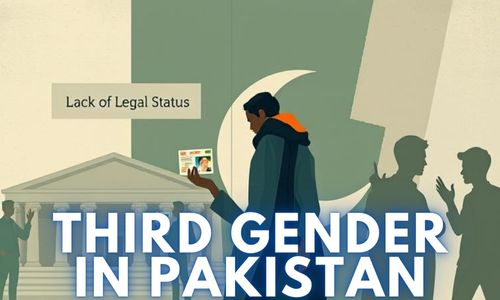
Third Gender in Pakistan
ESSAY OUTLINE
1. Introduction
- Hook: Despite growing global recognition of third gender or transgender identities, Pakistan struggles to fully acknowledge and integrate the third gender within its legal and social frameworks.
- Background Information: Brief overview of the third gender concept, Pakistan’s cultural context, and recent legislative attempts related to transgender rights (e.g., Transgender Protection Act 2018).
- Thesis Statement: Pakistan’s lack of full legal and social status for the third gender stems from deep-rooted social stigma, inadequate legal implementation, political resistance, and limited public awareness, which together hinder the recognition and protection of transgender individuals.
2. Historical and Cultural Context
- A. Traditional recognition of ‘Hijras’ and third gender in South Asian culture
- B. Social attitudes toward third gender individuals in Pakistan
- C. Impact of religious and conservative views on gender identity
3. Legal Framework and Challenges
- A. Overview of existing laws related to transgender rights (Transgender Protection Act 2018)
- B. Gaps between legislation and implementation
- C. Lack of official recognition in vital records and public institutions
- D. Bureaucratic and institutional hurdles faced by transgender individuals
4. Social Stigma and Discrimination
- A. Prevalence of social exclusion, harassment, and violence against third gender people
- B. Impact of stigma on access to education, healthcare, and employment
- C. Role of family rejection and community ostracism
5. Political and Institutional Barriers
- A. Resistance from conservative political groups and religious leaders
- B. Inadequate government commitment to enforcing transgender rights
- C. Lack of awareness and sensitivity among law enforcement and public officials
6. Public Awareness and Advocacy Efforts
- A. Role of NGOs and activists in raising awareness and pushing for rights
- B. Media representation and its influence on public perception
- C. Educational campaigns to combat ignorance and prejudice
7. Pathways Forward
- A. Strengthening legal protections and ensuring implementation
- B. Promoting social acceptance through education and media
- C. Political will and inclusive policies for transgender rights
- D. Support services for education, healthcare, and employment
8. Conclusion
- Restate Thesis: Pakistan’s failure to provide clear legal and social status to the third gender arises from cultural stigma, legal enforcement gaps, political resistance, and low public awareness.
- Call to Action: The country must actively address these challenges through comprehensive reforms and societal change to recognize, protect, and empower the third gender community.
ESSAY
Although many countries around the world have begun recognizing third gender and transgender identities, Pakistan still struggles to fully acknowledge and integrate the third gender within its legal and social systems.
The third gender refers to individuals who do not fit neatly into traditional male or female categories, a concept rooted in South Asian culture through the Hijra community. In Pakistan, transgender people face unique challenges shaped by cultural, religious, and social factors. The government made a significant step by passing the Transgender Protection Act in 2018, which aimed to grant legal recognition and rights to transgender individuals. However, despite this progress, full legal and social integration remains elusive.
Pakistan’s failure to grant full legal and social status to the third gender results from deeply ingrained social stigma, weak enforcement of laws, political opposition, and limited public awareness, all of which prevent the effective recognition and protection of transgender rights.
South Asian societies have historically recognized the existence of a third gender, often represented by the Hijra community. For centuries, Hijras held specific social roles, such as performing at ceremonies and blessings. This cultural acknowledgment provided them with a distinct identity, albeit separate from the binary genders.
In Pakistan, social attitudes toward the third gender remain mixed. While Hijras have long been part of the social fabric, many face widespread discrimination, marginalization, and exclusion. Society often views them through stereotypes and misconceptions, which limits their acceptance and inclusion in everyday life.
Religious and conservative perspectives strongly influence Pakistan’s understanding of gender. Many interpret Islamic teachings in ways that reinforce strict gender binaries and condemn deviations. These views contribute to the stigmatization of transgender individuals and hinder efforts to recognize the third gender as equal members of society.
In 2018, Pakistan passed the Transgender Protection Act, which legally recognizes transgender individuals and grants them rights such as self-identification, protection against discrimination, and access to education, employment, and healthcare. This legislation marked a significant milestone, aiming to provide a legal foundation for transgender rights.
Despite the progressive language of the law, Pakistan struggles to implement these protections effectively. Many government agencies and officials lack awareness or willingness to enforce the law, resulting in transgender people continuing to face discrimination and exclusion in daily life.
Transgender individuals often encounter difficulties when attempting to update their official documents such as national identity cards, passports, and birth certificates to reflect their gender identity. This lack of recognition in vital records hinders their access to government services, voting rights, and social benefits.
Many transgender people face complex bureaucratic processes, harassment, and discrimination within public institutions. They often encounter insensitive attitudes from officials, delays, or outright refusal of services, which further marginalizes them and prevents them from exercising their legal rights.
Society frequently excludes transgender individuals, exposing them to harassment, verbal abuse, and even physical violence. Many third gender people live in constant fear of attacks, which limits their freedom to participate openly in social and public life. This persistent hostility reinforces their marginalization and vulnerability.
Social stigma severely restricts transgender people’s access to essential services like education, healthcare, and employment. Schools often reject or bully transgender students, healthcare providers sometimes deny them proper treatment, and employers frequently refuse to hire them due to prejudice. These barriers trap many third gender individuals in poverty and social isolation.
Family rejection remains one of the most painful challenges for many transgender individuals. When families abandon or disown them, they lose vital emotional and financial support. Communities often ostracize third gender people, forcing them into informal economies or begging, further entrenching their exclusion and hardship.
Conservative political factions and influential religious leaders actively resist recognizing the third gender, often framing transgender rights as contradictory to cultural and religious values. Their opposition influences public opinion and policy, creating significant obstacles to advancing transgender protections and social acceptance.
Although the government has passed laws like the Transgender Protection Act, it frequently fails to commit the necessary resources and political will to enforce these protections. This lack of sustained effort allows discrimination and abuses to continue unchecked, undermining the law’s effectiveness.
Law enforcement officers and public officials often lack training and sensitivity regarding transgender issues. This ignorance results in biased treatment, harassment, and even violence against transgender individuals during interactions with the authorities. Such institutional insensitivity discourages third gender people from seeking legal protection or public services.
Non-governmental organizations and activists actively work to raise public awareness about transgender issues in Pakistan. They organize workshops, legal aid clinics, and campaigns to educate both transgender individuals and the broader society. Through their tireless efforts, these groups push for policy reforms and challenge discriminatory practices.
Media coverage plays a crucial role in shaping public attitudes toward the third gender. Positive and respectful representation of transgender people in television, film, and news helps challenge stereotypes and reduce prejudice. However, sensationalist or negative portrayals continue to fuel misunderstanding and stigma.
Educational initiatives targeting schools, communities, and government institutions promote understanding and acceptance of transgender identities. These campaigns focus on dismantling myths, correcting misinformation, and fostering empathy to create a more inclusive society that respects the rights and dignity of all individuals.
The government must reinforce existing laws like the Transgender Protection Act and take concrete steps to enforce them effectively. This includes training officials, setting clear accountability measures, and creating accessible legal recourse for transgender individuals facing discrimination.
Schools, media outlets, and community programs should actively promote awareness and understanding of transgender identities. By educating the public and highlighting positive stories, these efforts can break down stereotypes and foster greater social inclusion and respect.
Political leaders need to demonstrate genuine commitment to transgender rights by supporting inclusive policies and speaking out against discrimination. Governments should involve transgender representatives in decision-making to ensure that policies address their real needs.
Developing targeted support services will empower transgender individuals to access education, quality healthcare, and fair employment opportunities. Establishing safe spaces, counseling, vocational training, and healthcare programs tailored to their needs can significantly improve their quality of life and social integration.
Pakistan’s failure to grant clear legal and social status to the third gender results from persistent cultural stigma, weak enforcement of existing laws, political resistance, and widespread lack of public awareness. These factors collectively prevent transgender individuals from enjoying their full rights and dignity.
To create a more just and inclusive society, Pakistan must take decisive action to overcome these barriers. The government, civil society, and communities need to work together to implement comprehensive legal reforms, raise awareness, and promote acceptance, thereby ensuring the recognition, protection, and empowerment of the third gender community.








LEAVE A COMMENT