
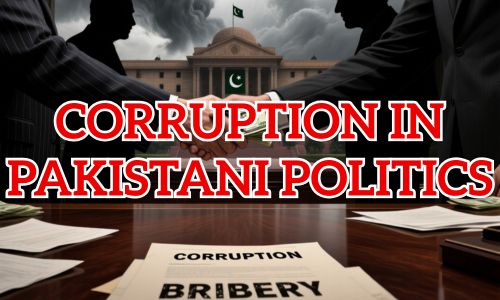
Corruption in Pakistani Politics
Corruption has long plagued Pakistan’s political landscape, undermining democracy, crippling the economy, and eroding public trust in governance. Despite multiple reforms and anti-corruption pledges by successive governments, the issue persists, deeply entrenched in the political, bureaucratic, and institutional fabric of the country. This article explores the root causes, devastating impacts, and effective strategies to curb corruption in Pakistani politics and pave the way for genuine national progress.
Understanding Corruption in the Pakistani Political Context
Corruption in Pakistan is not limited to monetary embezzlement or bribery; it encompasses abuse of power, nepotism, political favoritism, and manipulation of public institutions for personal or party gain. From election rigging and kickbacks in mega projects to the misuse of state resources, corruption has become a normalized component of political culture.
Pakistan ranks consistently low on Transparency International’s Corruption Perceptions Index, indicating how systemic and widespread the problem has become. Corruption thrives where there is weak accountability, politicized institutions, and lack of transparency—all of which characterize Pakistan’s political system.
Historical Roots of Political Corruption
The origins of political corruption in Pakistan date back to its early post-independence years. Poor governance structures, political instability, and military interference created a breeding ground for corrupt practices.
-
Weak Institutional Foundations:
At independence, Pakistan inherited fragile institutions with limited administrative experience. This vacuum was filled by opportunists who prioritized personal enrichment over nation-building. -
Military and Civilian Power Struggles:
Repeated military coups and unstable civilian governments eroded institutional integrity. Each regime, whether military or civilian, accused its predecessor of corruption but often perpetuated similar practices once in power. -
Feudal and Dynastic Politics:
Pakistani politics has long been dominated by feudal elites and dynastic families, who use political authority to protect their economic empires. This concentration of power discourages meritocracy and perpetuates patronage networks. -
Foreign Aid and Mismanagement:
Decades of foreign aid and loans have often been misused, with funds diverted from development projects into private accounts or politically motivated initiatives that serve ruling elites rather than the public.
Major Forms of Corruption in Pakistani Politics
1. Electoral Corruption
Vote buying, manipulation of election results, and misuse of government machinery during elections are rampant. Political parties often influence electoral bodies and exploit state resources to secure victory, undermining democratic legitimacy.
2. Nepotism and Patronage
Appointments in government departments, public corporations, and state enterprises are frequently based on political loyalty rather than competence. This creates inefficiency and fosters resentment among qualified professionals.
3. Misuse of Development Funds
Funds allocated for infrastructure, education, and healthcare projects are often embezzled through inflated contracts, ghost projects, or kickbacks. This deprives citizens of essential services and slows socio-economic progress.
4. Bureaucratic Corruption
Politicians often collude with bureaucrats to manipulate policies, tenders, and public contracts. The bureaucracy becomes an enabler of corruption rather than a guardian of public interest.
5. Judicial and Institutional Corruption
When accountability institutions are politicized, justice becomes selective. The National Accountability Bureau (NAB) and other watchdogs are frequently accused of targeting opponents while protecting those in power.
Consequences of Corruption on Pakistan’s Progress
1. Economic Stagnation
Corruption diverts billions from national development. Investment confidence declines, public projects remain incomplete, and foreign investors hesitate to engage in a non-transparent economic environment. The result is slower GDP growth and rising poverty.
2. Weak Governance
When leaders prioritize personal gain over public service, governance suffers. Essential reforms are delayed, policies are inconsistent, and administrative decisions favor political allies instead of the general public.
3. Loss of Public Trust
Citizens lose faith in political leadership and democratic processes. This erosion of trust often leads to voter apathy, political cynicism, and social unrest.
4. Brain Drain
Corruption discourages merit-based growth, forcing educated and skilled individuals to seek opportunities abroad. The migration of talent further weakens Pakistan’s capacity for innovation and sustainable development.
5. Social Inequality
Corruption widens the gap between the rich and the poor. Public funds that could uplift marginalized communities end up enriching politicians and their cronies, perpetuating a cycle of poverty and dependence.
Notable Corruption Scandals in Pakistan
Over the decades, Pakistan has witnessed numerous corruption scandals that have shaken the nation:
-
Panama Papers Leak (2016): Exposed offshore accounts linked to top political figures, including the then Prime Minister Nawaz Sharif, resulting in his disqualification.
-
Swiss Accounts Case: Involved billions allegedly laundered by political elites into Swiss bank accounts.
-
Rental Power Projects Scandal: Highlighted misuse of public funds through fraudulent energy deals.
-
Toshakhana and Development Fund Cases: Revealed how luxury gifts and public development allocations were exploited for private benefit.
These scandals not only tarnished Pakistan’s global reputation but also reinforced public perceptions of systemic corruption.
Institutional Efforts to Combat Corruption
Pakistan has established several anti-corruption bodies, yet their effectiveness remains questionable due to political interference.
-
National Accountability Bureau (NAB): Tasked with investigating and prosecuting corruption cases but often criticized for selective accountability.
-
Federal Investigation Agency (FIA): Handles financial crimes but lacks resources and autonomy.
-
Anti-Corruption Establishments (ACE): Provincial bodies that struggle with political pressure and bureaucratic constraints.
Despite these institutions, lack of independence, weak enforcement mechanisms, and lengthy judicial processes hinder meaningful outcomes.
Strategies to Eradicate Political Corruption
1. Strengthening Institutions
Independent and transparent institutions are the cornerstone of accountability. The judiciary, election commission, and anti-corruption agencies must operate free from political control.
2. Enforcing Transparency Laws
Mandatory asset declarations, public access to government spending data, and digital governance can reduce opportunities for corruption.
3. Political Reforms
Introducing intra-party democracy and limiting dynastic control can promote merit and reduce political monopolies. Election reforms that ensure transparency in campaign financing are also essential.
4. Empowering Civil Society and Media
An independent media and active civil society play vital roles in exposing corruption. Whistleblower protection laws and investigative journalism should be encouraged and safeguarded.
5. Promoting Ethical Education
Incorporating ethics, civic responsibility, and anti-corruption awareness in the education system can nurture a new generation of honest and accountable citizens.
The Way Forward: Building a Transparent Pakistan
Corruption is not just a moral failure—it is a national crisis that undermines Pakistan’s democratic integrity, economic development, and global credibility. Combating it requires political will, institutional integrity, and citizen participation.
If Pakistan is to progress, it must replace a culture of impunity with a culture of accountability. Transparency, fairness, and justice must become the guiding principles of governance. Only then can the nation realize its true potential and stand as a model of integrity in the developing world.







LEAVE A COMMENT