
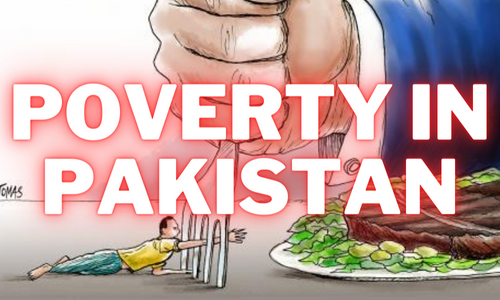
Poverty In Pakistan
OUTLINE
1: Introduction
2: Overview of Poverty in Pakistan
(a) Statistics on poverty in Pakistan
(b) Causes of poverty in Pakistan
(c) Effects of poverty in Pakistan
3: Government Initiatives for Poverty Alleviation
(a) Benazir Income Support Program
(b) Ehsaas Program
(c) Kamyab Jawan Program
4: Non-Governmental Initiatives for Poverty Alleviation
(a) Microfinance programs
(b) Zakat and charity-based programs
(C) Education-based programs
5: Challenges in Alleviating Poverty in Pakistan
6: Conclusion
(a) Recap of the importance of alleviating poverty in Pakistan
(b) Evaluation of the effectiveness of government and non-governmental initiatives
ESSAY
Pakistan is a country with a high poverty rate, estimated for 2023 with almost 37.2% of its population living below the poverty line. The poverty rate in Pakistan is particularly severe in rural areas and among women and children. Poverty not only affects the standard of living of individuals and communities but also contributes to social and economic instability. To combat this issue, the concept of progressive alleviation of poverty has emerged. Progressive alleviation of poverty involves implementing initiatives that provide a sustainable and long-term solution to poverty, rather than just temporary relief. This essay aims to explore the efforts made in Pakistan towards progressive alleviation of poverty, including government and non-governmental initiatives, as well as the challenges faced in achieving this goal. By doing so, we can understand the importance of alleviating poverty in Pakistan and assess the effectiveness of current strategies while suggesting possible future actions.
Pakistan is a country with a high poverty rate, and alleviating poverty is essential for several reasons. Firstly, poverty reduction is crucial for improving the standard of living of individuals and communities. Poverty limits access to basic necessities, such as food, water, and healthcare, and affects the overall quality of life. Poverty also restricts access to education, which creates a vicious cycle of poverty and illiteracy. By alleviating poverty, individuals can access resources that can help them improve their living conditions and provide them with the opportunity to improve their skills and capabilities, which can lead to a better quality of life.
Secondly, poverty reduction is essential for social stability and security. Poverty is linked to crime, violence, and social unrest. In many parts of Pakistan, poverty has resulted in high crime rates, particularly in urban areas. Alleviating poverty can create an environment of stability and security, which can contribute to the overall wellbeing of individuals and communities. Thirdly, poverty reduction is crucial for economic development. Poverty limits access to resources and opportunities, which leads to reduced productivity and economic growth. Poverty also creates an unequal distribution of resources, which hinders economic development. By reducing poverty, individuals can access resources and opportunities that can help them contribute to the economy, leading to sustainable economic growth and development.
Finally, poverty reduction is crucial for achieving sustainable development goals (SDGs). Pakistan has committed to achieving the SDGs, and poverty reduction is a key goal. By reducing poverty, Pakistan can achieve several other goals, such as reducing hunger, improving health and education, and promoting gender equality. Alleviating poverty can also contribute to environmental sustainability by reducing the pressure on natural resources and promoting sustainable consumption and production patterns. In conclusion, alleviating poverty is essential for improving the standard of living of individuals and communities, promoting social stability and security, achieving sustainable economic growth and development, and achieving SDGs. Therefore, it is crucial to continue to invest in initiatives that promote progressive alleviation of poverty in Pakistan.
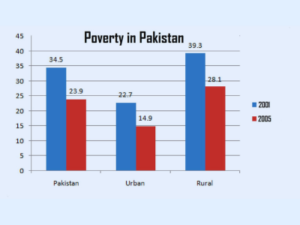
According to the latest report by the Pakistan Bureau of Statistics, the poverty rate in Pakistan stood at 37.2% in 2023. This means that approximately 50 million people in Pakistan are living below the poverty line. The poverty rate is higher in rural areas, where it stands at 30.7%, as compared to urban areas, where it is 16.4%. This highlights the urban-rural divide and the need for initiatives that address poverty in both settings. Furthermore, poverty rates vary by province, with the highest poverty rate in Balochistan at 33.5%, followed by Khyber Pakhtunkhwa at 31.4%. The poverty rate in Punjab is 13.5%, and in Sindh, it is 19.4%. Poverty also disproportionately affects women and children in Pakistan. The poverty rate for women is 28.4%, while for men, it is 21.1%. Moreover, the poverty rate for children under the age of five is 33.3%, which is significantly higher than the overall poverty rate. These statistics illustrate the severity of poverty in Pakistan and highlight the need for concerted efforts to alleviate poverty. It is essential to implement initiatives that target the most vulnerable populations, such as women and children, and those living in rural areas and less developed provinces.

Several factors contribute to the high poverty rate in Pakistan. These factors are often interconnected, creating a vicious cycle that perpetuates poverty. The following are some of the significant causes of poverty in Pakistan. Firstly, economic factors play a significant role in poverty in Pakistan. A lack of job opportunities and low wages make it difficult for individuals and families to make ends meet. The informal sector employs a significant proportion of the labor force, which is often characterized by low pay, job insecurity, and lack of benefits. Furthermore, the unequal distribution of resources and opportunities exacerbates poverty, with the rich getting richer and the poor getting poorer. Secondly, political instability and insecurity also contribute to poverty in Pakistan. Instability and conflict create an environment of uncertainty, which discourages foreign investment, hinders economic growth, and disrupts social services. This makes it difficult for individuals and communities to access basic services such as healthcare, education, and clean water.
Thirdly, poor infrastructure, particularly in rural areas, contributes to poverty in Pakistan. Lack of access to basic infrastructure, such as roads, electricity, and clean water, limits economic opportunities and makes it difficult for individuals and communities to access essential services. Fourthly, natural disasters, particularly floods and earthquakes, exacerbate poverty in Pakistan. These disasters often destroy homes, crops, and infrastructure, leaving individuals and communities without resources. These disasters disproportionately affect the poor, who lack resources to cope with their aftermath. Finally, social factors, such as gender inequality, also contribute to poverty in Pakistan. Women, in particular, face significant barriers to education, employment, and social mobility. This limits their ability to access resources and opportunities, perpetuating the cycle of poverty.
In conclusion, poverty in Pakistan is caused by various factors, including economic, political, social, and environmental factors. Addressing poverty requires a comprehensive approach that addresses these underlying factors. This includes creating economic opportunities, improving infrastructure, promoting political stability, and addressing social issues such as gender inequality.
Poverty in Pakistan has far-reaching effects on individuals, communities, and the country’s overall development. The following are some of the significant effects of poverty in Pakistan. Firstly, poverty affects the physical and mental wellbeing of individuals. Poor nutrition, lack of access to clean water and healthcare, and inadequate living conditions increase the risk of illness and disease. Poverty also affects mental health, with individuals experiencing stress, anxiety, and depression due to financial insecurity. Secondly, poverty limits access to education, perpetuating the cycle of poverty. Children from poor families are more likely to drop out of school, limiting their ability to acquire the skills and knowledge necessary to access better job opportunities. This results in low literacy rates and limited human capital, hindering economic growth and development.
Thirdly, poverty creates an environment of social instability and insecurity. Poverty is linked to crime, violence, and social unrest. In many parts of Pakistan, poverty has resulted in high crime rates, particularly in urban areas. This makes it difficult for individuals and communities to thrive, perpetuating the cycle of poverty. Fourthly, poverty hinders economic growth and development. Poverty limits access to resources and opportunities, which leads to reduced productivity and economic growth. Poverty also creates an unequal distribution of resources, hindering economic development. This creates a vicious cycle of poverty, limiting the country’s ability to achieve sustainable economic growth and development. Finally, poverty affects the environment, leading to unsustainable consumption and production patterns. Poor households are often forced to rely on unsustainable practices, such as cutting down forests for fuel, leading to deforestation and environmental degradation. This affects the country’s natural resources, which are essential for sustainable development. In conclusion, poverty in Pakistan has far-reaching effects on individuals, communities, and the country’s overall development. Addressing poverty requires a comprehensive approach that promotes access to basic necessities, education, and economic opportunities. It is essential to invest in initiatives that promote sustainable development, creating a brighter future for Pakistan’s citizens.
The Pakistani government has launched several initiatives aimed at poverty alleviation. These initiatives range from social safety net programs to job creation and infrastructure development. The following are some of the significant government initiatives for poverty alleviation in Pakistan. Firstly, the Benazir Income Support Program (BISP) is one of the government’s largest initiatives aimed at poverty alleviation.

The program provides cash transfers to the poorest households in the country, enabling them to meet their basic needs and access essential services. Secondly, the Ehsaas Program is a comprehensive social safety net program that aims to reduce poverty and inequality in Pakistan. bThe program includes several initiatives, such as the Kifalat Program, which provides cash transfers to women, and the Langar Program, which provides food to the poor. Thirdly, the Prime Minister’s Youth Entrepreneurship Program is aimed at creating job opportunities for young people.
The program provides training, loans, and mentoring to young entrepreneurs, enabling them to start and grow their businesses. Fourthly, the China-Pakistan Economic Corridor (CPEC) is a massive infrastructure development project aimed at boosting economic growth and development in Pakistan.

The project includes several infrastructure development initiatives, such as the construction of roads, bridges, and power plants, creating job opportunities and boosting economic growth. Finally, the government has launched several initiatives aimed at promoting education and human capital development, such as the Prime Minister’s Education Reforms Program. The program aims to improve the quality of education in the country, promoting human capital development and reducing poverty. In conclusion, the Pakistani government has launched several initiatives aimed at poverty alleviation, ranging from social safety net programs to infrastructure development and job creation initiatives. These initiatives are essential for promoting sustainable economic growth and reducing poverty in the country. It is essential to ensure that these initiatives are effectively implemented, targeting the most vulnerable populations and promoting inclusive growth.
The Benazir Income Support Program (BISP) is one of the largest social safety net programs in Pakistan. The program was launched in 2008 with the aim of reducing poverty and improving the living standards of the poorest households in the country. The BISP provides cash transfers to eligible households, enabling them to meet their basic needs and access essential services. The program is targeted at women, who are often the primary caregivers in households and are more likely to suffer from poverty and social exclusion. The BISP provides regular cash transfers to eligible women, enabling them to meet their basic needs and invest in their families’ wellbeing. The program also includes several initiatives aimed at promoting financial inclusion, such as the provision of interest-free loans and financial literacy training.
Since its launch, the BISP has expanded its coverage, providing cash transfers to millions of households across the country. The program has had a significant impact on poverty reduction in Pakistan, providing a safety net for vulnerable populations and enabling them to access essential services. The program has also promoted gender equality, empowering women and promoting their financial inclusion. However, the program also faces several challenges, such as inadequate coverage and targeting of the most vulnerable populations. The government has acknowledged these challenges and is working to address them, with several initiatives aimed at improving the program’s effectiveness and expanding its coverage. In conclusion, the Benazir Income Support Program is a critical initiative aimed at reducing poverty and improving the living standards of the poorest households in Pakistan. The program has had a significant impact on poverty reduction and gender empowerment, enabling vulnerable populations to access essential services and promoting inclusive growth. However, there is a need to address the program’s challenges and improve its effectiveness to ensure that it reaches the most vulnerable populations and promotes sustainable economic growth.
The Ehsaas Program is a comprehensive social safety net program launched by the Pakistani government in 2019. The program aims to reduce poverty and inequality in the country by providing a range of initiatives targeted at the most vulnerable populations. One of the significant initiatives under the Ehsaas Program is the Kifalat Program, which provides cash transfers to women. The program aims to empower women by providing them with financial resources and promoting their financial inclusion. Under the Kifalat Program, eligible women receive regular cash transfers, along with access to health and education services. Another initiative under the Ehsaas Program is the Langar Program, which provides free food to the poor. The program aims to ensure that no one goes hungry in the country, providing free meals to those in need. The program is targeted at vulnerable populations, such as the homeless, laborers, and the elderly.
The Ehsaas Program also includes several initiatives aimed at improving access to health and education services. The program provides health insurance to the poor, enabling them to access essential healthcare services. The program also includes several initiatives aimed at improving access to education, such as the establishment of schools in rural areas and the provision of scholarships to deserving students. Since its launch, the Ehsaas Program has expanded its coverage, providing a safety net for vulnerable populations across the country. The program has had a significant impact on poverty reduction, enabling vulnerable populations to access essential services and promoting inclusive growth. The program has also promoted gender empowerment, with several initiatives targeted at women’s financial inclusion and access to services. However, the program faces several challenges, such as inadequate coverage and targeting of the most vulnerable populations. The government is working to address these challenges, with several initiatives aimed at improving the program’s effectiveness and expanding its coverage. In conclusion, the Ehsaas Program is a critical initiative aimed at reducing poverty and promoting inclusive growth in Pakistan. The program provides a range of initiatives targeted at the most vulnerable populations, promoting their financial inclusion and access to essential services. However, there is a need to address the program’s challenges and improve its effectiveness to ensure that it reaches the most vulnerable populations and promotes sustainable economic growth.
The Kamyab Jawan Program is an initiative launched by the Pakistani government in 2019 to promote youth entrepreneurship and create employment opportunities. The program aims to provide young people with the skills, resources, and opportunities they need to start their own businesses and contribute to the country’s economic growth. Under the Kamyab Jawan Program, eligible young people can access interest-free loans to start their own businesses.

The program also includes several initiatives aimed at providing training and mentorship to young entrepreneurs, enabling them to develop their skills and grow their businesses. Another significant initiative under the Kamyab Jawan Program is the Youth Entrepreneurship Scheme (YES), which provides funding to young entrepreneurs to start and grow their businesses. Under the YES program, eligible entrepreneurs can access up to Rs. 50 million in financing, enabling them to invest in their businesses and create employment opportunities. The Kamyab Jawan Program also includes several initiatives aimed at promoting skill development and training for young people. The program provides training and certification programs in several sectors, including IT, agriculture, and hospitality. The program also includes several initiatives aimed at promoting internships and apprenticeships, enabling young people to gain practical experience and develop their skills.
Since its launch, the Kamyab Jawan Program has had a significant impact on youth entrepreneurship and employment in Pakistan. The program has enabled thousands of young people to start their own businesses, creating employment opportunities and contributing to the country’s economic growth. The program has also promoted skill development and training, enabling young people to develop their skills and access better employment opportunities. However, the program also faces several challenges, such as inadequate coverage and targeting of the most vulnerable populations. The government is working to address these challenges, with several initiatives aimed at improving the program’s effectiveness and expanding its coverage. In conclusion, the Kamyab Jawan Program is a critical initiative aimed at promoting youth entrepreneurship and creating employment opportunities in Pakistan. The program provides young people with the resources, skills, and opportunities they need to start their own businesses and contribute to the country’s economic growth. However, there is a need to address the program’s challenges and improve its effectiveness to ensure that it reaches the most vulnerable populations and promotes sustainable economic growth.
Non-governmental organizations (NGOs) in Pakistan have been playing a vital role in poverty alleviation efforts in the country. These organizations work in collaboration with the government, civil society, and international partners to design and implement initiatives that address the root causes of poverty and promote sustainable economic growth. One of the significant NGOs working on poverty alleviation in Pakistan is the Akhuwat Foundation.
The organization provides interest-free microfinance to the poor, enabling them to start their own businesses and create employment opportunities. The organization also provides housing and healthcare services to vulnerable populations, promoting their social and economic inclusion. Another significant NGO working on poverty alleviation in Pakistan is the Rural Support Program Network (RSPN). The organization works in rural areas, providing support and resources to vulnerable populations. The organization provides training and skill development programs, enabling people to develop their skills and access better employment opportunities. The organization also provides health and education services to rural communities, promoting their social and economic inclusion.

The Edhi Foundation is another prominent NGO working on poverty alleviation in Pakistan. The organization provides a range of social services, including healthcare, education, and emergency response. The organization is particularly active in disaster response, providing support and resources to vulnerable populations affected by natural disasters and conflicts. Several international NGOs are also active in poverty alleviation efforts in Pakistan.

The Aga Khan Development Network (AKDN), for example, provides support and resources to vulnerable populations across the country. The organization is active in several sectors, including health, education, and economic development. The organization also works to promote cultural and social development, enabling communities to thrive and grow. In conclusion, non-governmental organizations have been playing a critical role in poverty alleviation efforts in Pakistan. These organizations work in collaboration with the government, civil society, and international partners to design and implement initiatives that address the root causes of poverty and promote sustainable economic growth. The work of these organizations has had a significant impact on poverty reduction, promoting social and economic inclusion and enabling vulnerable populations to access essential services and resources.
Microfinance programs are an effective tool for poverty alleviation in Pakistan. These programs provide small loans to people who do not have access to traditional banking services, enabling them to start their own businesses and create employment opportunities. Microfinance programs also provide training and support to entrepreneurs, enabling them to develop their skills and grow their businesses.

One of the most prominent microfinance programs in Pakistan is the Khushhali Microfinance Bank. The bank provides microfinance services to individuals and small businesses across the country. The bank offers a range of financial products, including loans, savings accounts, and insurance. The bank also provides training and support to entrepreneurs, enabling them to develop their skills and grow their businesses.

Another significant microfinance program in Pakistan is the Tameer Microfinance Bank. The bank provides microfinance services to women entrepreneurs, enabling them to start their own businesses and create employment opportunities. The bank offers a range of financial products, including loans, savings accounts, and insurance. The bank also provides training and support to women entrepreneurs, enabling them to develop their skills and grow their businesses.

The First Microfinance Bank is another prominent microfinance program in Pakistan. The bank provides microfinance services to small businesses and individuals across the country. The bank offers a range of financial products, including loans, savings accounts, and insurance. The bank also provides training and support to entrepreneurs, enabling them to develop their skills and grow their businesses.
The Kashf Foundation is another significant microfinance program in Pakistan. The organization provides microfinance services to women entrepreneurs, enabling them to start their own businesses and create employment opportunities. The organization offers a range of financial products, including loans, savings accounts, and insurance. The organization also provides training and support to women entrepreneurs, enabling them to develop their skills and grow their businesses. In conclusion, microfinance programs are an effective tool for poverty alleviation in Pakistan. These programs provide small loans to people who do not have access to traditional banking services, enabling them to start their own businesses and create employment opportunities. Microfinance programs also provide training and support to entrepreneurs, enabling them to develop their skills and grow their businesses. The work of microfinance programs in Pakistan has had a significant impact on poverty reduction, promoting social and economic inclusion and enabling vulnerable populations to access essential services and resources.
Zakat and charity-based programs are significant sources of poverty alleviation in Pakistan. Zakat is an Islamic tax that requires Muslims to donate a portion of their income to the poor and vulnerable. Charity-based programs involve donations from individuals, organizations, and governments to support poverty alleviation efforts in the country. The Zakat and Ushr Department in Pakistan is responsible for collecting and distributing Zakat funds to the poor and vulnerable across the country. The department collects Zakat funds from Muslims and distributes them to deserving recipients, including widows, orphans, and people with disabilities. The department also provides vocational training and support to vulnerable populations, enabling them to develop their skills and access better employment opportunities. Several charity-based programs are also active in poverty alleviation efforts in Pakistan. The Edhi Foundation, for example, provides a range of social services, including healthcare, education, and emergency response. The organization is particularly active in disaster response, providing support and resources to vulnerable populations affected by natural disasters and conflicts. The organization also operates several hospitals and clinics across the country, providing healthcare services to people who cannot afford them.

The Shaukat Khanum Memorial Cancer Hospital and Research Centre is another prominent charity-based program in Pakistan. The organization provides cancer treatment and support to people who cannot afford it. The organization operates two hospitals in Lahore and Peshawar, providing healthcare services to people across the country. The Pakistan Poverty Alleviation Fund is another significant charity-based program in the country. The organization works to support poverty alleviation efforts across the country, providing financial support and resources to vulnerable populations. The organization focuses on empowering women and youth, enabling them to access better employment opportunities and contribute to sustainable economic growth. In conclusion, Zakat and charity-based programs are significant sources of poverty alleviation in Pakistan. These programs provide financial support and resources to vulnerable populations, enabling them to access essential services and resources. The work of these programs has had a significant impact on poverty reduction in the country, promoting social and economic inclusion and enabling vulnerable populations to access better employment opportunities and resources.
Education-based programs are essential tools for poverty alleviation in Pakistan. These programs aim to increase access to education and improve the quality of education across the country, enabling vulnerable populations to access better employment opportunities and resources. The Pakistan Education Task Force is a prominent education-based program in the country. The program aims to increase access to education and improve the quality of education across the country. The program focuses on providing education opportunities to vulnerable populations, including children from low-income households, girls, and children with disabilities. The program also works to improve the quality of teaching and learning in schools, enabling students to develop their skills and knowledge. The Pakistan Reading Project is another prominent education-based program in the country. The program aims to improve reading skills among primary school students across the country. The program provides training and support to teachers, enabling them to develop their teaching skills and improve their students’ reading abilities. The program also provides reading materials and resources to schools, enabling students to access better learning opportunities.
The Primary Education Project is another significant education-based program in Pakistan. The program aims to increase access to education among vulnerable populations, including girls and children from low-income households. The program provides financial support to families, enabling them to send their children to school. The program also works to improve the quality of teaching and learning in schools, enabling students to develop their skills and knowledge. The Punjab Education Foundation is another prominent education-based program in Pakistan. The organization works to improve access to education and improve the quality of education across the province of Punjab. The organization provides financial support to families, enabling them to send their children to school. The organization also provides teacher training and support, enabling teachers to develop their teaching skills and improve their students’ learning outcomes. In conclusion, education-based programs are essential tools for poverty alleviation in Pakistan. These programs aim to increase access to education and improve the quality of education across the country, enabling vulnerable populations to access better employment opportunities and resources. The work of these programs has had a significant impact on poverty reduction in the country, promoting social and economic inclusion and enabling vulnerable populations to access better education opportunities and resources.
Alleviating poverty in Pakistan is a challenging task due to several factors, including political instability, economic uncertainty, and social inequality. Here are some of the major challenges faced in poverty alleviation efforts in Pakistan:
1: Lack of resources: One of the significant challenges in poverty alleviation efforts in Pakistan is a lack of resources. The government often lacks the necessary funds to invest in poverty alleviation programs, and even when they do, corruption and mismanagement can lead to the funds not reaching the intended recipients.
2: Political instability: Political instability is another significant challenge in poverty alleviation efforts in Pakistan. Frequent changes in the government can lead to instability and disrupt ongoing poverty alleviation programs. Political instability can also result in a lack of government focus on poverty reduction efforts.
3: Limited access to education: Limited access to education is a significant barrier to poverty reduction in Pakistan. Children from low-income households often do not have access to quality education, limiting their employment opportunities and potential for social mobility.
4: Social inequality: Social inequality is a significant challenge to poverty reduction in Pakistan. Women and marginalized communities often face discrimination and limited access to resources, which can lead to poverty. Addressing social inequality is a crucial step in poverty alleviation efforts.
5: Security challenges: Security challenges in Pakistan can also hinder poverty alleviation efforts. The country faces a significant threat from terrorism and extremist groups, which can lead to a disruption in poverty reduction programs.
6: Population growth: Pakistan has a rapidly growing population, which can make poverty alleviation efforts more challenging. A growing population puts pressure on resources, making it more difficult to lift people out of poverty.
In conclusion, poverty alleviation in Pakistan is a challenging task due to several factors. Addressing these challenges requires a sustained and coordinated effort from the government, civil society, and international community. By addressing these challenges, Pakistan can make significant progress in reducing poverty and promoting social and economic inclusion.
Alleviating poverty in Pakistan requires a concerted effort from the government, civil society, and international community. Here are some suggestions that can help alleviate poverty in Pakistan:
1: Increase access to education: Improving access to education can help reduce poverty in Pakistan. The government should prioritize investment in education to ensure that all children, regardless of their socioeconomic status, have access to quality education. This can help break the cycle of poverty and improve employment opportunities for vulnerable populations.
2: Create more job opportunities: Creating more job opportunities can help alleviate poverty in Pakistan. The government should focus on attracting foreign investment and promoting entrepreneurship to create more job opportunities. This can help reduce unemployment rates and increase incomes for vulnerable populations.
3: Improve healthcare: Improving access to healthcare can also help alleviate poverty in Pakistan. The government should invest in healthcare infrastructure and programs that provide affordable healthcare to vulnerable populations. This can help reduce healthcare expenses for low-income households, enabling them to invest their resources in other areas.
4: Increase social protection programs: Increasing social protection programs can also help alleviate poverty in Pakistan. The government should prioritize investment in social protection programs that provide financial support to vulnerable populations, including children, women, and the elderly. This can help reduce the impact of economic shocks on vulnerable populations and promote social and economic inclusion.
5: Address corruption: Addressing corruption is crucial to poverty alleviation efforts in Pakistan. Corruption undermines poverty alleviation programs by diverting resources away from their intended recipients. The government should prioritize efforts to address corruption, including implementing transparency and accountability measures.
6: Strengthen civil society: Strengthening civil society is also essential for poverty alleviation efforts in Pakistan. Civil society organizations can help fill gaps in government programs by providing support and resources to vulnerable populations. The government should prioritize building partnerships with civil society organizations to promote poverty reduction efforts.
In conclusion, alleviating poverty in Pakistan requires a sustained and coordinated effort from the government, civil society, and international community. By implementing these suggestions, Pakistan can make significant progress in reducing poverty and promoting social and economic inclusion.
Alleviating poverty in Pakistan is crucial for several reasons. Poverty in Pakistan has significant social, economic, and political consequences. It contributes to social inequality, exacerbates health disparities, and limits economic opportunities. Poverty also increases the vulnerability of communities to natural disasters and other shocks. Therefore, poverty alleviation is essential for promoting social and economic inclusion, reducing inequality, and promoting sustainable economic growth. The government of Pakistan has implemented several poverty alleviation programs, including the Benazir Income Support Program, Ehsaas Program, and Kamyab Jawan Program, among others.
Additionally, non-governmental organizations and microfinance programs have also contributed to poverty reduction efforts in Pakistan. However, several challenges, including limited resources, political instability, social inequality, and security challenges, hinder poverty alleviation efforts. To overcome these challenges, Pakistan needs a sustained and coordinated effort from the government, civil society, and international community. By addressing these challenges and implementing effective poverty reduction strategies, Pakistan can make significant progress in reducing poverty and promoting social and economic inclusion.
In conclusion, poverty is a significant challenge in Pakistan, and its consequences are severe. Poverty exacerbates social inequality, limits economic opportunities, and contributes to health disparities. However, the government of Pakistan, non-governmental organizations, and microfinance programs have implemented several poverty alleviation programs that have made a significant impact on reducing poverty in the country. These initiatives, such as the Benazir Income Support Program, Ehsaas Program, and Kamyab Jawan Program, among others, have contributed to promoting social and economic inclusion, reducing inequality, and promoting sustainable economic growth. Despite the progress made, challenges, such as limited resources, political instability, social inequality, and security challenges, remain obstacles to effective poverty reduction. To overcome these challenges, Pakistan needs sustained and coordinated efforts from the government, civil society, and the international community.
The government and non-governmental initiatives have had mixed success in reducing poverty. The effectiveness of these initiatives varies, and there is a need for better implementation, targeting, and sustainability to ensure long-term success. Therefore, there is a need for increased investment in education, job creation, healthcare, and social protection to promote sustainable poverty reduction. In conclusion, addressing poverty in Pakistan requires a comprehensive approach that involves all stakeholders and a sustained effort. By addressing these challenges and implementing effective poverty reduction strategies, Pakistan can make significant progress in reducing poverty and promoting social and economic inclusion.











LEAVE A COMMENT