
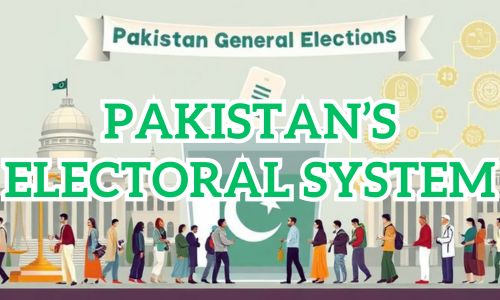
Pakistan’s Electoral System
Pakistan operates under a parliamentary democracy where general elections are held to elect members of the National Assembly (NA) and Provincial Assemblies. The electoral process is overseen by the Election Commission of Pakistan (ECP), an independent constitutional body responsible for ensuring fair and transparent elections.
The system primarily uses the first-past-the-post voting method for general seats, supplemented by reserved seats for women and religious minorities through proportional representation based on party position in general elections.
Strengths of Pakistan’s Electoral System
Constitutional Framework and Legal Mechanisms
Pakistan’s electoral system is built upon strong constitutional and legal structures, such as:
-
Articles 218–221 of the Constitution which establish the ECP’s role.
-
Election Act 2017, consolidating electoral laws and regulations.
-
Automatic Voter Registration Integration with NADRA databases, ensuring a clean and digitized voter roll.
Independent Election Commission
The ECP’s autonomy, with powers to supervise and conduct elections, offers a key institutional safeguard. It can:
-
Disqualify candidates violating election laws.
-
Order re-elections or recounts in case of disputes.
-
Monitor election expenditures and campaigning ethics.
Technological Advancements
In recent years, Pakistan has embraced technological tools, including:
-
Geotagging of polling stations
-
Real-time Result Transmission System (RTS) for prompt election results
-
Biometric Voter Verification System (BVVS) in pilot programs
Weaknesses of Pakistan’s Electoral System
Prevalence of Rigging Allegations
Despite reforms, almost every general election in Pakistan has been marred by allegations of rigging, including:
-
Ballot stuffing
-
Manipulation of RTS
-
Coercion of electoral officials and candidates
Weak Political Parties and Internal Democracy
Most political parties in Pakistan lack internal democracy, resulting in:
-
Centralized leadership control
-
Lack of merit-based nominations
-
Patronage-based ticket distribution
This weakens the democratic essence of elections and contributes to elite capture.
Voter Disenfranchisement and Turnout Issues
Several issues continue to disenfranchise large voter segments:
-
Displacement due to conflict or natural disasters
-
Gender disparity in voter registration
-
Limited accessibility for people with disabilities
Judicial and Military Influence
The judiciary and military have been accused of intervening in electoral matters, influencing the outcomes by:
-
Favoring specific political parties
-
Engineering results through judicial activism
-
Pressurizing candidates and manipulating media narratives
Case Studies: General Elections from 2008 to 2024
2008 General Elections – A Transitional Moment
Following the assassination of Benazir Bhutto, the 2008 elections were pivotal. Despite delays, they marked:
-
A return to democratic rule after Musharraf’s military regime
-
Victory for the Pakistan Peoples Party (PPP)
-
A generally peaceful process, though Balochistan boycotted the elections
Weaknesses: Low voter turnout (~44%), violence in certain regions, weak monitoring mechanisms.
2013 General Elections – Historic Civilian Transition
The 2013 elections were celebrated for facilitating the first democratic transition of power from one elected government to another.
-
PML-N, led by Nawaz Sharif, secured a majority.
-
Over 60% voter turnout, the highest since 1970.
Weaknesses: Accusations of pre-poll rigging, misuse of state resources, and manipulation in Punjab provinces.
2018 General Elections – RTS Collapse and Military Overhang
The 2018 elections brought Pakistan Tehreek-e-Insaf (PTI) and Imran Khan to power. Key highlights include:
-
Rise of social media-driven campaigns.
-
Collapse of the Result Transmission System (RTS), causing delays and suspicions.
Weaknesses: Alleged military involvement in influencing results, widespread complaints of polling agents being removed, and judiciary playing an unusual role in disqualifying key political figures.
2024 General Elections – Disruption and Deep Polarization
The 2024 elections were the most polarized in recent memory. Key developments:
-
Widespread internet and mobile service shutdowns on election day.
-
Arrests and disqualifications of major PTI leaders.
-
Introduction of electronic voting machines (EVMs) in select constituencies, though marred by controversy and lack of transparency.
Strengths: Use of technology, higher voter engagement through digital platforms.
Weaknesses: Suppression of opposition, interference in media coverage, and delay in result announcements fueling fraud allegations.
Needed Reforms for a Credible Electoral Future
Strengthening the Election Commission of Pakistan
The ECP must be empowered through:
-
Financial independence
-
Transparent appointment process
-
Protection against external influences
Ensuring Transparent Use of Technology
Pakistan must invest in secure digital infrastructure for electoral processes:
-
Nationwide rollout of EVMs with independent audits
-
Use of blockchain for real-time result transparency
-
Training polling staff in technology use
Enabling Fair Political Competition
Laws should be enforced to:
-
Guarantee equal media coverage for all parties
-
Cap campaign spending and audit finances
-
Disband influence from intelligence or law enforcement agencies
Increasing Voter Participation
Strategies to boost turnout include:
-
Mobile registration drives in rural areas
-
Reserved days off for voting
-
Greater inclusion of women and marginalized communities
Enhancing Internal Democracy in Political Parties
The Election Act should mandate:
-
Regular intra-party elections
-
Public disclosure of party funding and candidates
-
Measures to promote youth and female participation
Pakistan’s electoral system stands at a critical juncture. Recurring controversies, institutional overreach, and limited transparency undermine the system, even though it rests on a constitutionally robust foundation and benefits from technological evolution. For democratic legitimacy to thrive, the country must prioritize electoral reforms, ensure independent oversight, and embrace inclusive political participation.
If Pakistan implements these changes, it can reclaim the integrity and trust that its elections desperately need.










LEAVE A COMMENT