
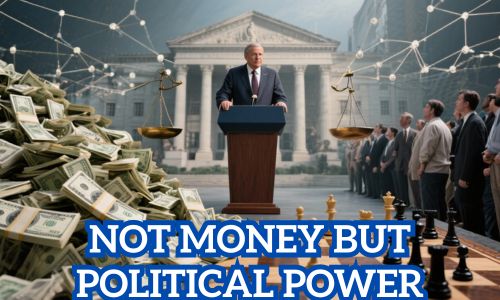
Not Money But Political Power
ESSAY OUTLINE
1. Introduction
- Opening Thought: Introduce the debate on the roles of politics and economy in determining a nation’s or individual’s success.
- Context: Explain that while economic strength is important, political influence often drives major decisions, resource allocation, and national development.
- Thesis Statement: Politics, more than the economy, serves as the key to success because it shapes policies, mobilizes resources, and establishes stability that enables sustainable growth.
2. Understanding the Role of Politics
- Definition and Scope: Explain politics as the system of governance, decision-making, and influence over societal direction.
- Political Influence on Development: Discuss how effective leadership, governance, and policies determine a country’s progress.
- Politics as a Tool for Resource Allocation: Show how political decisions prioritize sectors, attract investment, and create opportunities.
3. Limitations of Solely Economic Focus
- Economic Strength Without Political Stability:
- Highlight examples where wealthy nations struggled due to political corruption or instability.
- Inequality and Mismanagement:
- Show how economic resources alone cannot guarantee fair distribution or social welfare.
- Dependency on Political Decisions:
- Explain how trade agreements, regulations, and international relations are politically determined.
4. Evidence of Politics Driving Success
- Historical Examples:
- Cite nations that achieved rapid development through strong political leadership despite limited initial resources.
- Influence on International Relations:
- Explain how diplomacy and political alliances shape economic opportunities.
- Policy-Making and Long-Term Growth:
- Show how strategic political decisions create sustainable growth environments.
5. Counterarguments: Importance of Economy
- Recognize that economic resources support development, provide infrastructure, and improve living standards.
- Discuss how political success alone may fail without a functional economy.
6. Conclusion
- Restate Thesis: Politics plays a decisive role in determining success, often guiding and enhancing economic potential.
- Summarize Key Points: Leadership, governance, policy-making, and political stability enable nations and individuals to thrive.
- Final Thought: While economy is important, political acumen and strategic governance remain the ultimate key to sustainable success.
ESSAY
The roles of politics and economy in achieving success have long been debated by scholars, policymakers, and historians. While many emphasize economic strength as the primary measure of progress, political influence often determines how resources are used, policies are implemented, and opportunities are created. Understanding the interplay between politics and economy is crucial to evaluating what truly drives success at both national and individual levels.
Economic growth provides nations with wealth, infrastructure, and technological advancement, but without effective political leadership, these resources may be mismanaged or wasted. Political decisions shape taxation, trade, investment, and social programs, directly influencing how economic potential translates into real development. In many cases, countries with moderate economic resources have achieved remarkable success through strong governance and strategic political action, demonstrating the overriding influence of politics.
Politics, more than the economy, serves as the key to lasting success because it establishes policies, mobilizes resources efficiently, and ensures stability that supports sustainable growth. While economic strength contributes to development, political vision and leadership determine whether a nation or individual can translate opportunities into tangible achievements. By prioritizing strategic governance, societies can create the conditions for enduring progress and prosperity.
Politics refers to the system of governance, decision-making, and influence that shapes the direction of a society. It encompasses the creation and enforcement of laws, the management of public institutions, and the negotiation of power among leaders and citizens. By guiding social, economic, and cultural priorities, politics determines how a nation organizes itself and addresses challenges.
Effective political leadership directly drives a country’s progress by implementing sound policies, maintaining stability, and fostering accountability. Leaders who prioritize education, infrastructure, healthcare, and innovation can accelerate development even in resource-limited environments. Political decisions shape long-term strategies, ensuring that growth is sustainable and inclusive, rather than sporadic or unequal.
Political systems determine how resources are distributed and utilized, impacting economic growth and social welfare. Governments allocate budgets to key sectors, attract domestic and foreign investment, and create opportunities for businesses and individuals. Strategic political decisions can encourage entrepreneurship, reduce poverty, and enhance productivity, demonstrating that success depends not only on economic wealth but also on the way political authority channels and manages resources.
Countries may possess abundant economic resources, but political corruption or instability can prevent these assets from generating meaningful progress. For example, nations rich in natural resources sometimes fail to achieve social development due to mismanagement, authoritarian regimes, or weak governance. Without stable political institutions, wealth cannot translate into sustainable growth, and economic potential remains underutilized.
Economic resources alone cannot ensure fair distribution or social welfare. Even wealthy nations can experience stark income inequality, poverty, and lack of access to essential services if political systems fail to enforce equitable policies. Political leadership determines how wealth is shared, which sectors receive investment, and how social programs are implemented, highlighting that economic abundance is insufficient without governance.
Trade agreements, regulatory frameworks, and international relations are all determined by political action. Economic opportunities often depend on government negotiations, policy enforcement, and strategic diplomacy. For instance, foreign investment, tariffs, and global partnerships are shaped by political decisions rather than economic strength alone. This demonstrates that economic success is inseparable from the political environment that enables or restricts growth.
Several nations have achieved rapid development through strong political leadership, even when they started with limited economic resources. For instance, countries like South Korea and Singapore leveraged visionary governance, strategic planning, and effective institutions to transform their economies and societies. These examples demonstrate that political acumen and leadership can overcome initial economic limitations and set the stage for sustained success.
Diplomacy and political alliances play a crucial role in shaping economic opportunities. Governments negotiate trade deals, secure foreign investments, and establish partnerships that stimulate growth. Strong political relations can open markets, attract technology, and foster collaboration, while weak diplomacy can isolate a nation, regardless of its economic potential. Politics, therefore, directly determines the scope and quality of international economic engagement.
Strategic political decisions create environments that encourage sustainable growth. Governments set policies on taxation, education, infrastructure, and industry regulation that influence productivity and innovation. For example, incentives for research and development, investment in human capital, and regulatory reforms can boost long-term economic performance. By prioritizing effective policy-making, political leadership ensures that growth is stable, inclusive, and resilient against external shocks.
Economic strength provides the foundation for development by funding infrastructure, healthcare, education, and social programs. Nations with abundant resources can invest in roads, technology, and public services that improve citizens’ quality of life. Without a solid economic base, even the most effective political decisions may struggle to achieve tangible results, highlighting that wealth plays a supporting role in national success.
Political leadership can set policies, provide stability, and guide development, but without a functioning economy, these efforts may falter. A government may have vision and authority, yet insufficient financial resources, low industrial output, or poor market conditions can hinder progress. This shows that while politics drives strategy, economic capability is necessary to implement plans effectively and sustain long-term growth.
Politics plays a decisive role in achieving success by guiding resources, shaping policies, and creating stability that enhances economic potential. Strong political leadership and effective governance allow nations and individuals to translate opportunities into meaningful progress. While economic strength provides tools, political action determines how those tools are used to achieve lasting results.
Leadership, governance, and policy-making directly influence development by allocating resources, fostering innovation, and maintaining social and economic order. Political stability ensures that strategies are implemented effectively, and nations or individuals can thrive in a secure and predictable environment. The combination of strategic decision-making and governance creates conditions in which economic potential can be fully realized.
While a strong economy is important for growth, political acumen and strategic governance remain the ultimate keys to sustainable success. Nations and individuals that prioritize wise, ethical, and visionary political leadership are more likely to achieve long-term prosperity. In essence, politics directs the course of success, turning potential into achievement and ensuring progress endures over time.









LEAVE A COMMENT