
Importance of Iran
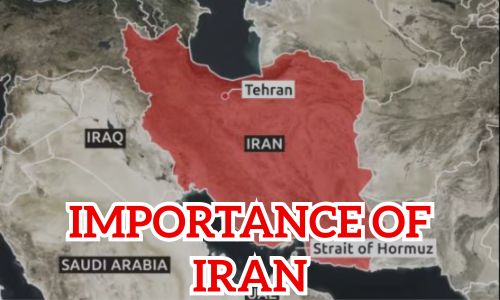
Iran occupies a position on the world map that feels almost deliberately engineered for influence. Sitting at the crossroads of Central Asia, the Middle East, and South Asia, the country functions as a natural bridge connecting major economic and political regions. When we examine global trade routes and military logistics, Iran emerges as a central node rather than a peripheral player. Its terrain stretches from rugged mountain ranges to vast deserts, creating both natural defenses and strategic vantage points that have shaped its historical resilience.
We cannot overlook how geography dictates power. Iran’s borders touch key countries such as Iraq, Turkey, Afghanistan, and Pakistan, each representing unique geopolitical dynamics. This proximity allows Iran to exert influence across multiple theaters simultaneously. Whether it is energy transport, regional diplomacy, or security operations, Iran’s location gives it leverage that few nations can match.
Another layer of importance lies in its access to both the Caspian Sea and the Persian Gulf, enabling Iran to operate in two distinct maritime zones. This dual access amplifies its strategic flexibility, allowing it to engage in trade, naval operations, and energy exports with remarkable efficiency. In a world increasingly defined by connectivity and resource competition, Iran’s geography is not just an advantage—it is a cornerstone of its global relevance.
Control Over the Strait of Hormuz
The Strait of Hormuz is often described as the world’s most critical oil chokepoint, and Iran sits right beside it like a gatekeeper. Roughly 20% of the global oil supply passes through this narrow waterway daily, making it indispensable to the functioning of the global economy. When we analyze global energy security, the Strait of Hormuz consistently emerges as a focal point, and Iran’s proximity grants it unparalleled strategic influence.
Iran’s ability to potentially disrupt or control traffic through the strait gives it a powerful bargaining chip in international relations. Even the mere threat of disruption can send shockwaves through global markets, causing oil prices to spike and economic uncertainty to ripple across continents. This is not just theoretical—history has shown that tensions in the region often lead to immediate market reactions.
From a military standpoint, Iran has invested heavily in asymmetric naval capabilities tailored specifically for operations in the Strait of Hormuz. Fast attack boats, mines, and missile systems create a layered defense strategy that complicates any attempt to challenge its control. This approach allows Iran to maximize its influence without needing a traditional blue-water navy.
We must recognize that control over such a vital artery of global trade elevates Iran from a regional power to a global strategic actor. Its position near the Strait of Hormuz ensures that it remains central to discussions about energy security, international trade, and geopolitical stability.
Impact on Global Oil Supply Chains
The global oil supply chain operates like a finely tuned machine, and Iran sits at one of its most sensitive pressure points. Any disruption in or around Iranian waters can trigger immediate and far-reaching consequences. When oil tankers hesitate or reroute, shipping costs rise, insurance premiums surge, and ultimately, consumers worldwide feel the impact at the pump.
Iran’s influence extends beyond mere geography. Its policies, alliances, and conflicts all play a role in shaping how oil flows across the globe. For instance, during periods of heightened tension, we often see a tightening of supply expectations, which in turn drives up prices. This dynamic underscores how deeply intertwined Iran is with the global economy.
Another critical factor is Iran’s own oil production capacity. Despite facing sanctions, the country remains one of the largest holders of proven oil reserves, giving it the potential to significantly alter supply levels if restrictions are eased. This latent capacity acts as a strategic reserve that global markets continuously monitor.
We also observe how multinational corporations and governments factor Iran into their long-term energy strategies. Decisions about pipeline routes, alternative energy investments, and strategic reserves are often influenced by the stability—or instability—of the region. In this sense, Iran’s role in global oil supply chains is both direct and indirect, shaping not just current markets but future energy policies as well.
Iran’s Energy Resources and Economic Leverage
Iran’s strategic weight is deeply amplified by its vast and diverse energy resources, which place it among the most resource-rich nations on Earth. When we assess global energy maps, Iran consistently ranks within the top tier for both oil and natural gas reserves. This dual strength provides not only economic potential but also significant geopolitical leverage. Energy is not just a commodity—it is influence, negotiation power, and, at times, a tool of resistance.
We see how Iran’s energy sector shapes its interactions with the world. Despite years of sanctions and external pressure, the country has maintained a resilient energy infrastructure capable of scaling production when opportunities arise. This resilience sends a clear message: Iran cannot be easily sidelined in global energy discussions. Its ability to re-enter markets quickly makes it a constant variable in pricing strategies and supply calculations.
Another dimension lies in how energy revenues underpin Iran’s domestic stability and foreign policy. Oil and gas exports, even when restricted, fund critical sectors of the economy and enable the country to sustain its regional influence. This creates a feedback loop where energy resources fuel geopolitical ambitions, and geopolitical positioning protects energy interests.
In a world increasingly transitioning toward renewables, Iran’s hydrocarbon wealth still ensures its relevance for decades to come. The global economy remains heavily dependent on fossil fuels, and nations like Iran will continue to shape that dependency. This enduring importance guarantees that Iran’s economic leverage will remain a central theme in global geopolitics.
Oil Reserves and Production Power
Iran holds some of the largest proven oil reserves globally, positioning it as a cornerstone of the international energy system. Estimates suggest that Iran possesses nearly 10% of the world’s total oil reserves, a figure that immediately commands attention in any energy-related discussion. This immense reserve base provides the country with long-term strategic security and bargaining power.
Production capacity is where the narrative becomes even more compelling. While sanctions have periodically constrained output, Iran has repeatedly demonstrated its ability to ramp up production swiftly when restrictions are lifted. This capacity to surge production acts as a stabilizing—or destabilizing—force in global markets, depending on the geopolitical context.
We also recognize how Iran’s oil industry is deeply intertwined with global infrastructure. Refineries, shipping routes, and international partnerships have historically depended on Iranian crude. Even when political tensions rise, the technical and economic importance of Iranian oil remains undeniable.
What makes Iran particularly influential is not just the volume of its reserves but the cost-effectiveness of extraction. Compared to more complex oil fields elsewhere, many of Iran’s reserves are relatively accessible, allowing for competitive production costs. This gives Iran a potential edge in price-sensitive markets, especially during periods of global economic uncertainty.
Ultimately, Iran’s oil reserves are more than just an economic asset—they are a strategic instrument that shapes alliances, influences negotiations, and impacts global stability.
Natural Gas Dominance and Export Potential
While oil often dominates headlines, Iran’s natural gas reserves may be even more strategically significant. The country holds the second-largest natural gas reserves in the world, trailing only Russia. This immense resource base positions Iran as a potential powerhouse in the evolving global energy landscape, particularly as countries seek cleaner alternatives to coal and oil.
Natural gas offers Iran an opportunity to diversify its energy exports and expand its influence beyond traditional oil markets. Projects involving pipelines to neighboring countries and potential liquefied natural gas (LNG) exports highlight the untapped potential within this sector. If fully developed, Iran could become a major supplier to energy-hungry regions across Asia and Europe.
We must also consider how natural gas fits into the broader geopolitical puzzle. As nations prioritize energy security, reliable gas supplies become increasingly valuable. Iran’s reserves could play a pivotal role in reducing dependence on other major suppliers, thereby reshaping global energy alliances.
However, challenges remain. Infrastructure limitations, investment constraints, and geopolitical tensions have slowed the full realization of Iran’s gas potential. Yet, these obstacles do not diminish the strategic importance of the resource itself. Instead, they highlight the latent power Iran holds—power that could be activated under the right conditions.
In the long term, natural gas may prove to be Iran’s most influential asset, offering a pathway to sustained economic growth and enhanced geopolitical relevance.
Iran’s Role in Middle Eastern Politics
Iran’s influence in the Middle East extends far beyond its borders, shaping the political landscape of the region in profound ways. We observe how Iran operates not merely as a nation-state but as a regional power broker, actively engaging in conflicts, alliances, and diplomatic initiatives that define the balance of power.
The country’s strategic approach is rooted in a combination of ideology, security concerns, and pragmatic interests. By supporting allied governments and groups, Iran has established a network of influence that stretches across countries such as Iraq, Syria, and Lebanon. This network allows Iran to project power indirectly, reducing the risks associated with direct military confrontation.
We also see how Iran’s role often places it at the center of regional rivalries, particularly with nations like Saudi Arabia and Israel. These rivalries are not just political—they are deeply tied to religious, cultural, and historical factors. This complexity makes Iran a key player in any effort to achieve stability in the Middle East.
Diplomatically, Iran engages in a delicate balancing act. It seeks to assert its influence while avoiding isolation, navigating a landscape filled with competing interests and shifting alliances. This dynamic ensures that Iran remains a central figure in regional decision-making processes.
In essence, Iran’s role in Middle Eastern politics is both influential and indispensable. Its actions and strategies continue to shape the region’s future in ways that cannot be ignored.
Regional Alliances and Influence
Iran has cultivated a network of strategic alliances that amplify its regional power and extend its reach far beyond its borders. These alliances are not always formal treaties but often take the form of political, military, and economic partnerships that serve mutual interests.
Countries like Syria have long been key allies, providing Iran with strategic depth and access to the Mediterranean. In Iraq, Iran has developed strong ties with political groups and militias, enabling it to influence governance and security dynamics. These relationships create a web of influence that enhances Iran’s ability to shape regional outcomes.
We also notice how Iran leverages ideological alignment to strengthen its alliances. Shared religious or political beliefs often form the foundation of these partnerships, creating bonds that go beyond mere convenience. This ideological component adds resilience to Iran’s network, making it less susceptible to external pressure.
At the same time, these alliances are not without challenges. Balancing diverse interests and managing internal conflicts within allied groups requires careful strategy. Yet, Iran has consistently demonstrated an ability to navigate these complexities, maintaining its position as a central player in regional affairs.
Through these alliances, Iran effectively multiplies its influence, transforming itself from a single nation into a regional force with far-reaching impact.
Proxy Networks and Strategic Depth
One of the most distinctive aspects of Iran’s strategy is its use of proxy networks to achieve strategic objectives. These networks consist of allied groups and organizations that operate in various countries, extending Iran’s influence while minimizing direct confrontation.
This approach provides Iran with what is often referred to as strategic depth. By engaging through proxies, Iran can influence conflicts and political developments without exposing itself to the full risks of direct involvement. This method has proven effective in regions such as Lebanon, Iraq, and Yemen.
We see how these networks serve multiple purposes. They act as deterrents, complicating the calculations of potential adversaries. They also provide Iran with intelligence, local influence, and operational flexibility. This multi-layered strategy allows Iran to adapt quickly to changing परिस्थितations.
However, the use of proxy networks also contributes to regional tensions. Opponents view these activities as destabilizing, leading to cycles of escalation and retaliation. Despite this, Iran continues to rely on this strategy as a cornerstone of its regional policy.
In a complex and often volatile region, proxy networks offer Iran a way to project power efficiently and maintain its strategic position.
Military Strength and Strategic Capabilities
Iran’s military capabilities are designed with a clear objective: deterrence and defense in a challenging geopolitical environment. Rather than focusing solely on conventional power, Iran has developed a hybrid military strategy that combines traditional forces with advanced missile systems and asymmetric tactics.
We observe how Iran prioritizes self-reliance in its defense industry. Years of sanctions have pushed the country to develop indigenous technologies, resulting in a military infrastructure that is both adaptable and resilient. This self-sufficiency reduces dependence on external suppliers and enhances Iran’s strategic autonomy.
The country’s armed forces are structured to address a wide range of threats, from regional conflicts to potential large-scale confrontations. This versatility is a key component of Iran’s defense strategy, allowing it to respond effectively to diverse challenges.
Iran’s military strength also plays a crucial role in its foreign policy. It underpins the country’s ability to assert its interests and protect its allies, reinforcing its position as a regional power.
Missile Programs and Defense Systems
Iran’s missile program is one of the most advanced in the Middle East, serving as a central pillar of its defense strategy. These systems provide Iran with the القدرة to project power across significant distances, acting as both a deterrent and a strategic asset.
The development of ballistic and cruise missiles has been a priority for Iran, enabling it to counterbalance the technological advantages of potential adversaries. These capabilities are complemented by a range of defense systems designed to protect critical infrastructure and population centers.
We see how missile technology enhances Iran’s strategic posture. It allows the country to respond to threats quickly and effectively, creating a level of uncertainty for opponents. This uncertainty is a powerful deterrent, influencing calculations and reducing the likelihood of direct conflict.
At the same time, Iran’s missile program is a source of international concern, contributing to tensions and negotiations. Despite this, it remains a key component of the country’s overall strategy, reflecting its emphasis on self-reliance and resilience.
Naval Power in the Persian Gulf
Iran’s naval strategy is uniquely tailored to the environment of the Persian Gulf, where geography and proximity play a decisive role. Rather than relying on large warships, Iran focuses on asymmetric naval tactics, using smaller, highly maneuverable vessels to maximize effectiveness.
This approach is particularly suited to the narrow and congested waters of the Gulf, where larger ships may face limitations. Fast attack boats, mines, and coastal missile systems create a layered defense that enhances Iran’s ability to control its maritime domain.
We also recognize how Iran’s naval capabilities are closely linked to its position near the Strait of Hormuz. This connection reinforces its strategic importance, allowing it to influence one of the world’s most critical shipping routes.
Iran’s naval power is not just about defense—it is a tool for asserting influence and protecting economic interests. By maintaining a strong presence in the Persian Gulf, Iran ensures that it remains a key player in regional and global maritime dynamics.
Iran’s Nuclear Program and Global Tensions
Iran’s nuclear program stands at the center of one of the most complex and closely watched geopolitical debates in modern history. We see how this program is not merely a scientific or energy initiative—it is deeply intertwined with national sovereignty, security concerns, and international diplomacy. For Iran, nuclear capability represents technological advancement and strategic independence. For the global community, it raises critical questions about regional stability and non-proliferation.
The tension surrounding Iran’s nuclear ambitions has shaped decades of foreign policy decisions, sanctions regimes, and diplomatic negotiations. Each development—whether it is uranium enrichment levels or inspection agreements—has immediate and far-reaching consequences. This constant scrutiny ensures that Iran remains at the forefront of global political discourse.
We also observe how the nuclear issue influences alliances and rivalries. Nations align themselves based on their stance toward Iran’s program, creating a dynamic and often polarized international environment. This adds another layer of complexity to an already intricate geopolitical landscape.
Iran’s nuclear program ultimately symbolizes a broader struggle for influence and security in a rapidly changing world. Its evolution will continue to shape global politics for years to come, making it one of the most critical aspects of Iran’s strategic importance.
Diplomatic Negotiations and Sanctions
Diplomacy surrounding Iran has been defined by a series of high-stakes negotiations and equally impactful economic sanctions. These measures are designed to influence Iran’s policies, particularly regarding its nuclear program, while also reflecting broader geopolitical tensions.
Sanctions have targeted key sectors of Iran’s economy, including oil exports, banking, and international trade. While these restrictions have created significant challenges, they have also driven Iran to develop alternative economic strategies and partnerships. This resilience highlights the limits of sanctions as a tool of influence.
Negotiations, on the other hand, represent efforts to find common ground. Agreements such as the Joint Comprehensive Plan of Action (JCPOA) demonstrate the potential for diplomacy to ease tensions, even if only temporarily. These talks involve multiple global powers, underscoring the international significance of Iran’s actions.
We recognize that this cycle of sanctions and negotiations creates a constantly shifting landscape. Each new development has the potential to reshape relationships and alter the balance of power. Iran’s ability to navigate this environment is a testament to its strategic adaptability.
Strategic Implications for Global Security
The implications of Iran’s policies extend far beyond its borders, influencing global security dynamics in profound ways. We see how tensions involving Iran can escalate quickly, affecting not just the Middle East but the international community as a whole.
One key concern is the potential for conflict, which could disrupt global trade, energy supplies, and diplomatic relations. The interconnected nature of today’s world means that any instability in Iran’s region can have ripple effects across continents.
At the same time, Iran’s strategic decisions also shape defense policies in other countries. Nations invest in military capabilities and alliances based on their perception of Iran’s intentions, creating a cycle of action and reaction that defines modern geopolitics.
This interconnectedness highlights the importance of managing tensions carefully. Iran’s role in global security is not isolated—it is part of a broader system where every decision carries significant consequences.
Economic Sanctions and Their Global Impact
Economic sanctions imposed on Iran have far-reaching effects that extend beyond its borders. We observe how these measures influence global markets, trade flows, and even political alliances. Sanctions are not just a bilateral issue—they are a global phenomenon with widespread implications.
For Iran, sanctions have necessitated a shift toward economic self-reliance and diversification. The country has invested in domestic industries and sought new trade partners to mitigate the impact of restrictions. This adaptation demonstrates a level of resilience that challenges conventional expectations.
Globally, sanctions on Iran affect energy markets by limiting supply and creating uncertainty. This can lead to price fluctuations and influence investment decisions in the energy sector. Countries that rely on stable energy imports must constantly adjust their strategies in response to these changes.
We also see how sanctions shape international relations. Nations must decide whether to align with sanctioning bodies or pursue independent engagement with Iran, creating a complex web of diplomatic considerations.
Domestic Economic Resilience
Despite significant external pressure, Iran has demonstrated notable economic resilience. We see how the country has adapted to sanctions by fostering domestic production, encouraging innovation, and strengthening internal markets.
This resilience is not without challenges. Inflation, currency fluctuations, and limited access to international financial systems create ongoing difficulties. However, Iran’s ability to sustain its economy under such conditions highlights its adaptability and determination.
We also recognize the role of government policies in shaping this resilience. Strategic investments in key sectors and efforts to reduce dependency on imports have contributed to a more self-sufficient economy. These measures not only address immediate challenges but also lay the groundwork for long-term stability.
Iran’s experience offers valuable insights into how nations can navigate economic constraints while maintaining strategic autonomy.
International Trade Restrictions
Trade restrictions have significantly altered Iran’s position in the global economy. We observe how limitations on exports and imports have forced the country to rethink its trade strategies and partnerships.
One notable trend is the shift toward regional trade and non-Western markets. By strengthening ties with countries in Asia and neighboring regions, Iran has been able to partially offset the impact of restrictions. This realignment reflects a broader shift in global economic dynamics.
At the same time, trade restrictions create inefficiencies and increase costs, affecting both Iran and its trading partners. These challenges highlight the interconnected nature of global commerce, where disruptions in one area can have cascading effects.
Iran’s ability to adapt to these constraints underscores its strategic importance. Even under restrictive conditions, it remains an active participant in the global economy.
Iran’s Cultural and Historical Influence
Iran’s influence extends beyond politics and economics into the realm of culture and history, where its impact has been profound and enduring. As the heart of ancient Persian civilization, Iran has contributed significantly to art, science, literature, and philosophy.
We see how this cultural heritage enhances Iran’s global standing, providing a form of soft power that complements its strategic capabilities. Cultural diplomacy, education, and media all play a role in shaping perceptions and building connections with other nations.
Iran’s historical legacy also informs its national identity and foreign policy. A deep sense of continuity and pride influences how the country interacts with the world, adding another layer to its strategic importance.
Persian Civilization and Soft Power
The legacy of Persian civilization is one of Iran’s most valuable assets. From poetry and architecture to scientific achievements, this heritage continues to resonate across cultures and generations.
Soft power derived from cultural influence allows Iran to engage with the world in ways that go beyond traditional diplomacy. Cultural exchanges, academic collaborations, and artistic endeavors all contribute to this influence.
We recognize how soft power can shape perceptions and build bridges, even in the face of political tensions. Iran’s rich cultural history provides a foundation for these efforts, enhancing its global presence.
Religious Significance in the Islamic World
Iran holds a unique position within the Islamic world, particularly as a center of Shia Islam. This religious significance adds another dimension to its strategic importance, influencing both domestic and international dynamics.
We see how religious ties can strengthen alliances and shape political movements. Iran’s role as a religious leader provides it with influence that extends beyond traditional statecraft.
At the same time, this role can also contribute to tensions, particularly in regions with diverse religious landscapes. Managing these dynamics requires careful strategy and diplomacy.
Strategic Partnerships with Global Powers
Iran’s relationships with major global powers play a crucial role in shaping its strategic position. We observe how partnerships with countries like China and Russia provide economic opportunities and political support.
These relationships are often based on mutual interests, such as energy cooperation and resistance to Western influence. They create a counterbalance that enhances Iran’s ability to navigate international challenges.
Relations with China and Russia
China and Russia have emerged as key partners for Iran, offering both economic and strategic benefits. Energy trade, infrastructure projects, and military cooperation all contribute to these relationships.
We see how these partnerships align with broader geopolitical trends, where nations seek to diversify their alliances and reduce dependency on traditional power structures.
Tensions with Western Nations
Iran’s relationship with Western nations remains complex and often contentious. Issues such as its nuclear program, regional activities, and human rights concerns contribute to ongoing tensions.
These dynamics shape global politics, influencing everything from sanctions to military strategies. Despite challenges, engagement continues, reflecting the importance of Iran in international affairs.
Iran’s Role in Energy Transit Corridors
Iran’s position makes it a critical player in energy transit corridors, connecting resource-rich regions with global markets. Pipelines and transportation networks passing through Iran have the potential to reshape trade routes and enhance connectivity.
Belt and Road Initiative Participation
Iran’s involvement in China’s Belt and Road Initiative highlights its strategic importance in global infrastructure development. This participation opens new avenues for trade and investment, strengthening its economic position.
Pipeline Politics and Regional Connectivity
Pipeline projects involving Iran are central to regional energy strategies. These initiatives influence alliances, economic development, and geopolitical dynamics, reinforcing Iran’s role as a key connector.
Future Outlook of Iran’s Strategic Importance
Looking ahead, Iran’s strategic importance is set to evolve alongside global trends. Shifts in energy markets, technological advancements, and geopolitical realignments will all play a role in shaping its future.
Emerging Geopolitical Trends
We observe how changing dynamics, such as the rise of Asia and the transition to renewable energy, will impact Iran’s position. Adapting to these trends will be crucial for maintaining its influence.
Long-Term Global Implications
Iran’s role in global geopolitics will continue to carry significant implications for security, economics, and diplomacy. Its strategic importance is not static—it is a dynamic force that will shape the future of international relations.
Final Words
Iran stands as one of the most strategically significant nations in the modern geopolitical landscape. Its unique combination of geography, energy resources, military capabilities, cultural influence, and diplomatic positioning ensures that it remains central to global discussions. We recognize that Iran is not merely a regional actor but a global force whose decisions reverberate across continents.
As global dynamics continue to shift, Iran’s role will likely become even more pronounced. Whether through energy markets, political alliances, or security considerations, its influence will persist as a defining factor in international relations.










LEAVE A COMMENT