
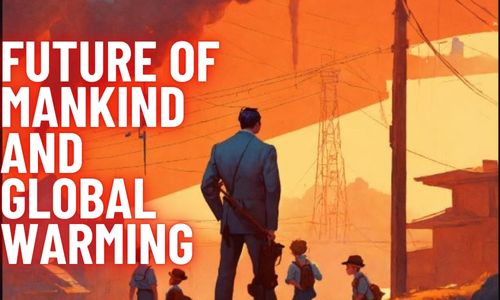
Global Warming and Future of Mankind
ESSAY OUTLINE
1: Introduction
A. Definition of Global Warming
(i) Overview of global warming: Rising temperatures due to greenhouse gases.
(ii) Its significance for the planet and humanity.
B. Relevance to Mankind’s Future
(i) Why global warming is one of the most pressing issues for mankind.
(ii) Scope of the essay: How global warming impacts our future.
2: The Current State of Global Warming
A. Causes of Global Warming
(i) Human activities: Industrial emissions, deforestation, and agriculture.
(ii) Natural contributions: Solar radiation and volcanic activities.
B. Current Effects on Earth
(i) Rising sea levels, melting glaciers, and extreme weather events.
(ii) Impact on ecosystems: Biodiversity loss, species extinction.
3: Impact on Mankind’s Survival and Lifestyle
A. Environmental Challenges
(i) Water shortages and agricultural disruptions.
(ii) Climate refugees: Displacement due to rising sea levels and extreme weather.
B. Health Impacts
(i) Spread of diseases in warmer climates.
(ii) Increased mortality from heatwaves and natural disasters.
C. Economic Consequences
(i) Damage to infrastructure and livelihoods.
(ii) Economic inequality exacerbated by unequal access to resources.
4: Technological and Societal Adaptation
A. Renewable Energy Transition
(i) Solar, wind, and other sustainable energy sources.
(ii) Technological innovations in reducing carbon footprints.
B. Policy and Global Cooperation
(i) International agreements: Paris Climate Agreement.
(ii) Local government and individual roles in mitigation efforts.
C. Behavioral Changes
(i) Sustainable consumption and lifestyle adjustments.
(ii) Community resilience and adaptation strategies.
5: Future Scenarios for Mankind
A. Optimistic Outlook: Green Revolution
(i) A future where humanity successfully adapts through sustainable development.
(ii) Technological breakthroughs leading to climate stabilization.
B. Pessimistic Outlook: Irreversible Damage
(i) Potential for runaway climate change leading to catastrophic consequences.
(ii) Social, political, and economic collapse in worst-case scenarios.
C. The Middle Ground
(i) Partial success in mitigation but continued challenges in adaptation.
Conclusion
A. Summary of Key Points
(i) Review of global warming’s impact and mankind’s response.
B. Call to Action
(i) Importance of immediate, coordinated global efforts.
(ii) Responsibility of current generations for future survival.
ESSAY
Global warming refers to the increase in Earth’s average temperature due to the accumulation of greenhouse gases like carbon dioxide and methane in the atmosphere. These gases trap heat, preventing it from escaping into space, which leads to a warming effect.
This rise in temperature affects natural systems, causing glaciers to melt, sea levels to rise, and weather patterns to become more extreme. These changes pose serious challenges to the planet’s ecosystems and threaten human survival.
Global warming affects nearly every aspect of life, from food and water availability to health and safety. As temperatures continue to rise, the risks to human life, economies, and biodiversity grow.
This essay will explore the various ways in which global warming influences the future of mankind, examining environmental, social, and economic impacts, as well as potential solutions for adaptation and survival.
Human activities play the largest role in accelerating global warming. Industries release massive amounts of carbon dioxide and other greenhouse gases into the atmosphere. Deforestation reduces the planet’s ability to absorb these gases, while agriculture, especially livestock farming, produces methane, a potent greenhouse gas.
Natural factors also contribute to global warming, though to a lesser extent. Changes in solar radiation influence the Earth’s climate, while volcanic eruptions can release large quantities of greenhouse gases. However, these natural events occur less frequently and do not drive warming as significantly as human actions.
The Earth is already feeling the effects of global warming. Sea levels are rising as glaciers and ice caps melt, threatening coastal communities. Additionally, we see more frequent and severe weather events such as hurricanes, floods, and heatwaves, which disrupt lives and economies.
Global warming disrupts ecosystems, forcing species to either adapt or face extinction. Many plants and animals are losing their habitats due to rising temperatures, changing precipitation patterns, and human encroachment, leading to a significant loss of biodiversity across the globe.
As global warming progresses, droughts become more frequent, leading to severe water shortages. Crops fail due to extreme weather conditions, disrupting food production and threatening food security for millions of people worldwide.
Rising sea levels and frequent natural disasters force people to abandon their homes. Coastal populations and those in vulnerable areas are displaced, creating a growing number of climate refugees who face uncertainty and hardship.
Warmer temperatures allow diseases like malaria and dengue to spread to new regions. The changing climate enables disease-carrying insects to thrive in areas that were previously too cold, increasing the risk of outbreaks.
Heatwaves have become more intense and frequent, leading to higher death rates, particularly among the elderly and vulnerable populations. Natural disasters like hurricanes, floods, and wildfires also cause significant loss of life and long-term health impacts.
Extreme weather events such as floods and storms destroy infrastructure, homes, and businesses. Rebuilding is costly, and many communities struggle to recover, especially in developing regions. The economic damage leads to job losses and reduced income.
Global warming worsens economic inequality. Wealthier nations and individuals can better adapt to the changing climate, while poorer communities face greater risks. Limited access to resources like clean water, healthcare, and financial support leaves many unable to cope with the impacts of climate change.
Mankind is increasingly shifting from fossil fuels to renewable energy sources like solar, wind, and hydroelectric power. These sustainable alternatives reduce greenhouse gas emissions and help slow the pace of global warming.
Advances in technology, such as electric vehicles, energy-efficient appliances, and carbon capture methods, play a critical role in lowering carbon footprints. These innovations make it easier for industries and individuals to minimize their environmental impact.
Global cooperation is essential in addressing climate change. Agreements like the Paris Climate Agreement commit countries to reduce their carbon emissions and limit global warming to below 2°C, demonstrating a unified effort to tackle this crisis.
While international cooperation is vital, local governments and individuals also have important roles. Local policies promoting energy efficiency, waste reduction, and green infrastructure encourage sustainable living. Individuals can contribute by adopting eco-friendly habits and supporting environmental initiatives.
People are adopting more sustainable lifestyles by reducing waste, conserving energy, and choosing eco-friendly products. Small changes like recycling, reducing meat consumption, and using public transportation help lower the demand for resources and decrease environmental damage.
Communities are developing resilience by preparing for climate-related challenges. This includes building flood defenses, creating disaster response plans, and promoting social cohesion to help communities recover more quickly from extreme weather events. Adaptation strategies focus on minimizing the impacts of climate change while preparing for future disruptions.
In this scenario, global cooperation, innovative technologies, and sustainable practices help humanity fully transition to renewable energy and resource-efficient lifestyles. Governments, businesses, and individuals prioritize sustainability, leading to a balanced, eco-friendly economy.
Breakthroughs in areas like carbon capture, clean energy, and efficient transportation drastically reduce greenhouse gas emissions. These advances prevent further warming and restore environmental balance, stabilizing the climate for future generations.
If current trends continue unchecked, global warming could spiral out of control, causing irreversible damage. Rising temperatures could trigger feedback loops, such as thawing permafrost releasing more greenhouse gases, leading to devastating effects like uninhabitable regions and collapsing ecosystems.
In the most dire scenarios, widespread climate disasters lead to social unrest, political instability, and economic breakdown. Countries may face wars over dwindling resources, while failing economies and governments struggle to provide for their people, exacerbating global inequality and suffering.
In a more likely scenario, humanity achieves moderate success in reducing emissions, but the effects of climate change persist. Some regions may successfully adapt through sustainable practices, while others continue to face challenges, such as extreme weather, food shortages, and resource conflicts.
While global warming’s effects are still felt, continued technological and social advancements help people cope with these changes. Efforts to mitigate damage, build resilient communities, and innovate new solutions become a central focus, ensuring long-term survival amidst ongoing climate challenges.
Global warming has already brought significant environmental, social, and economic challenges. Human activities, such as industrial emissions and deforestation, are the primary drivers of climate change, while rising sea levels, extreme weather events, and biodiversity loss highlight its immediate effects. In response, humanity is making progress with renewable energy transitions, policy changes, and technological innovations, though the future remains uncertain depending on the scale of global efforts.
Addressing global warming requires urgent and coordinated action on a global scale. Governments, businesses, and individuals must work together to implement sustainable practices, reduce emissions, and protect vulnerable populations. The time to act is now before irreversible damage is done.
Present generations bear the responsibility to mitigate the effects of climate change for the sake of future generations. Every individual can contribute by adopting sustainable behaviors, supporting climate policies, and advocating for environmental justice. Our actions today will shape the world we leave behind for those who come after us.











LEAVE A COMMENT