
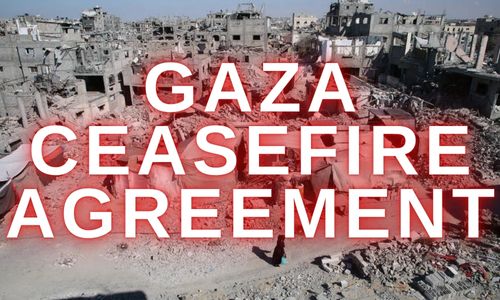
Gaza Ceasefire Agreement
Gaza Ceasefire Agreement Overview
Israel and Hamas reached the Gaza ceasefire agreement on January 15, 2025, as a multi-phase deal to end their 15-month conflict. Here are the key points:
First Phase: Immediate Actions
- Ceasefire: A temporary halt to fighting starting January 19, 2025.
- Hostage Release: Israel will release 33 hostages held by Hamas, including women, children, and elderly men.
- Prisoner Exchange: Hamas will release Palestinian prisoners held by Israel.
- Humanitarian Aid: Increased aid deliveries to Gaza, with the goal of reaching over 500 trucks a day.
- Israeli Troop Withdrawal: Israeli forces will withdraw from populated areas in Gaza.
Second Phase: Intermediate Steps
- Further Hostage Release: Negotiations for the release of remaining hostages.
- Continued Aid and Reconstruction: Ongoing humanitarian aid and initial steps towards rebuilding Gaza.
- Buffer Zone: Israel will maintain a buffer zone within Gaza.
Third Phase: Long-term Solutions
- Complete Hostage Return: The return of all remaining hostages.
- Reconstruction Plan: A comprehensive plan for the reconstruction of Gaza over the next three to five years.
Destruction of Gaza
The situation in Gaza is dire, with widespread destruction to infrastructure, homes, and essential services. While the ceasefire agreement includes provisions for the return of displaced Palestinians, many homes no longer exist.
Humanitarian Crisis
The humanitarian crisis in Gaza is severe, with over 45,936 Palestinians killed as of January 2025, and actual casualties potentially much 5 times higher due to unrecovered bodies. Over 100,000 have been injured, many with severe injuries, including amputations. Gaza now has the highest number of amputated children per capita. The conflict has led to shortages of food, water, medical supplies, and electricity, with Israel’s blockade worsening the situation by restricting the entry of humanitarian aid.
Israel’s Role: Israel has maintained a blockade on Gaza for years, which has significantly limited the flow of goods and services into the region. Israel tightened the blockade in response to hostilities, making it harder for aid organizations to deliver necessary supplies, which caused famine in Gaza and Rafah. The restrictions have led to widespread shortages and have worsened the humanitarian crisis.
Egypt’s Role: Egypt has also played a role in the crisis. While Egypt has occasionally opened its border with Gaza to allow some aid to pass through, it has also cooperated with Israel in maintaining the blockade. This cooperation has further restricted the movement of people and goods, contributing to the ongoing suffering in Gaza.
The international community has called for an end to the blockade and for authorities to allow increased humanitarian aid into Gaza. Aid organizations like UNRWA, UNICEF, and the World Food Programme are working tirelessly to provide relief, but the situation remains critical.
Impact on Palestinian Children
The conflict has had devastating effects on Palestinian children, impacting their physical, mental, and emotional well-being:
Physical Impact
- Casualties: Thousands of children have been killed or injured due to airstrikes and ground operations.
- Displacement: Many children have been displaced multiple times, losing their homes and loved ones.
- Health Issues: The blockade and destruction of infrastructure have led to severe shortages of food, water, and medical supplies, causing malnutrition and disease.
Mental and Emotional Impact
- Psychological Trauma: Children in Gaza have experienced relentless mental harm, including anxiety, depression, and PTSD.
- Loss of Hope: Many children have given up on their dreams and ambitions, struggling to imagine a future without war.
- Educational Disruption: The conflict has disrupted education, with schools being damaged or used as shelters.
Social Impact
- Family Separation: The conflict has torn families apart, with many children losing parents and siblings.
- Lack of Safe Spaces: There are no safe places for children in Gaza, making it difficult for them to find refuge from the violence.
Infrastructure Destruction
- Hospital Bombings: Israeli airstrikes have deliberately targeted hospitals and schools converted into refugee camps, causing significant damage and destruction. Many hospitals have had to close due to a lack of medical supplies, fuel, and the ongoing threat of attacks.
- Attacks on Medical Personnel: There have been reports of paramedics and doctors being killed or taken into custody during the conflict. This has further strained the already overwhelmed healthcare system.
- Systematic Dismantling: The World Health Organization (WHO) and other international bodies have described the situation as a systematic dismantling of Gaza’s healthcare infrastructure. This includes the destruction of vital equipment and the disruption of life-saving services.
The international community continues to call for an end to the violence and for the protection of civilians and medical personnel. The hope is that the recent ceasefire agreement will provide some relief and allow for the rebuilding of Gaza’s healthcare system.
Criticism on Israel for Opposing Same Ceasefire Agreement from 8 Months
Israel, backed by the USA and Biden, faced strong criticism for rejecting a ceasefire proposal eight months ago by vetoing it four times in the UN Security Council. Critics argued that this refusal prolonged the conflict, worsening the humanitarian crisis and increasing civilian casualties and infrastructure destruction.
Beyond humanitarian concerns, some accused Israel of prioritizing political and military goals over civilian welfare, fueling a contentious debate about its motivations and actions during the conflict.
Collateral Damage
The Gaza conflict has become a matter of collateral damage for both sides i.e Israel and Palestinians with so many implications
Israeli Gains & Losses
Israel’s objectives in delaying the ceasefire were multifaceted:
- Maximizing Leverage: By delaying the ceasefire, Israel aimed to gain more leverage in negotiations, ensuring that Hamas would agree to more favorable terms, including the release of hostages and the return of prisoners.
- Strategic Military Objectives: Israel continued its military operations to weaken Hamas’ infrastructure and capabilities, aiming to reduce the threat of future attacks.
- Domestic Political Pressure: The Israeli government faced pressure from its citizens and political factions to achieve a decisive victory and ensure the safety of Israeli hostages.
- International Diplomacy: Israel wanted to demonstrate its resolve and commitment to its security interests, which could influence international support and diplomatic relations.
Losses Suffered by Israel
- Human Casualties: The conflict resulted in significant loss of life, with over 1,700 Israelis killed. (this figure is not correct and independent sources claimed that the Israeli casualties are higher in number)
- Economic Impact: The prolonged conflict had a substantial economic cost, including damage to infrastructure and the cost of military operations.
- International Criticism: Israel faced widespread international criticism for its actions during the conflict, including accusations of disproportionate use of force and violations of international law.
- Humanitarian Crisis: The blockade and military operations contributed to a severe humanitarian crisis in Gaza, which has drawn condemnation from various international organizations.
The situation remains complex, and the long-term impact of these gains and losses will depend on the ongoing political and humanitarian developments in the region.
Hamas Gains and Losses
Hamas has experienced both gains and significant losses from the recent conflict:
Achievements
- Hostage Release: Hamas secured the release of Palestinian prisoners held by Israel, which is a significant political and symbolic victory.
- International Attention: The conflict brought global attention to the plight of Palestinians in Gaza, highlighting the humanitarian crisis and the need for a long-term solution.
- Political Leverage: By demonstrating its ability to sustain a prolonged conflict, Hamas has strengthened its position within Palestinian politics and gained leverage in negotiations with Israel.
Losses
- Human Casualties: The conflict resulted in a significant loss of life, with thousands of Palestinians killed and many more injured.
- Infrastructure Destruction: Gaza’s infrastructure has been severely damaged, including homes, hospitals, and essential services.
- Military Capabilities: Hamas’ military infrastructure, including its tunnel network and arsenal, has been significantly weakened by Israeli operations.
The conflict has significantly impacted Hamas, particularly due to the loss of several key leaders. Here are some notable points:
Leadership Losses
- Mohammed Deif: The military chief of Hamas, was martyred in an airstrike on July 13, 2024.
- Ismail Haniyeh: The political leader of Hamas, was assassinated in Tehran on August 1, 2024.
- Yahya Sinwar: The on ground military and political head of Hamas in Gaza was martyred in a combat on October 16, 2024.
Impact on Hamas
- Leadership Vacuum: The loss of these leaders has created a significant leadership vacuum within Hamas, affecting its operational capabilities and strategic planning.
- Operational Disruption: The targeted killings have disrupted Hamas’ command structure, making it more challenging for the group to coordinate and execute its operations.
- Political and Military Setback: These losses have weakened Hamas’ political and military position, both within Gaza and in the broader regional context.
The situation remains complex, and the long-term impact of these gains and losses will depend on the ongoing political and humanitarian developments in the region.
Chances of Prevailing the Agreement
Way Forward
The ceasefire agreement raises concerns about the future of the two-state solution, as it provides immediate humanitarian relief but does not address Gaza’s long-term political status. Many Palestinians fear it may reinforce the status quo, leaving them under Israeli occupation without a clear path to statehood.
Despite ongoing international support for a two-state solution, recent developments suggest achieving it has become more challenging. The situation remains complex, requiring sustained diplomatic efforts to address the aspirations of both sides. Israel’s recent attacks within 24 hours of the deal, that martyred 52 Palestinians could jeopardize the ceasefire and erode trust.











LEAVE A COMMENT