
Benefits of Intermittent Fasting
Intermittent fasting (IF) has emerged as a popular eating pattern globally, focusing on alternating periods of eating and fasting. Unlike traditional diets that emphasize what to eat, intermittent fasting emphasizes when to eat. This approach offers a structured framework that can produce profound impacts on metabolism, weight management, and overall health.
Key Benefits of Intermittent Fasting
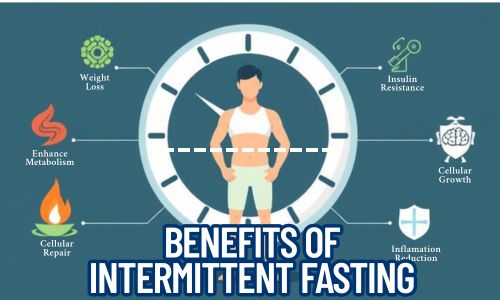
Promotes Weight Loss and Fat Burning
One of the most significant benefits of intermittent fasting is its ability to support weight loss. By restricting the eating window, we naturally consume fewer calories without needing to follow complicated diet plans. Fasting periods stimulate hormonal changes, notably an increase in norepinephrine levels, enhancing the breakdown of body fat and converting it into usable energy. Moreover, fasting lowers insulin levels, which facilitates fat burning.
Improves Metabolic Health
Intermittent fasting enhances insulin sensitivity, reducing the risk of developing type 2 diabetes. It also helps in lowering blood sugar levels, cholesterol, and triglycerides, all of which contribute to better heart health. Studies indicate that IF may decrease oxidative stress and inflammation, which are key drivers of chronic diseases.
Supports Cellular Repair and Longevity
During fasting periods, the body initiates vital cellular repair processes, including autophagy, a mechanism where old, damaged cells are broken down and recycled. This process is associated with anti-aging benefits and may reduce the risk of several neurodegenerative diseases, such as Alzheimer’s and Parkinson’s disease.
Enhances Mental Clarity and Focus
The metabolic shift during intermittent fasting encourages the production of brain-derived neurotrophic factor (BDNF), a protein that supports brain health. Many individuals report enhanced mental clarity, better focus, and a stable mood during fasting periods.
Drawbacks of Intermittent Fasting
Possible Nutrient Deficiency
Prolonged or poorly planned intermittent fasting can lead to nutrient deficiencies. With a smaller eating window, individuals may fail to meet their daily requirements for vitamins, minerals, and other essential nutrients, which can affect overall health over time.
Hunger and Irritability
One of the initial challenges of intermittent fasting is dealing with hunger pangs and mood fluctuations. In the early stages, many individuals experience irritability, fatigue, or decreased energy levels as the body adapts to a new eating schedule.
Disruption of Social and Family Meals
Intermittent fasting may conflict with social gatherings, family dinners, or cultural traditions centered around food. This can make long-term adherence difficult for some people, leading to feelings of isolation or frustration.
Potential Risk for Specific Groups
Intermittent fasting may not be suitable for pregnant women, individuals with eating disorders, or those with certain medical conditions without professional supervision. It is essential to consult with healthcare providers before starting IF, especially for people with complex health needs.
Recommended Duration of Intermittent Fasting for Good Results
The optimal duration of intermittent fasting varies depending on individual goals, health status, and lifestyle. However, common protocols that have shown positive results include:
-
16/8 Method: 16 hours of fasting followed by an 8-hour eating window. This method is widely practiced and sustainable for most people.
-
5:2 Diet: Eating normally for 5 days a week while restricting calorie intake (500-600 calories) on the remaining 2 days.
-
24-Hour Fasting: Conducted once or twice a week, where individuals abstain from food for 24 hours.
For noticeable weight loss and metabolic improvements, many experts recommend maintaining intermittent fasting for at least 8-12 weeks. However, it is crucial to monitor progress, adjust fasting patterns as necessary, and ensure nutrient needs are met within the eating window.
How Intermittent Fasting Differs from Regular Fasting in Islam
While both intermittent fasting and Islamic fasting (Sawm) involve abstention from food, their objectives, structure, and rules differ significantly.
Purpose and Spiritual Component
Intermittent fasting is primarily practiced for health, weight management, and longevity. Its goal is physical well-being and metabolic benefits.
On the other hand, fasting in Islam is a spiritual obligation, especially during the holy month of Ramadan. It is an act of worship, self-purification, and submission to God, with the aim of fostering piety, self-discipline, and empathy for the less fortunate.
Timing and Rules
Islamic fasting requires abstention from food, drink, and other specific actions (such as smoking and sexual activity) from dawn (Fajr) until sunset (Maghrib). The timing is dictated by religious principles and varies with geographical location and season.
In contrast, intermittent fasting schedules like 16/8 or 5:2 are flexible and chosen based on personal preference or convenience. There are no restrictions on specific activities beyond eating and drinking.
Duration and Continuity
Islamic fasting is observed during Ramadan for 29-30 consecutive days, with optional fasts on other occasions throughout the year.
Intermittent fasting is often adopted as a long-term lifestyle pattern, practiced continuously or in cycles according to individual goals.
Nutritional Approach
During Islamic fasting, the meals at Suhoor (pre-dawn) and Iftar (post-sunset) are opportunities to nourish the body, but there is no specific focus on calorie control or nutrient timing from a health perspective.
Conversely, intermittent fasting typically incorporates caloric control, macronutrient balance, and nutrient-dense food choices to maximize health benefits.
Final Thoughts
Intermittent fasting offers a powerful strategy for improving physical health, promoting weight loss, and supporting metabolic function. However, it carries potential drawbacks that require careful planning and consideration, particularly regarding nutritional adequacy and social implications.
While intermittent fasting shares similarities with Islamic fasting, it differs fundamentally in purpose, structure, and religious significance. For optimal results, intermittent fasting should be approached thoughtfully, tailored to individual needs, and sustained consistently over time.












LEAVE A COMMENT