
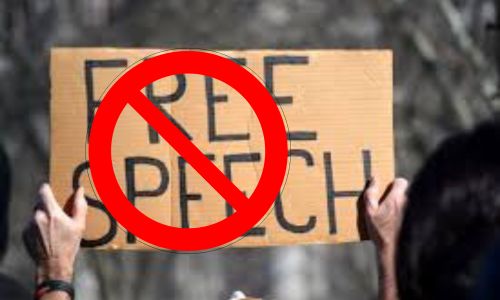
Free Speech – Limitations
ESSAY OUTLINE
1. Introduction
- Opening Thought: Begin with the importance of free speech in democratic societies.
- Context: Mention that while free speech is a fundamental right, unrestricted expression can cause harm.
- Thesis Statement: Free speech is essential, but it should have reasonable limitations to prevent harm, maintain public order, and protect the rights of others.
2. Understanding Free Speech
- Definition: Explain free speech as the right to express opinions and ideas without censorship or restraint.
- Significance: Discuss why free speech is vital for democracy, education, and social progress.
- Potential Risks: Highlight how unrestricted speech can lead to misinformation, hate, or social unrest.
3. Reasons for Limiting Free Speech
- Preventing Hate Speech and Violence:
- Speech that incites violence or discrimination can harm individuals and communities.
- Maintaining Public Order:
- Unrestricted speech may lead to riots, unrest, or panic.
- Protecting Individual Rights:
- Free speech should not infringe on privacy, dignity, or reputation.
- Preventing Misinformation:
- Limiting false or misleading information protects public safety and democracy.
4. Counterarguments
- Freedom as Absolute:
- Some argue that any restriction undermines democracy and personal liberty.
- Risk of Censorship Abuse:
- Governments may misuse limitations to silence dissent.
- Importance of Open Dialogue:
- Unrestricted debate fosters creativity, progress, and accountability.
5. Finding a Balance
- Emphasize that limitations should be reasonable, targeted, and transparent.
- Laws should focus on preventing harm, not suppressing dissent or unpopular opinions.
- Promote responsible speech, critical thinking, and ethical expression alongside freedom.
6. Conclusion
- Restate Thesis: Free speech is vital, but limitations are necessary to protect individuals and society.
- Summarize Key Points: Discuss the balance between liberty and responsibility, public safety, and protection from harm.
- Final Thought: A society thrives when freedom of expression exists alongside respect, accountability, and thoughtful boundaries.
ESSAY
Free speech plays a crucial role in democratic societies by allowing individuals to express their thoughts, ideas, and opinions openly. It empowers people to challenge injustice, share innovative ideas, and participate actively in civic life. By enabling open dialogue, free speech strengthens democracy and encourages social progress, fostering an environment where citizens can hold governments accountable and advocate for change.
While free speech is a fundamental human right, exercising it without limits can sometimes lead to harm. Unrestricted expression can spread false information, incite violence, or insult and threaten others. Societies that allow absolute freedom of speech without safeguards may face social unrest, discrimination, or erosion of individual rights. Understanding the potential consequences of unchecked speech is essential to maintaining both freedom and responsibility.
Free speech is indispensable for personal liberty and societal growth, but it must have reasonable limitations. By restricting speech that causes harm, endangers public order, or violates the rights of others, societies can protect citizens while preserving the benefits of open expression. Balancing freedom with accountability ensures that free speech remains a tool for progress rather than a source of conflict.
Free speech is the right of individuals to express their thoughts, opinions, and ideas openly without censorship, restraint, or fear of retaliation. It allows people to communicate their beliefs, critique authorities, and share information freely. This right forms the foundation of democratic societies, enabling citizens to participate actively in debates, decision-making, and public discourse.
Free speech plays a vital role in democracy, education, and social progress. In democratic systems, it empowers citizens to hold governments accountable and advocate for change. In education, it encourages the exchange of diverse ideas, critical thinking, and innovation. On a societal level, free speech promotes awareness, transparency, and social reform by allowing communities to challenge injustices and discuss solutions openly. By safeguarding the flow of ideas, free speech fosters growth, understanding, and collaboration.
Unrestricted free speech can create significant risks when individuals misuse it to spread misinformation, hate, or incite violence. False information can mislead the public, cause panic, or influence elections unfairly. Speech that promotes discrimination, intolerance, or hostility can harm individuals and communities. Furthermore, unchecked expression may trigger social unrest or conflict, undermining public safety and stability. Recognizing these risks is crucial to understanding why limitations on free speech are sometimes necessary to protect society while maintaining the benefits of open dialogue.
Governments and societies must limit speech that incites violence or promotes discrimination because it directly harms individuals and communities. Words that encourage aggression, racial or religious hatred, or targeting of specific groups can escalate into physical conflict or social division. By restricting hate speech, authorities protect vulnerable populations and maintain harmony, ensuring that expression does not become a tool for harm or oppression.
Unrestricted speech can sometimes trigger riots, mass unrest, or widespread panic. When individuals spread inflammatory ideas or false alarms, it threatens the safety and stability of communities. Governments impose limitations to prevent chaos, ensuring that public spaces remain secure and citizens can live without fear. Controlling disruptive speech preserves societal order while still respecting freedom of expression within responsible bounds.
Free speech should never infringe upon the privacy, dignity, or reputation of others. Insults, defamation, or personal attacks can cause emotional harm, damage careers, or undermine social trust. By placing reasonable limits, societies balance the right to express opinions with the responsibility to respect the rights of others. This ensures that one person’s freedom does not become another’s suffering.
Spreading false or misleading information can have serious consequences for public safety, health, and democracy. Misinformation about elections, health crises, or public policies can mislead citizens, cause panic, or erode trust in institutions. Limiting such speech helps maintain an informed society, ensures responsible communication, and protects both individual and collective well-being. By curbing falsehoods, societies safeguard truth while upholding the benefits of free expression.
Some people argue that free speech should be absolute, without any limitations, because restricting it threatens democracy and personal liberty. They believe that individuals must have the right to express any opinion, even if it is unpopular or controversial, to ensure a truly free society. According to this view, imposing restrictions may weaken democratic principles and undermine citizens’ ability to challenge authority or speak truth to power.
Critics highlight that governments or authorities can misuse limitations on speech to silence dissent, suppress opposition, or control public opinion. When restrictions are vague or excessive, they can become tools for political manipulation rather than protection. This abuse can undermine justice, reduce transparency, and erode trust in institutions, making people cautious about who decides the boundaries of free expression.
Unrestricted debate plays a crucial role in fostering creativity, progress, and accountability. Open dialogue encourages the exchange of diverse perspectives, helping societies solve problems, innovate, and grow intellectually. When people can discuss sensitive topics freely, they challenge outdated ideas, hold leaders accountable, and find solutions collaboratively. Limiting speech too strictly may stifle critical thinking and prevent society from evolving.
Societies must implement restrictions on free speech carefully, ensuring they are reasonable, clearly defined, and transparent. Laws and regulations should specifically address harmful speech, such as threats, hate speech, or incitement to violence, without broadly restricting legitimate expression. By setting precise boundaries, governments can protect public safety and individual rights while maintaining the credibility and fairness of free speech policies.
Authorities should design laws to prevent real harm rather than suppress dissenting voices or unpopular opinions. Limitations should target speech that endangers others or society rather than censoring criticism of policies, leaders, or cultural norms. By focusing on the protection of individuals and public order, societies can preserve freedom of expression while ensuring accountability and safety.
Alongside maintaining freedom, societies should encourage individuals to use their voices responsibly. Citizens should exercise critical thinking, verify facts, and communicate ethically to minimize harm and misinformation. Teaching and promoting ethical expression ensures that free speech serves its intended purpose—enriching society, fostering dialogue, and driving progress—without causing unnecessary conflict or damage.
Free speech remains a fundamental pillar of democracy and personal liberty, yet it requires reasonable limitations to protect individuals and society. By placing thoughtful boundaries on harmful or dangerous speech, societies can ensure that freedom does not become a tool for violence, discrimination, or chaos. Responsible regulation allows citizens to enjoy their right to express ideas while maintaining safety, dignity, and harmony.
Balancing liberty with responsibility is essential to sustain free speech. Societies must prevent harm, maintain public order, and protect individual rights without suppressing legitimate expression. At the same time, citizens must exercise ethical communication, critical thinking, and respect for others. By combining legal safeguards with personal responsibility, communities can promote both freedom and social well-being.
A society thrives when freedom of expression coexists with respect, accountability, and thoughtful boundaries. Protecting speech from abuse while encouraging responsible dialogue strengthens democracy, promotes social harmony, and fosters intellectual growth. By valuing both liberty and responsibility, communities can create an environment where ideas flourish safely and meaningfully for the benefit of all.











LEAVE A COMMENT