

Who Are Syrian Rebels
Abu Mohammad al-Jolani, born Ahmed Hussein al-Shar’a in 1982, is a prominent Syrian militant leader. He is the current emir of Hayat Tahrir al-Sham (HTS), an Islamist militant group that played a significant role in the recent offensive that led to the fall of Damascus and the toppling of President Bashar al-Assad.
Background
- Early Life: Born in Saudi Arabia to Syrian exiles, his family returned to Syria in the late 1980s. He grew up in the Mezzeh neighborhood of Damascus.
- Jihadist Beginnings: Jolani’s journey as a jihadist began in Iraq, where he joined al-Qaeda in Iraq (AQI) and later became involved with the Islamic State of Iraq (ISI). He was imprisoned by the Americans for several years, including time at Abu Ghraib and Camp Bucca.
- Formation of Al-Nusra Front: In 2011, Jolani was sent to Syria by Abu Bakr al-Baghdadi to establish Jabhat al-Nusra, which later became a prominent Syrian fighting force.

Leadership and Transformation
- HTS Leadership: Jolani has been the emir of HTS since 2017. Under his leadership, HTS has sought to establish governance in its controlled territories, providing public services and issuing identity cards to residents.
- Rebranding and Legitimacy: Jolani has worked to distance HTS from its jihadist roots, presenting a more moderate image and focusing on local governance rather than global jihadist goals.
Abu Mohammed al-Jawlani, the leader of Hayat Tahrir al-Sham (HTS), has positioned himself as a central figure in Syria’s post-Assad narrative. His group’s swift advances in Aleppo, Hama, and Homs from their base in Idlib have undeniably shaped recent events.
Other rebel factions have also risen, intensifying Syria’s collective challenge to the Assad regime. These coordinated efforts have contributed to the rapid unraveling of Assad’s control.
Rebel Groups and Their Role in the Regime’s Collapse
The Syrian rebels are a diverse coalition of opposition forces. Here are some of the key groups involved:
Hayat Tahrir al-Sham (HTS):

An Islamist militant group led by Abu Mohammad al-Jolani. HTS has its roots in al-Qaeda and is considered a terrorist organization by the United States.
Syrian National Army (SNA):

An umbrella group established in 2017, bringing together various factions with different ideologies. The SNA is backed by Turkey.
Free Syrian Army (FSA):
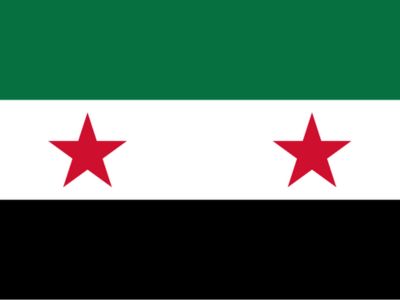
One of the earliest and most prominent rebel groups, consisting of defected Syrian military personnel and volunteers.
Jaysh al-Islam:

A Salafi Islamist rebel group that has been active in the Damascus area.
Ahrar al-Sham:
A coalition of Islamist and Salafi groups that has been active in various parts of Syria.
These groups have different ideologies and agendas, but they have united in their opposition to the Assad regime. While the Hayat Tahrir al-Sham (HTS) is an umbrella organization that includes several factions. Here are the key groups that are part of HTS:
Jabhat Fateh al-Sham:

Formerly known as Jabhat al-Nusra, this group was originally an al-Qaeda affiliate in Syria.
Liwa al-Haqq:
A faction that has been part of HTS since its formation.
Jabhat Ansar al-Din:
Another faction that joined HTS, known for its Salafi jihadist ideology.
Jaysh al-Sunna:

A group that has been involved in various battles across Syria.
HTS has evolved over time, merging with these and other factions to become a significant force in the Syrian conflict
While former Free Syrian Army factions, once dormant in southern towns and cities, have reignited rebellion. Some of these groups now operate in Damascus, symbolizing Syria’s broader resistance against Assad’s rule.
Kurdish-led forces have taken advantage of the Syrian army’s collapse to secure Deir El-Zour, a vital city in the east. Meanwhile, remnants of the Islamic State in the Syrian desert may exploit the current instability. In the north, along the Turkish border, the Ankara-backed Syrian National Army remains a significant force in shaping Syria’s future.
Hayat Tahrir al-Sham’s Transformation
HTS, originally established in 2011 as Jabhat al-Nusra under al-Qaeda’s banner, gained notoriety as one of the most effective anti-Assad groups. However, al-Jawlani’s public break from al-Qaeda and the creation of HTS in 2017 aimed to rebrand the organization. Despite skepticism over its renouncement of extremist ties, HTS has recently promoted inclusivity and rejected revenge-driven violence.
Ongoing Divisions Amid Assad’s Fall
Despite Assad’s departure, divisions persist across Syria. Various groups hold territories outside government control, highlighting the fractured nature of the opposition. HTS has faced internal conflicts with other rebel factions in the past, a dynamic that could resurface as they vie for influence.
Human Rights Allegations Against HTS
HTS’s efforts to gain legitimacy face significant obstacles, including accusations of human rights abuses. These allegations tarnish the group’s image and raise questions about its ability to lead Syria into a stable political future.
The Role of International Powers
The political trajectory of post-Assad Syria depends not only on the intentions of groups like HTS but also on external influences. Iran and Russia, long-time supporters of Assad, will play crucial roles. Turkey, which backs rebel factions, and the U.S., maintaining a military presence in Kurdish-controlled areas, will also shape Syria’s future. These powers now scramble to redefine their strategies in a post-Assad era.
The Syrian rebels have received backing from several countries and entities over the course of the civil war. Here are some of the key supporters:
Turkey: Turkey has been one of the most significant backers of the Syrian rebels, providing military support, training, and safe haven for rebel groups.
United States and Western Allies: Various Western countries have provided support to different factions of the Syrian opposition, including funding, weapons, and training.
Gulf States: Countries like Saudi Arabia, Qatar, and the United Arab Emirates have also supported the rebels with financial aid and military supplies.
Other Foreign Actors: Various other countries and non-state actors have provided varying degrees of support to the Syrian opposition.
These backers have played crucial roles in sustaining the rebel groups’ efforts against the Assad regime. However, the situation remains complex, with shifting alliances and interests over time.
What Lies Ahead for Syria?
Syria’s immediate future remains uncertain. Right after the capture of Damascus by Syrian rebels on Sunday, Israel launched three airstrikes in Damascus, targeting a security complex and a government research center. These locations, previously identified by Israel as Iranian missile development hubs, sustained significant damage. The strikes affected the customs headquarters, military intelligence buildings, and sensitive storage facilities for military data and missile components, according to two regional security sources.
Research Facility Severely Damaged
The airstrikes also hit a research facility, damaging infrastructure believed to support missile development. Sources confirmed that sensitive military equipment and guided missile parts were destroyed in the attacks.
Assad’s Fall Sparks Regional Tensions
The airstrikes coincided with the overthrow of Syrian President Bashar al-Assad by rebel forces. Israel observed this rapid regime collapse with a mix of hope and caution, considering it one of the Middle East’s most significant strategic changes in years. Assad’s regime relied heavily on Iran and Russia during the civil war.
Concerns Over Chemical Weapons
Israeli officials expressed growing fears about the fate of Syria’s chemical weapons and other banned munitions. They worry these weapons could fall into the hands of Islamist-led rebels who seized Damascus.
Additional Targets in Southwest Syria
Earlier on Sunday, Israel struck seven locations in southwest Syria, including Khalkhala air base near Sweida. Syrian army forces had abandoned the base the previous night, leaving behind substantial missile stockpiles, air defense systems, and ammunition, which Israel targeted in its raids.
Strikes Near Mezzah Airport
Israel also hit ammunition depots near Mezzah military airport, southwest of Damascus. These attacks marked a continuation of Israel’s long-standing campaign against Iranian-linked targets in Syria, a campaign intensified following the October 7 attack by Hamas on Israeli territory.
Escalation of Regional Dynamics
The recent Israeli strikes highlight the heightened regional tensions and strategic recalibrations in the aftermath of Assad’s fall. As the Middle East adjusts to these dramatic shifts, the international community closely watches the evolving power dynamics in Syria.
Due to the collapse of Assad’s regime, has created a power vacuum filled with competing factions. The involvement of international powers further complicates the landscape. The coming months will determine whether Syria finds a path to unity or succumbs to prolonged division and strife.












LEAVE A COMMENT