

Ways to Slow Climate Change
We can do a lot to address the climate crisis and “be the change we wish to see in the world,” despite the fact that individual carbon footprints are dwarfed by fossil fuel companies worldwide. Many of us lament our inability to reduce the frequency and severity of flooding, cyclones, and wildfires brought on by climate change. There is a widespread belief that governments will not regulate polluting fossil fuel companies, that they cannot be stopped, and that emission reduction targets will never be met. However, there are a lot of things we can do individually and collectively to reduce the emissions of greenhouse gases (GHGs) that accelerate global warming.
Usage of Non-Combustible Vehicles (Solar or Electric)

Around one fifth of the world’s emissions come from transportation, with road traffic being the worst culprit. Decarbonizing our transportation by switching from gasoline-powered automobiles to trains, bicycles, electric vehicles, and, whenever possible, walking — the ultimate zero-emission transportation — is one easy way to reduce emissions. Electric scooters and e-buses are becoming low-emission modes of transportation in cities. Even when manufacturing and disposal emissions are taken into account, a gasoline car emits 10 times more carbon than an electric scooter. The preference for trains over planes can also have a significant impact on the roughly 10% of the world’s population that has ever taken a flight. A typical train trip between cities in Europe produces up to 90% less carbon dioxide than a comparable flight.
Prefer Vegetarian
In addition to biodiversity loss, soil contamination, and pollution, the production of meat and dairy accounts for approximately 15% of global GHG emissions. According to the Intergovernmental Panel on Climate Change (IPCC), “diets high in plant protein and low in meat and dairy” have the greatest potential to reduce greenhouse gases. The IPCC stated this year that emissions must be cut by half by 2030 to mitigate global warming. Therefore, for people who want to lessen their impact on the environment, becoming vegetarian or vegan may be the best option.

That choice is made even simpler by an increase in climate-friendly plant-based meats. However, according to the Boston Consulting Group, plants currently provide only 2% of protein, but that number is expected to rise to 11% by 2035 if more people reduce their demand for meat and dairy.
Enforce governments to take Measures
Students who participated in the Fridays for Future demonstrations demonstrated that it is possible to unite to fight climate change. Despite the fact that politicians are not doing enough, they have had to listen as climate-related issues influence voters’ plans to vote in elections all over the world, most recently in Australia, where the new leader promised to significantly raise climate ambition (despite the fact that many believe the target is still inadequate).
Additionally, the courts occasionally listen. Fridays for Future youth successfully argued in a German higher court in April 2021 that a lack of climate action was unconstitutional and a threat to their fundamental freedoms. As a direct consequence of this, the court ordered the government to raise its emission reduction targets, which it did a few months later. Many people are putting pressure on politicians about climate change through protests, campaigns on social media, or letters to local representatives because climate change is the most important issue for a younger generation of voters. A good place to start is requiring carbon neutrality by 2030, which is the objective of a citizen initiative for a climate referendum in the German capital.

To ensure to fight against the climate changes, along with governments and states, UN as an organization is also playing its pivotal role to save and preserve the global environment and also taking parameters and ensuring its member countries to take complete and active part in the program.
Convert to Green Energy Providers and (when possible) Install Renewables
Global GHG emissions come primarily from the use of fossil fuels as energy sources. Because of this, choosing green electricity from clean, renewable sources like wind or solar is a great way to cut down on a major source of carbon that damages the climate. Additionally, customers have already had an impact. By 2019, renewable electricity would account for 34% of all electricity generated in the European Union, having doubled since 2005.As a result, the majority of the EU’s electricity supply no longer comes from coal, the fossil fuel with the highest emissions.
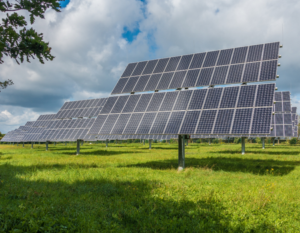
If possible, electric heat pumps or clean solar power can be installed on the roof of a house or apartment building as an alternative to gas heating. Even communities are forming alliances to run their neighborhoods almost entirely on renewable energy. In due regard solar energy has been pointed as the cheapest resource to consume energy.
Encourage Daylight Saving Technique
Simply lowering the temperature can help you save a lot of energy. This winter, the German government will limit heating temperatures in public buildings to 19 degrees Celsius because the country is experiencing an energy crisis as a result of its reliance on Russian gas.
Another way we can combat climate change right now is to turn off your computer at night and unplug idle electronics to get rid of “vampire” power. When we aren’t in the room, turning off the lights is even simpler.

Another step forward is utilizing highly energy-efficient appliances, like induction stoves rather than gas ones. Better still, try to get your government to turn off the night lights on monuments and buildings, as the German capital has done recently. To encourage people globally “Earth Hour” is also celebrated to aware the people to save the earth in which electricity has been cut down around the globe for an hour at a time.
Avoid Food Wasting
Meanwhile, approximately one third of all food produced globally is discarded. When the production, transportation, and handling of food are taken into account, this food loss and waste is a significant source of carbon emissions. Food that ends up in landfills also produces methane, a short-term source of a potent greenhouse gas.

Including emissions from landfills, annual food loss and waste generate 170 million metric tons of carbon dioxide equivalent GHG emissions in the United States. It’s equivalent to 42 coal-fired power plants’ annual emissions. Therefore, if we are unable to consume everything in the refrigerator, we should compost the remainder for biogas or garden fertilization.
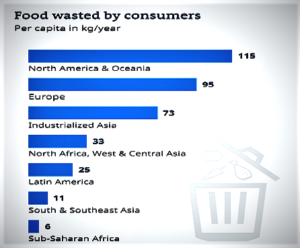
Meanwhile, exert pressure on supermarkets to donate surplus food to food banks or charities rather than throwing it away;or request that eateries provide “doggy bags” for unfinished food; both of these measures are included in a food waste law that Spain recently passed.
More Plantation
Despite the fact that trees are essential carbon sinks, deforestation continues at alarming rates. For instance, logging in the Amazon forest increased by 20% last year. One of the best things we can all do to reduce atmospheric CO2 is to plant trees, now more than ever.

According to the non-profit organization Become Carbon Negative, trees not only clean the air, increase biodiversity, and keep soils healthy, but they also save energy. This is especially true in cities where more plants on the street keep things cooler and reduce the need for air conditioning. In addition, trees can shield homes from the wind during the winter, lowering heating costs by up to 25%.








LEAVE A COMMENT