
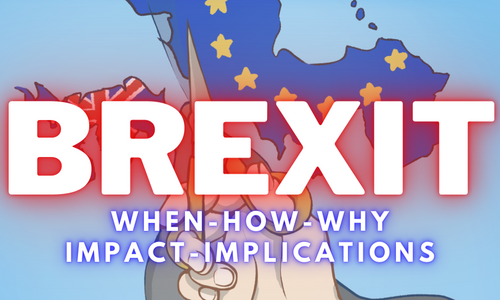
BREXIT
Brexit is a term used to describe the withdrawal of the United Kingdom (UK) from the European Union (EU). The term is a combination of “British” and “exit”. The decision to leave the EU was made by the British people in a referendum held on June 23, 2016. The referendum saw 51.9% of voters choosing to leave the EU, while 48.1% voted to remain.
The process of Brexit officially began on March 29, 2017, when the UK government invoked Article 50 of the Lisbon Treaty, which sketch outs the course of action for a member state to leave the EU. The negotiations between the UK and the EU lasted for several years and were marked by contentious issues such as the status of the Irish border and the rights of EU citizens living in the UK.
Brexit has had far-reaching implications for the UK, the EU, and the world at large. The UK’s departure from the EU has had a significant impact on trade, immigration, and foreign relations. The UK and the EU have had to negotiate a new trade agreement, which has led to changes in tariffs and regulations. The UK has also had to create new immigration policies and renegotiate its relationships with other countries outside of the EU.
Despite the challenges that Brexit has presented, the UK has also seen opportunities for growth and development. With greater control over its own policies and regulations, the UK can pursue new trade agreements and shape its future direction. The full effects of Brexit are still unfolding, but it is clear that it will continue to be a significant topic of discussion and debate for years to come.
Reasons Behind BREXIT
Britain, through a referendum held in June 2016, voted to leave the European Union (EU). There were several reasons why the majority of Britons voted to leave the EU, including:
- Sovereignty: Many Britons felt that the EU had too much influence over their country’s laws and regulations. They wanted to regain control over their own affairs and not be subject to decisions made by Brussels.
- Immigration: Concerns about immigration played a significant role in the Brexit vote. Many people were worried about the number of EU citizens moving to the UK and the impact this was having on jobs, public services, and the country’s culture.
- Economics: Some people believed that the UK would be better off outside the EU. They argued that the UK would have more control over its trade policies and could negotiate its own trade deals with other countries.
- National Identity: For some people, the EU represented a threat to their national identity. They felt that their country was losing its unique character and becoming too similar to other EU member states.
- Unequal distribution of benefits: Some people felt that the benefits of EU membership were not being evenly distributed across the UK, and that certain regions and groups of people were being left behind.
Overall, the Brexit vote was a complex mix of economic, political, and cultural factors that reflected a deep sense of frustration and dissatisfaction among many Britons with the status quo. The decision to leave the EU has had far-reaching consequences, both for the UK and for the EU itself.
BREXIT Impact on Britain
The UK’s decision to leave the European Union (EU) has had a significant impact on the country in several ways:
- Trade: The UK’s departure from the EU has led to changes in trade relationships. The UK and the EU have negotiated a new trade agreement, which has resulted in new tariffs and regulations on goods and services. There are also concerns about the impact of Brexit on trade relationships with other countries.
- Economy: The UK economy has been affected by the uncertainty surrounding Brexit, and by the economic impact of COVID-19. The UK’s economic growth rate has been slower than that of other major economies, and there have been job losses in several sectors.
- Immigration: The UK has had to create new immigration policies following its departure from the EU. There are concerns about the impact of these policies on businesses and the economy, as well as on the UK’s reputation as an open and welcoming country.
- Northern Ireland: The status of Northern Ireland has been a contentious issue in the Brexit negotiations. The Northern Ireland Protocol, which was designed to prevent a hard border between Northern Ireland and the Republic of Ireland, has led to tensions between the UK and the EU.
- Scottish Independence: Brexit has increased support for Scottish independence, as Scotland voted overwhelmingly to remain in the EU. The Scottish government has called for a new independence referendum, and the issue is likely to remain a contentious one in the coming years.
Overall, Brexit has had far-reaching consequences for the UK, with many of its effects still unfolding. The full impact of Brexit on the UK’s economy, society, and politics will likely not be fully understood for many years to come.
BREXIT Impact on EU
The departure of Britain from the European Union (EU) has had a significant impact on the EU in several ways:
- Budget: The UK was a major contributor to the EU budget, and its departure has created a significant gap in funding. The EU has had to renegotiate its budget and look for new sources of funding.
- Trade: The UK was one of the EU’s largest trading partners, and its departure has created uncertainty about the future of trade relationships between the UK and the EU. The EU has had to negotiate a new trade agreement with the UK, and there are concerns about the impact of Brexit on trade relationships with other countries.
- Defense and Security: The UK was a key member of the EU’s defense and security cooperation initiatives, and its departure has led to questions about the future of these initiatives. The EU has had to re-evaluate its security and defense policies in light of the UK’s departure.
- Political Dynamics: The departure of the UK has changed the political dynamics of the EU, with the loss of a major member state having significant implications for decision-making processes and power dynamics.
- Integration: The UK was not a member of the Eurozone or the Schengen Area, and its departure has created opportunities for the EU to deepen integration among its remaining member states. However, it has also raised questions about the long-term viability of the EU project.
Overall, the departure of the UK from the EU has had far-reaching consequences for the EU, with many of its effects still unfolding. The full impact of Brexit on the EU’s economy, society, and politics will likely not be fully understood for many years to come.
Diplomatic Impact on EU
Brexit has changed the diplomacy of the European Union (EU) alliance in several ways:
- Shift in Balance of Power: The departure of the UK from the EU has shifted the balance of power within the alliance. The UK was a major player in EU decision-making, and its departure has left a significant gap. Other member states may now seek to increase their influence within the EU, potentially leading to changes in the direction of EU diplomacy.
- Negotiating with the UK: Brexit has required the EU to negotiate with the UK on a range of issues, including trade, security, and foreign policy. These negotiations have been complex and challenging, and have required the EU to adapt its diplomatic strategies to the changing political landscape.
- Redefining the EU’s Role: The departure of the UK has forced the EU to redefine its role in the world. The EU has traditionally been seen as a major global player, but the loss of the UK’s diplomatic and military capabilities has raised questions about the EU’s ability to project power and influence on the world stage.
- Strengthening Integration: Brexit has led some EU member states to call for greater integration and cooperation, in order to counterbalance the loss of the UK’s influence. This could lead to changes in the way the EU approaches diplomatic issues, potentially leading to a more coordinated and assertive approach.
- Impact on EU’s Global Partnerships: Brexit has potentially impacted the EU’s relationships with other global partners, particularly in the areas of trade and foreign policy. The EU will need to adapt its diplomatic strategies in order to maintain and strengthen these relationships.
Overall, Brexit has had significant implications for the diplomacy of the EU alliance. The EU will need to adapt its diplomatic strategies in order to navigate the changing political landscape and maintain its position as a major global player.
Economic Impact on EU
Brexit has had significant economic implications for the European Union (EU) alliance, including:
- Trade: The UK was one of the largest trading partners of the EU, and its departure has created uncertainty about future trade relationships. The EU has had to renegotiate trade agreements with the UK, and this process has caused disruption and uncertainty for businesses on both sides of the Channel.
- Economic Growth: The uncertainty surrounding Brexit has had a negative impact on economic growth in both the UK and the EU. The IMF has predicted that the UK’s departure from the EU will lead to a reduction in economic growth in both the short and long term.
- Financial Services: London was a major financial center for the EU, and its departure has led to the relocation of some financial services firms to other EU cities. This has led to job losses in London and has caused disruption in the financial services industry.
- Budget: The UK was a significant contributor to the EU budget, and its departure has created a funding gap. The EU has had to renegotiate its budget and find new sources of funding to make up for the loss of UK contributions.
- Supply Chains: The UK’s departure from the EU has created disruption to supply chains, particularly for industries such as automotive and pharmaceuticals. This has led to increased costs and delays for businesses.
Overall, Brexit has had significant economic implications for the EU alliance. While the full impact of Brexit on the EU’s economy is still unfolding, it is clear that the departure of the UK has created uncertainty and disruption, and has had negative economic impacts for both the UK and the EU.
EU Security Challenges Post BREXIT
Brexit has had significant implications for the security of the European Union (EU) alliance, including:
- Defense Cooperation: The UK was a significant military power within the EU, and its departure has led to questions about the future of defense cooperation within the EU. The EU has sought to increase its own defense capabilities and cooperation among member states, but the loss of UK military capabilities could impact the ability of the EU to respond to security challenges.
- Intelligence Sharing: The UK was a key partner in intelligence sharing within the EU, particularly in the areas of counter-terrorism and cybersecurity. The loss of UK intelligence capabilities could impact the ability of the EU to respond to security threats.
- Border Security: The UK’s departure from the EU has created new challenges for border security, particularly in Northern Ireland. The EU has had to negotiate new border arrangements with the UK, and this process has created new security risks.
- Law Enforcement Cooperation: The UK was a key partner in law enforcement cooperation within the EU, particularly in the areas of extradition and sharing of criminal records. The loss of UK capabilities in these areas could impact the ability of the EU to combat cross-border crime.
- Foreign Policy: The UK was a significant player in EU foreign policy, particularly in areas such as sanctions and human rights. The loss of UK diplomatic capabilities could impact the ability of the EU to project its influence on the world stage.
Overall, Brexit has had significant implications for the security of the EU alliance. While the EU has sought to adapt to these new challenges, the loss of UK capabilities has created uncertainty and disruption, and has potentially weakened the ability of the EU to respond to security threats.
Social Impact of BREXIT on EU
Brexit has had significant social implications for Europe, including:
- Immigration: One of the main drivers of the Brexit vote was concerns over immigration, and the UK’s departure from the EU has led to changes in immigration policy. The EU has sought to maintain free movement within the EU, but the UK’s departure has created new challenges for the EU in managing immigration.
- Nationalism: Brexit has fueled nationalism and anti-EU sentiment in other member states, and has led to calls for similar referendums in other countries. This has created a more fragmented political landscape in Europe, with potential implications for future EU policies.
- Identity: Brexit has highlighted divisions in European identity, with some member states identifying more closely with the EU project than others. The UK’s departure from the EU has created questions about what it means to be European, and has potentially weakened the sense of European identity.
- Social Cohesion: The Brexit vote exposed divisions within the UK, particularly between urban and rural areas, and between younger and older generations. The EU has sought to address these divisions by promoting social cohesion, but the loss of the UK’s influence within the EU could impact these efforts.
- Education and Research: The UK was a major player in European education and research, and its departure from the EU has created uncertainty for European universities and research institutions. This could impact the ability of Europe to attract and retain top talent in these fields.
Overall, Brexit has had significant social implications for Europe, and its impact will be felt for many years to come. The EU will need to adapt to these new challenges and work to promote social cohesion and a sense of European identity in order to maintain its position as a major global player.











LEAVE A COMMENT