
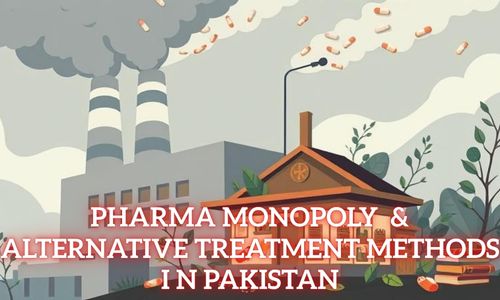
Pharma Monopoly & Alternative Treatment Methods in Pakistan
Pakistan’s healthcare landscape has become increasingly dominated by allopathic medicine, often perceived as the only legitimate form of treatment. Hospitals and private clinics across the country are heavily influenced by the pharmaceutical sector, with conventional drugs being prescribed as the default response to nearly all health complaints. This has created a systemic bias, leaving alternative treatment methods in the shadows.
Alternative Medicine in Pakistan: An Undervalued Heritage
Pakistan boasts a rich tradition of alternative healing systems, including Unani (Greek) medicine, homeopathy, Hijama (cupping therapy), acupuncture, and herbal treatments. These methods have been part of South Asian medical heritage for centuries. Despite their documented historical success and cost-effectiveness, they remain marginalized due to limited institutional support and the dominance of multinational pharmaceutical corporations.
Suppression of Alternative Treatments by Big Pharma in Pakistan
The pharmaceutical industry in Pakistan plays a significant role in sidelining alternative treatment options. With billions of rupees in annual profits at stake, pharma giants often engage in aggressive marketing, sponsorship of medical education, and lobbying within regulatory bodies to maintain their monopoly.
Financial Influence on Medical Education and Research
Medical colleges and research institutions in Pakistan receive substantial funding from pharmaceutical companies. This funding often dictates the curriculum and research priorities, resulting in a strong emphasis on chemical-based medicine while dismissing or completely ignoring non-allopathic methods.
Research on homeopathy, Hijama, or herbal remedies is rarely funded. This creates a gap in scientific validation, which then becomes the primary argument used by pharma-backed doctors to discredit these practices.
Lobbying and Regulation Control
Pharmaceutical companies maintain deep ties with government health agencies and policymakers. By influencing the Drug Regulatory Authority of Pakistan (DRAP) and similar organizations, they ensure that only their products are fast-tracked for approval, while herbal, Unani, and homeopathic remedies face delayed certifications, stricter regulations, or outright bans.
Moreover, licensing for Hijama practitioners or herbal clinics often involves long bureaucratic processes, unlike the streamlined procedures afforded to pharmaceutical companies. This creates a barrier to entry for alternative healers and further consolidates pharma’s dominance.
Pharma Funding and Media Blackout on Alternative Health
Mainstream media, often driven by advertisement revenue from pharmaceutical firms, rarely covers alternative treatment successes. TV channels, newspapers, and digital platforms give disproportionate visibility to pharma-sponsored doctors and clinics, while traditional medicine practitioners receive minimal to no coverage.
Documentaries or reports supporting alternative healing are often suppressed or discredited, either through defamation campaigns or by dismissing them as “unscientific.”
Case Studies of Suppressed Alternative Healing in Pakistan
The Homeopathy Decline Despite Widespread Usage
Although millions of Pakistanis use homeopathy, it continues to be undermined by the medical establishment. Homeopathic colleges receive little funding, and practitioners are often viewed with suspicion. Many qualified homeopaths report being discouraged from practicing, with licensing hurdles and constant monitoring by regulatory authorities.
Hijama Therapy Clinics Targeted and Regulated
Hijama, once encouraged by religious and prophetic traditions, has come under increasing scrutiny. Clinics offering cupping therapy are often targeted by health inspectors, forced to comply with standards that are neither well-defined nor uniformly enforced. The result is an unwelcoming environment for practitioners despite growing demand.
Herbal and Unani Remedies Discredited
Herbal medicine manufacturers face immense pressure to adhere to pharmaceutical-grade packaging and branding, which they often cannot afford. As a result, their products are dismissed as “unsafe” or “unregistered,” discouraging potential users. Unani physicians, despite having degrees and formal training, face marginalization and limited job prospects in public health institutions.
How Much Is the Pharma Industry Really Paying?
Estimates suggest that the pharmaceutical industry in Pakistan spends over PKR 40 billion annually on marketing, lobbying, and educational sponsorships. A significant portion of this budget goes towards suppressing awareness of alternative treatments. Doctors are incentivized with foreign trips, bonuses, and research grants to prescribe branded medicines. Hospitals receive bulk discounts and partnership offers, binding them further to pharma influence.
Additionally, many local non-government organizations (NGOs) and healthcare conferences that should support holistic healing methods are instead funded by pharma companies with strict agendas. This effectively silences voices advocating for broader treatment frameworks.
The Consequences of Pharmaceutical Monopoly in Healthcare
This imbalance has far-reaching consequences. The overreliance on synthetic medicine leads to:
-
Rising drug resistance
-
Increased side effects and chronic dependency
-
Economic burden on poor households
-
Loss of indigenous knowledge systems
Moreover, public trust in the healthcare system deteriorates when patients find no relief from recurring prescriptions but are denied access to affordable, time-tested alternatives.
Public Awareness and the Resurgence of Natural Healing
Despite suppression, there’s a growing public interest in natural healing methods. Online communities, social media influencers, and traditional healers are reclaiming the narrative. Patients dissatisfied with allopathic medicine increasingly turn to Hijama, Ayurveda, herbalism, and homeopathy. This resurgence, however, needs institutional support to become mainstream.
-
Public education campaigns
-
University programs on integrative medicine
-
Government subsidies for alternative treatment centers
Such initiatives can empower individuals to make informed decisions without being railroaded into pharma-sponsored healthcare.
What Needs to Change
To create a balanced healthcare system in Pakistan, the following steps are crucial:
-
Independent regulation of both pharmaceutical and alternative medicines
-
Equal funding for research in alternative therapies
-
Public access to education on all treatment options
-
Media neutrality in health journalism
-
Protection of traditional medical knowledge
The future of Pakistani healthcare must involve a pluralistic model that respects scientific validation and cultural heritage alike.








LEAVE A COMMENT