

Pakistan Goes Local
The Gaza war of 2023 had a significant impact on the global perception of Israeli products, leading to widespread boycotts. This was particularly evident in Pakistan, where there was a strong push towards the use of local products.
As the global boycott of Israeli products in 2023 was primarily a response to the conflict in Gaza, which saw a significant number of casualties. Here are some specific reasons that led to the boycott:
Humanitarian Concerns: The conflict in Gaza resulted in a high number of casualties, including women and children. This led to widespread condemnation and protests in more than 118 countries.
Political Solidarity: Many people around the world expressed their solidarity with Palestine by boycotting products and services that support Israel. This was part of the Boycott, Divestment, and Sanctions (BDS) movement set up in 2005 by a coalition of Palestinian civil society groups.
Social Media Influence: The boycott movement was predominantly driven by the youth and rapidly gained momentum on social media platforms. Hashtags and campaigns on platforms like TikTok played a significant role in spreading the message.
Consumer Power: Many consumers chose to express their condemnation using their purchasing power, opting to boycott products and services that support Israel.
University Protests: In the United States, students at several universities, including Columbia University in New York City, protested against Israel’s bombardment of Gaza. They also called for divestment from Columbia’s Tel Aviv campus.
Global Boycott of Israeli Products
The war on Gaza in 2023 led to boycott campaigns against brands perceived to support Israel¹. McDonald’s, for instance, missed sales targets due to boycotts against its products in some parts of the world over its perceived support for Israel. The company’s sales growth in the Middle East, China, and India stood at 0.7 percent in the last quarter of 2023, far below expectations. Other major corporations also experienced significant profit declines in the last 3 months of 2023.
Boycott Campaign in Pakistan
In Pakistan, a campaign was launched calling for the boycott of “Israeli and Jewish products”. This led to a decline in the sale of certain products allegedly manufactured by Jewish-owned companies. Social media platforms played a significant role in this boycott campaign, with hashtags like #boycottBankAlFalah trending.
Emergence of Local Products in Pakistan
In response to the boycotts, there was a surge in the popularity of local Pakistani brands. E-commerce trends in Pakistan showed an increase in the adoption of local products, with local alternatives for detergents, cosmetics, tea, coffee, chocolates, fast food, and beverages becoming popular choices. The number of online shoppers in Pakistan was anticipated to increase from 30 million in 2021 to 36 million by 2024, further boosting the local e-commerce industry.
Emergence of Local Brands
The boycott campaign against Israeli products in Pakistan led to the emergence and growth of several local brands. Here are some of them:
Detergents: Local brands like Sufi washing powder, Snow white laundry detergent, Surf Plus (a Haripur brand), and Imtiaz washing powder emerged as alternatives to international brands like Surf Excel and Ariel.
Selfcare Brands and Cosmetics: Local brands like Luscious Cosmetics, Zero Makeup, Olivia, Kala – Kola, Dabur Amla, Massarat Misbah Makeup, Sara Ali cosmetics, Medora, Sweet-touch, Co-Natural, Hemani and Hira Ali Beauty gained popularity as alternatives to international brands like Maybelline, L’oreal, and Garnier.
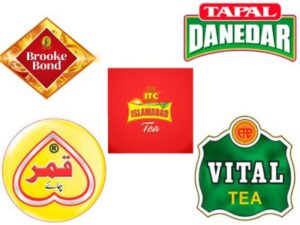
Tea: Local brands like Tapal, Meezan, and Vital tea became popular alternatives to Lipton Tea.
Coffee: With the boycott of Nescafe, Imtiaz supermarket began manufacturing its own blend of coffee.
Fast Food: The boycott of McDonald’s, KFC and other international chains led to a surge in the popularity of local restaurants.

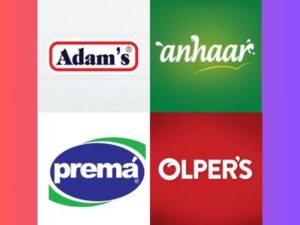
Dairy Products: Local dairy brands like Olper’s, Adams, Anhaar, Achha and Prema increased their market share as an alternative to Nestle Milkpak.
Soft Drinks: Local soft drink brands like Cola Next, Gourment Cola, Maza, Country juices and RC Cola increased their market share as an alternative to PEPSI and Coca Cola.
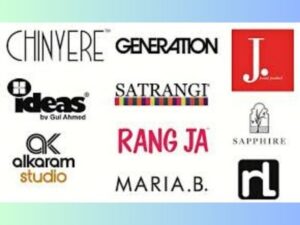
Clothing: Local clothing brands like Asim Jofa, Khaadi, Limelight, Bonanza, Maria B and others captured the clothing market share.
These local brands capitalized on the opportunity presented by the boycott and have seen a significant increase in their sales¹. The boycott also led to a greater appreciation for local products and a shift in consumer behavior towards supporting local industries.
Reception of Local Products
The reception of local products in the Pakistan market has been quite positive, driven by economic growth, the rise of e-commerce, expansion to medium-sized cities, and changing consumer behavior. However, challenges such as inflation and reduced spending power of consumers remain. Here are some key points:
Economic Growth: Despite facing challenges such as inflation, political tensions, and natural disasters, Pakistan’s economy showed an upward trend in FY 2022, registering a GDP growth up to 6%.
Informal Retailers & E-commerce: Small grocers and other informal shops have been key contributors to continued sales for the retail industry in Pakistan as they offer lower prices when compared to formal chain stores. The pandemic also fast-tracked the culture of online shopping due to the safety precautions that consumer had to follow.
Expansion to Medium Sized Cities: The country’s retail landscape is slowly changing, as Pakistan’s medium-sized cities are under the focus of modern and grocery retailers.
Consumer Behavior: Despite feeling purse-pinched, consumers still pursue online retail for purchases in order to browse through a wide range of products with prices ranging from cheap to expensive.
Future Growth: Retail is expected to grow at a steady rate over the forecast period in Pakistan, driven by the growth of the population and the growing middle class, despite an overall bleak economic outlook.
In summary, the Gaza war of 2023 had a profound impact on global consumer behavior, particularly in Pakistan, where it led to a shift towards local products and a boycott of brands perceived to support Israel. This has had significant implications for both global and local markets.
It’s important to note that while these boycotts had significant impacts on businesses, including shortened operating hours and reduced salaries for employees, economists suggested that the boycott’s impact was likely confined to franchises in specific countries rather than affecting the affected brands’ global headquarters.








LEAVE A COMMENT