
Light House Job
The image of a lighthouse keeper is romanticized in movies and books—someone tending the light amidst crashing waves and solitude. However, the reality of this profession, both in the past and present, is far more dynamic and demanding. Let’s dive into the historical significance, responsibilities, and myths surrounding this role to uncover the truth about being a lighthouse keeper.
Lighthouse Keepers
A lighthouse keeper is responsible for maintaining a lighthouse and ensuring it functions properly to guide ships safely. Traditionally, these individuals played a critical role in preventing maritime accidents, working tirelessly to ensure that the beacon remained a reliable source of light for mariners. Even as technology advances, some lighthouses still require human oversight.
Historical Significance of Lighthouse Keepers
Historically, lighthouse keepers were the unsung heroes of coastal navigation. Before automation, their vigilance saved countless lives by ensuring that ships avoided rocky shores and dangerous waters. Their duties often extended beyond simple light maintenance, as they became integral members of coastal communities.
Responsibilities of a Lighthouse Keeper
Ensuring the Lighthouse Is Functional
The core responsibility of a lighthouse keeper is to ensure that the beacon is operational at all times, especially in treacherous weather conditions. This involves meticulous attention to every detail of the lighthouse’s operations.
Maintenance of the Light Mechanism
Keeping the light in perfect working condition is no small task. Whether it’s cleaning lenses, replacing bulbs, or ensuring that the rotating mechanisms are lubricated, maintenance is continuous.
Monitoring Weather and Sea Conditions
Lighthouse keepers also keep a keen eye on weather patterns and sea conditions. This information is vital for ships navigating nearby and often requires daily logging.
Communication and Safety Duties
Beyond the technical aspects, lighthouse keepers serve as a critical communication link for mariners.
Alerting Mariners to Hazards
They issue warnings about nearby hazards, such as reefs, sandbars, or inclement weather, helping ships navigate safely.
Managing Emergency Situations
In emergencies, lighthouse keepers may serve as first responders, offering assistance to stranded sailors or coordinating rescue operations.
Misconceptions About Lighthouse Keeper Jobs
Despite their crucial role, lighthouse keeper jobs are surrounded by myths and misunderstandings.
Myth 1: It’s a Lonely, Isolated Job
While isolation was a factor in the past, modern lighthouse operations often involve teams and regular rotations, making the job less solitary than imagined.
Myth 2: The Role Is No Longer Relevant
Even with advances in GPS and automated lights, lighthouse keepers remain essential in regions with challenging weather, unreliable technology, or historical preservation needs.
Myth 3: It’s a Simple, Relaxing Career
Far from a leisurely occupation, this role demands physical labor, technical skills, and the ability to handle emergencies under pressure.
Realities of Being a Lighthouse Keeper
The truth about lighthouse keeping lies somewhere between the myths and the romanticized image.
Demanding Maintenance Work
Modern lighthouses require regular maintenance, involving both old-fashioned tools and advanced technology, to remain operational.
Collaboration in Modern Operations
Lighthouse keepers today often work in teams, splitting responsibilities and collaborating with maritime authorities.
A Blend of Technology and Tradition
While automation has reduced manual tasks, lighthouse keepers must still maintain historical features and operate modern systems, creating a unique blend of old and new.
The Evolution of Lighthouse Keeper Roles
Automation in Lighthouse Operations
Automation has transformed lighthouse operations, but not entirely replaced human oversight. Sensors, remote controls, and solar power have made operations more efficient, but human intuition and quick thinking remain irreplaceable.
In many places, lighthouse keeper jobs are tied to tourism, heritage preservation, and local government initiatives, offering a broader range of responsibilities than ever before.
Notorious Lighthouse – Eilean Mor Lighthouse
One of the most notorious and lethal lighthouses in the world is the Bishop Rock Lighthouse, located in the Atlantic Ocean near the Isles of Scilly, off the coast of Cornwall, England. However, the most infamous reputation for lethality and abandonment belongs to the Eilean Mor Lighthouse, part of the Flannan Isles in Scotland, due to its chilling history. Here’s why:
The Eilean Mor Lighthouse, constructed in 1899, is situated on the Flannan Isles, an isolated cluster of rocky isles. It gained its infamous reputation not for the physical dangers of the location alone but for the eerie and unexplained disappearance of its keepers in December 1900.

Why Is It Considered Lethal?
- Unforgiving Environment
- The Flannan Isles are surrounded by treacherous waters, frequent storms, and massive waves that can batter the structure. Strong currents and unpredictable weather make navigation and habitation on these isles perilous.
- Mysterious Disappearance of Keepers
- The disappearance of three lighthouse keepers—James Ducat, Thomas Marshall, and Donald McArthur—remains one of the most chilling maritime mysteries. The men vanished without a trace, leaving behind a logbook describing bizarre weather phenomena and an ominous sense of dread. No conclusive evidence explains what happened, but theories range from freak waves to supernatural occurrences.
- Isolation and Psychological Strain
- The lighthouse’s remote location made it highly isolating for keepers. The constant sound of crashing waves, howling winds, and long periods of solitude have been known to cause psychological stress, possibly contributing to tragic events.
No Permanent Human Presence Today
After the disappearance and subsequent automation of the lighthouse, no one stays on Eilean Mor permanently. Maintenance teams only visit occasionally, and even they report an unsettling atmosphere.
The Legacy of Eilean Mor
The combination of natural dangers, isolation, and an unsolved mystery has given Eilean Mor Lighthouse a reputation as one of the most lethal and uninhabitable lighthouses in the world. It remains a haunting reminder of the perilous life of lighthouse keepers and the unyielding power of nature.
Historical Lighthouses
Many historical lighthouses around the world remain operational today, combining their rich history with modern navigation technology. These structures have stood the test of time and continue to guide mariners safely. Below is a list of some notable historical lighthouses that are still working:
Tower of Hercules (Spain)
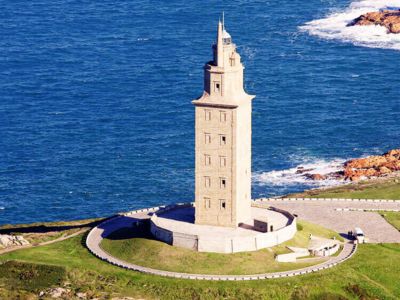
- Built: 2nd Century CE
- Location: A Coruña, Galicia, Spain
- Significance: The Tower of Hercules is the world’s oldest functioning lighthouse and a UNESCO World Heritage Site. Built by the Romans, it still operates as a maritime signal, guiding ships in the Atlantic Ocean.
Hook Lighthouse (Ireland)
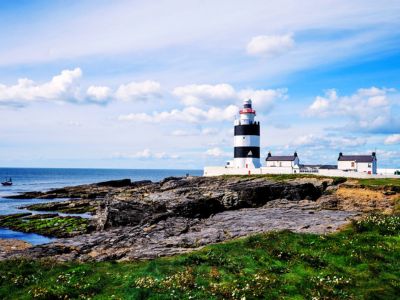
- Built: 12th Century
- Location: Wexford, Ireland
- Significance: Hook Lighthouse is one of the oldest continuously operating lighthouses in the world. Initially a monastic watchtower, it has guided sailors for over 800 years and still uses a modernized light system.
Eddystone Lighthouse (United Kingdom)
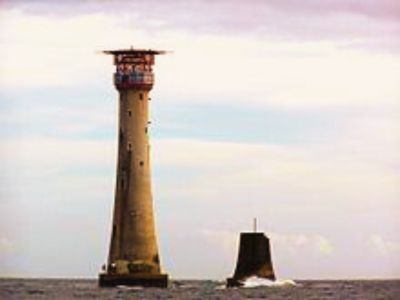
- Built: 1882 (current version; the first was in 1698)
- Location: Off the coast of Cornwall, England
- Significance: The Eddystone Lighthouse is the fourth structure built on this dangerous reef. It remains critical for navigation in the English Channel, with its automated system.
Cordouan Lighthouse (France)

- Built: 1611
- Location: Gironde Estuary, France
- Significance: Known as the “Versailles of the Sea,” Cordouan is a UNESCO World Heritage Site and the oldest lighthouse in France. It still functions, combining its historical charm with modern technology.
Cape Otway Lighthouse (Australia)

- Built: 1848
- Location: Victoria, Australia
- Significance: Often referred to as the “Beacon of Bass Strait,” this lighthouse is the oldest in mainland Australia and is still active, helping to guide ships through the dangerous waters of Bass Strait.
St. Augustine Lighthouse (USA)

- Built: 1874
- Location: St. Augustine, Florida, USA
- Significance: A historic lighthouse that is still operational, it plays an essential role in aiding navigation along Florida’s Atlantic coastline. It is also a popular tourist attraction.
Portland Head Light (USA)
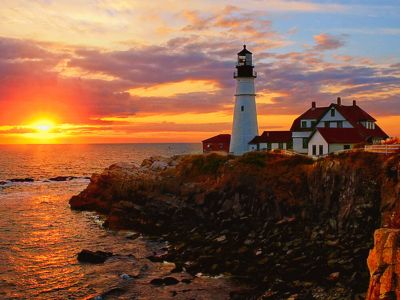
- Built: 1791
- Location: Cape Elizabeth, Maine, USA
- Significance: Commissioned by George Washington, this lighthouse is one of America’s oldest and still functions as a navigational aid for ships in Casco Bay.
Genoa Lighthouse (Italy)
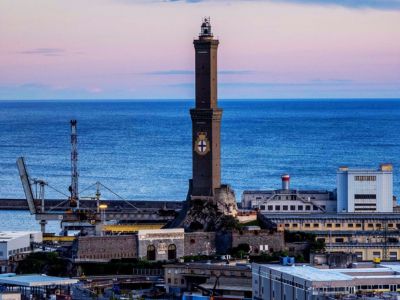
- Built: 1543 (current version; originally 1128)
- Location: Genoa, Italy
- Significance: Also called La Lanterna, this lighthouse is one of the tallest and oldest still in operation, serving as a symbol of Genoa and an active aid for Mediterranean navigation.
Galle Lighthouse (Sri Lanka)

- Built: 1939 (originally 1848)
- Location: Galle Fort, Sri Lanka
- Significance: Located within a UNESCO World Heritage Site, this lighthouse remains a key navigational aid on the southern coast of Sri Lanka.
Sambro Island Lighthouse (Canada)
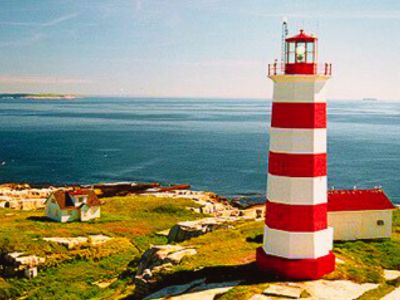
- Built: 1758
- Location: Halifax, Nova Scotia, Canada
- Significance: The oldest functioning lighthouse in North America, Sambro Island has been helping sailors navigate the waters of Halifax Harbor for over 260 years.
Peggy’s Cove Lighthouse (Canada)

- Built: 1915 (current version)
- Location: Nova Scotia, Canada
- Significance: Known for its iconic red and white design, this lighthouse continues to serve as a navigational aid while being a beloved tourist spot.
Faro de Colón (Dominican Republic)
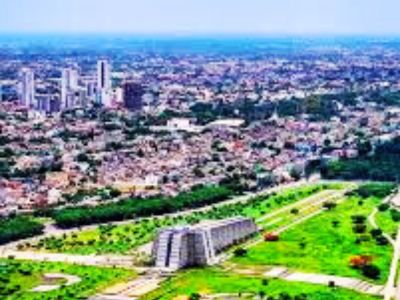
- Built: 19th Century
- Location: Santo Domingo, Dominican Republic
- Significance: Named after Christopher Columbus, this lighthouse serves both historical significance and maritime navigation in the Caribbean.
Cape Hatteras Lighthouse (USA)

- Built: 1870
- Location: Outer Banks, North Carolina, USA
- Significance: Famous for its black-and-white spiral design, Cape Hatteras is the tallest brick lighthouse in the USA and still active in guiding ships through the Graveyard of the Atlantic.
South Foreland Lighthouse (United Kingdom)

- Built: 1843
- Location: Dover, England
- Significance: A historic lighthouse known for pioneering the use of electric light, it remains functional and a tourist destination.
Les Éclaireurs Lighthouse (Argentina)

- Built: 1920
- Location: Beagle Channel, near Ushuaia, Argentina
- Significance: Known as the “Lighthouse at the End of the World,” this remote lighthouse still operates, aiding navigation near the southernmost tip of South America.
Start Point Lighthouse (England)
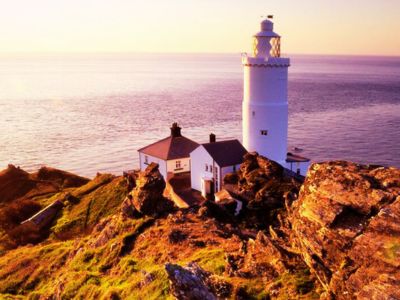
- Built: 1836
- Location: Devon, England
- Significance: Designed by James Walker, this lighthouse is still operational and serves as an essential aid for ships navigating the treacherous waters of Start Bay.
Cap Spartel Lighthouse (Morocco)
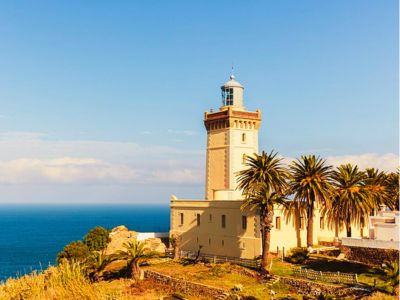
- Built: 1864
- Location: Cape Spartel, near Tangier, Morocco
- Significance: This lighthouse marks the entrance to the Strait of Gibraltar and remains an essential beacon for ships traveling between the Atlantic Ocean and the Mediterranean Sea.
Farol da Barra (Brazil)
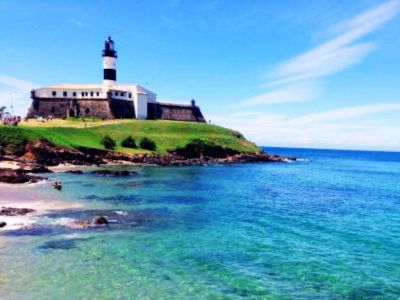
- Built: 1698
- Location: Salvador, Bahia, Brazil
- Significance: One of South America’s oldest lighthouses, it marks the entrance to All Saints’ Bay and is an iconic symbol of Brazilian maritime history.
These lighthouses showcase the enduring importance of these maritime structures. Despite technological advances, their historical charm and functional value continue to connect the past with the present.
The misconception that lighthouse keepers get isolated by staying there but in fact it is just a myth in the age of technology and modern advancements as they may no longer face the isolation or endless manual labor of their historical counterparts, but their role remains vital. Whether through maintaining the legacy of historical lighthouses or ensuring safe navigation in challenging areas, these individuals are far from obsolete.











LEAVE A COMMENT