

Importance of Water
OUTLINE
1: Introduction
2: The importance of water
(a) The role of water in the human body
(b) Water for agriculture and food production
(c) Water for energy production
(d) Water for industrial use
3: Water scarcity and its effects
(a) Causes of water scarcity
(b) Effects of water scarcity on human health
(c) Effects of water scarcity on the environment
(d) Economic impact of water scarcity
4: The need for water conservation
(a) Importance of conserving water
(b) Strategies for water conservation
(c) Efficient water use
(d) Water reuse and recycling
(e) Rainwater harvesting
(f) Policy and regulation
5: Conclusion
ESSAY
Water is one of the most essential elements for life on earth. It is vital for the survival of all living organisms, including humans, animals, and plants. However, despite its importance, many people take water for granted, using it carelessly without realizing its true value. This is where the quote, “We never know the worth of water till the well is dry,” becomes relevant. In this essay, we will explore the significance of water, the consequences of water scarcity, and the need for water conservation. The aim is to provide an in-depth understanding of the importance of water and the urgency of taking measures to conserve it. Water is a vital resource that plays a critical role in the functioning of ecosystems and the survival of all living organisms, including humans, animals, and plants. The importance of water can be highlighted in various ways, as discussed below:
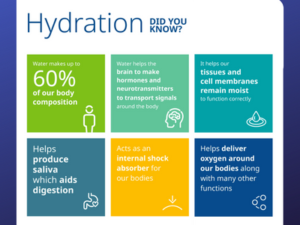
Firstly, water is a fundamental element in the human body. It makes up about 60% of the body and is essential for various bodily functions, including digestion, absorption, and circulation. Water helps to regulate body temperature, lubricate joints, and protect organs and tissues. A lack of water in the body can lead to dehydration, which can cause serious health problems such as fatigue, dizziness, and even death. Secondly, water is crucial for agriculture and food production. Irrigation systems and rainwater are used to water crops and provide water to livestock. Without water, many regions of the world would face food scarcity, and the livelihoods of millions of people who depend on agriculture for income would be affected. Water is also used in food processing and packaging industries, making it an essential resource for the food industry.
Thirdly, water is a key component in energy production. Hydroelectric power, which generates electricity from the movement of water, is an example of using water in energy production. Other forms of energy production, such as nuclear power and fossil fuel, also require significant amounts of water. Lastly, water is an essential resource for industrial use. Water is used in manufacturing processes, mining, and chemical production. It is also used in cooling systems in power plants and other industries. Without water, many industries would not be able to function, leading to significant economic losses.
In conclusion, water is a crucial resource that plays a vital role in various aspects of life, including human health, food production, energy production, and industrial processes. It is a finite resource, and its scarcity can lead to severe consequences for individuals, communities, and the environment. Therefore, it is essential to conserve water and use it efficiently to ensure that it is available for generations to come.
Water is essential for the human body and is involved in many physiological processes. The role of water in the human body can be highlighted in the following ways:
Firstly, water is a vital component of cells, tissues, and organs. It makes up about 60% of the body and is essential for the structure and function of cells. Water helps to maintain the shape and integrity of cells and is involved in the transport of nutrients and waste products in and out of cells. Secondly, water is essential for digestion and absorption of nutrients. It helps to break down food in the stomach and intestines, allowing the body to absorb the nutrients and energy it needs for proper functioning. Water also helps to prevent constipation and promote regular bowel movements.
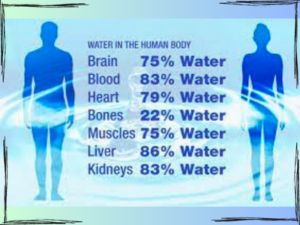
Thirdly, water is involved in regulating body temperature. The body uses water to sweat, which cools the body down during exercise or when exposed to hot temperatures. Water also helps to regulate body temperature by absorbing and releasing heat as needed. Fourthly, water is essential for lubricating joints. It helps to cushion and protect joints, reducing the risk of injury and joint pain. Water is also important for the spinal cord and brain, as it acts as a shock absorber and protects these delicate organs from injury. Lastly, water is important for the removal of waste products from the body. It helps to flush out toxins and waste products through urine, sweat, and feces. Water also helps to prevent the formation of kidney stones by flushing out excess minerals from the body.
In conclusion, water plays a critical role in the human body and is involved in many physiological processes. It is essential for the structure and function of cells, digestion and absorption of nutrients, regulation of body temperature, lubrication of joints, and removal of waste products from the body. Therefore, it is crucial to drink enough water to maintain proper bodily functions and prevent dehydration.
Water is a crucial resource for agriculture and food production, and it plays a critical role in ensuring food security and sustaining livelihoods. The role of water in agriculture and food production can be highlighted in the following ways:

Firstly, water is essential for crop production. Many crops require a significant amount of water to grow, and without adequate water, they may not survive. Irrigation systems are used to supply water to crops in areas with limited rainfall. Rainwater harvesting is also used to collect and store rainwater for later use in crop irrigation. Secondly, water is important for livestock production. Livestock require water for drinking and to maintain their health. Water is also used for cleaning and sanitation in animal housing and processing facilities.
Thirdly, water is necessary for food processing and preservation. Water is used in food processing for washing, cleaning, cooking, and cooling of food products. It is also used in food preservation methods such as canning and freezing. Fourthly, water is crucial for fisheries and aquaculture. Fish and other aquatic organisms require a clean and adequate supply of water for their survival and growth. Water is used in fish farms for maintaining water quality, feeding, and cleaning of fish tanks. Lastly, water is an essential resource for sustainable agriculture and food production. Sustainable practices such as drip irrigation, rainwater harvesting, and conservation agriculture aim to reduce water use and increase water efficiency in agriculture. These practices can help to conserve water resources and increase the resilience of food systems to climate change.
In conclusion, water is a vital resource for agriculture and food production, and its efficient use and management are critical for food security and sustainable development. Without adequate water, many regions of the world would face food scarcity and poverty. Therefore, it is essential to adopt sustainable practices in agriculture and promote efficient use of water to ensure the availability of water resources for future generations.
Water is an essential resource for energy production, and it plays a critical role in meeting the increasing demand for energy worldwide. The role of water in energy production can be highlighted in the following ways:

Firstly, water is used in hydropower generation. Hydropower plants use the kinetic energy of falling water to generate electricity. Water is stored in dams or reservoirs and released through turbines to produce electricity. Hydropower is a renewable source of energy, and it produces no greenhouse gases or air pollution. Secondly, water is used in thermal power generation. Thermal power plants use water to generate steam, which is used to drive turbines and produce electricity. Water is also used for cooling purposes, where large quantities of water are required to cool the steam after it has passed through the turbines. However, thermal power plants are water-intensive and can consume significant amounts of water.
Thirdly, water is used in nuclear power generation. Nuclear power plants use water for cooling purposes, where water is used to remove the heat produced during nuclear reactions. Water is also used as a moderator, which slows down the neutrons in the nuclear reactor and helps to sustain the nuclear chain reaction. Fourthly, water is used in renewable energy production. Renewable sources such as solar and wind energy require water for cleaning and maintenance of solar panels and wind turbines. Water is also used in the production of biofuels, which can be used as an alternative to fossil fuels. Lastly, water is an essential resource for energy security and sustainability. The availability and quality of water resources can affect the reliability and efficiency of energy production. Climate change can also impact water availability and increase the frequency and severity of droughts and floods, affecting the production of hydropower and thermal power.
In conclusion, water is a critical resource for energy production, and its efficient use and management are essential for energy security and sustainability. The adoption of renewable energy sources and sustainable practices can help to reduce the water use and environmental impacts of energy production. Furthermore, improving the efficiency of energy production and reducing water consumption can help to conserve water resources and ensure their availability for future generations.
Water is a crucial resource for industrial use, and it plays a significant role in various industrial processes. The role of water in industrial use can be highlighted in the following ways:
Firstly, water is used as a cooling agent in various industrial processes. Water is used in cooling towers, where it absorbs the heat generated during industrial processes and releases it into the atmosphere. Water is also used in refrigeration systems, where it is circulated through pipes to remove heat from the process. Secondly, water is used in manufacturing processes. Water is used as a solvent, where it dissolves or suspends the raw materials used in manufacturing processes. Water is also used in cleaning and sanitizing industrial equipment and facilities.
Thirdly, water is used in the production of energy. As discussed earlier, water is used in thermal power generation to generate steam and cool the steam after it passes through the turbines. Water is also used in the production of biofuels and hydrogen fuel cells. Fourthly, water is used in mining and resource extraction. Water is used in mining operations for dust suppression, ore processing, and extraction of minerals. Water is also used in oil and gas extraction processes, where it is injected into the ground to increase the pressure and extract oil or gas.
Lastly, water is an essential resource for sustainable industrial development. Sustainable practices such as water recycling, water conservation, and improved water management can help to reduce the water use and environmental impacts of industrial processes. Furthermore, adopting green technologies and cleaner production processes can help to reduce the water consumption and environmental impacts of industrial activities.
In conclusion, water is a vital resource for industrial use, and its efficient use and management are critical for sustainable development. The adoption of sustainable practices in industrial processes can help to reduce water use and environmental impacts and ensure the availability of water resources for future generations. It is essential to promote the efficient use of water in industrial activities and improve the management of water resources to ensure their sustainability.
Water scarcity refers to the situation where the demand for water exceeds the available supply of water in a particular area. Water scarcity is a growing global concern, affecting many regions and communities worldwide. The causes of water scarcity can be attributed to various factors, including climate change, population growth, and unsustainable water management practices. One of the primary causes of water scarcity is climate change. Climate change can lead to changes in precipitation patterns, causing droughts and affecting the availability of water resources. The melting of glaciers and snowpack can also lead to reduced water availability in many regions, affecting water supply for drinking, agriculture, and industry. Population growth is another factor contributing to water scarcity. The increase in the global population has led to an increase in demand for water, leading to overexploitation of water resources in many regions. In addition, the growth of urban areas and industrial activities has led to increased water consumption and pollution, further exacerbating water scarcity. Unsustainable water management practices are also contributing to water scarcity. The overuse of groundwater resources and the inefficient use of water in agriculture and industry can lead to the depletion of water resources and affect water quality. The lack of proper infrastructure for water storage, treatment, and distribution can also contribute to water scarcity in many regions.
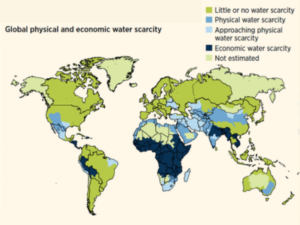
The impacts of water scarcity are widespread, affecting many aspects of human life, including health, food security, and economic development. The lack of access to clean water can lead to waterborne diseases, affecting the health and well-being of individuals and communities. Water scarcity can also affect food security, as agriculture is a water-intensive activity, and reduced water availability can lead to crop failures and food shortages. Furthermore, water scarcity can affect economic development, as industries rely on water for their operations, and reduced water availability can lead to reduced productivity and economic growth.
In conclusion, water scarcity is a growing global concern, and it is essential to address the underlying causes and promote sustainable water management practices. The adoption of sustainable practices in agriculture, industry, and water management can help to reduce water consumption and ensure the availability of water resources for future generations. It is crucial to promote water conservation, improve water infrastructure, and increase awareness of the importance of water resources to ensure their sustainability and equitable distribution.
Water scarcity is caused by various factors, including:
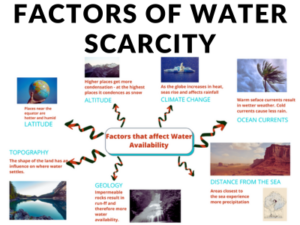
1: Climate change: Changes in precipitation patterns and increasing temperatures due to climate change can lead to droughts and decreased water availability. This can cause a significant impact on water resources, particularly in regions where water resources are already limited.
2: Population growth: The increase in global population has resulted in an increased demand for water. As more people require access to water, the demand for water has surpassed the available supply in many regions.
3: Overuse of water resources: The overuse of water resources, such as groundwater, can cause depletion and a decrease in water availability. Unsustainable water management practices can also lead to water pollution, which can affect the quality and availability of water resources.
4: Poor water infrastructure: Lack of proper infrastructure for water storage, treatment, and distribution can also contribute to water scarcity. Poor infrastructure can lead to loss of water due to leakage and inadequate treatment of water, leading to water shortages.
4: Urbanization and industrialization: Rapid urbanization and industrialization have led to an increase in water consumption, which has resulted in water scarcity in many regions. Industries require water for their operations, and the growing urban population requires water for domestic use.
5: Natural disasters: Natural disasters such as floods, hurricanes, and earthquakes can damage water supply infrastructure and lead to a reduction in water availability. This can cause significant impacts on water resources, particularly in areas that are already prone to water scarcity.
6: Inefficient water use: Inefficient water use in agriculture, industry, and domestic settings can also contribute to water scarcity. Water can be wasted through leaks and inefficient irrigation practices in agriculture, and inefficient industrial processes can lead to increased water use.
In conclusion, water scarcity is caused by various factors, including climate change, population growth, overuse of water resources, poor water infrastructure, urbanization and industrialization, natural disasters, and inefficient water use. Addressing these causes requires a combination of sustainable water management practices, increased awareness of the importance of water resources, and effective policies to ensure the equitable distribution and sustainability of water resources.
Water scarcity can have significant effects on human health. The lack of access to clean water and sanitation facilities can lead to the spread of waterborne diseases, malnutrition, and poor hygiene, affecting the health and well-being of individuals and communities. Here are some of the effects of water scarcity on human health:
1: Waterborne diseases: The lack of access to clean water and sanitation facilities can lead to the spread of waterborne diseases, such as cholera, typhoid, and dysentery. These diseases can cause severe dehydration, diarrhea, and even death, particularly in vulnerable populations such as children and the elderly.
2:Malnutrition: Water scarcity can lead to reduced agricultural productivity and food shortages, which can result in malnutrition and stunted growth in children. The lack of access to clean water for irrigation can also affect the quality of crops, leading to reduced nutrient content.
3:Poor hygiene: Water scarcity can lead to poor hygiene practices, as individuals may not have enough water to wash their hands, bathe, or clean their surroundings. This can increase the spread of waterborne diseases and other infectious diseases.
4: Mental health: The stress and anxiety associated with water scarcity can have significant impacts on mental health. People may experience stress and anxiety due to the uncertainty of water availability, the difficulty of obtaining water, and the impact of water scarcity on their daily lives.
5: Migration: Water scarcity can lead to forced migration, as people may have to move to areas with better water availability. This can cause social and economic disruption, affecting the health and well-being of individuals and communities.
In conclusion, water scarcity can have significant effects on human health, including the spread of waterborne diseases, malnutrition, poor hygiene, mental health, and forced migration. Addressing water scarcity requires a combination of sustainable water management practices, increased awareness of the importance of water resources, and effective policies to ensure the equitable distribution and sustainability of water resources.
Water scarcity can have significant effects on the environment, affecting ecosystems and biodiversity, as well as exacerbating the impacts of climate change. Here are some of the effects of water scarcity on the environment:

1: Ecosystems and biodiversity: Water scarcity can lead to the degradation and loss of freshwater ecosystems, including rivers, lakes, and wetlands. Reduced water availability can also impact plant and animal species that depend on freshwater habitats, leading to declines in biodiversity.
2: Soil erosion: Reduced water availability can lead to soil erosion, as vegetation cover may be reduced due to lack of water. This can lead to soil degradation, which can further impact agricultural productivity and natural ecosystems.
3: Climate change: Water scarcity can exacerbate the impacts of climate change, particularly in regions that are already vulnerable to its effects. Reduced water availability can lead to reduced carbon sequestration by forests and wetlands, which can contribute to further climate change impacts.
4: Land use change: Water scarcity can lead to land use changes, as people may convert forests and wetlands into agricultural land or urban areas to meet their water needs. This can further impact ecosystems and biodiversity, leading to habitat loss and fragmentation.
5: Energy production: Water scarcity can also affect energy production, particularly hydropower generation, which relies on a steady flow of water to generate electricity. Reduced water availability can also impact other forms of energy production, such as cooling of thermal power plants.
In conclusion, water scarcity can have significant effects on the environment, including the degradation of freshwater ecosystems, soil erosion, impacts on climate change, land use changes, and impacts on energy production. Addressing water scarcity requires a combination of sustainable water management practices, increased awareness of the importance of water resources, and effective policies to ensure the equitable distribution and sustainability of water resources.
Water scarcity can have significant economic impacts, affecting agriculture, industry, and overall economic development. Here are some of the economic impacts of water scarcity:
1: Agriculture: Agriculture is a major water user, and water scarcity can lead to reduced crop yields and productivity, affecting farmers’ incomes and overall food security. This can also lead to increased food prices and reduced export earnings in countries that rely on agriculture as a major source of income.
2: Industry: Many industries rely on water as a key input in their production processes, and water scarcity can lead to reduced productivity and increased costs. This can impact industries such as food and beverage, textiles, and paper and pulp, as well as energy production.
3: Tourism: Tourism is another sector that can be impacted by water scarcity, particularly in regions that rely on water-based activities such as beaches, lakes, and rivers. Reduced water availability can impact the tourism industry, affecting employment and economic growth.
4: Infrastructure: Water scarcity can also impact infrastructure, particularly in regions that rely on hydroelectric power. Reduced water availability can impact the reliability and efficiency of power generation, affecting electricity supply and overall economic development.
5: Health care: Water scarcity can also impact health care facilities, particularly in developing countries that may not have reliable access to clean water and sanitation facilities. This can impact the quality of health care services and the overall health outcomes of populations.
In conclusion, water scarcity can have significant economic impacts, affecting agriculture, industry, tourism, infrastructure, and health care. Addressing water scarcity requires a combination of sustainable water management practices, increased awareness of the importance of water resources, and effective policies to ensure the equitable distribution and sustainability of water resources, which can ultimately contribute to economic growth and development.
Water conservation is crucial to address the issue of water scarcity and ensure the sustainability of water resources for future generations. Here are some reasons why water conservation is needed:
1: Population growth: As the global population continues to grow, the demand for water is increasing, and water resources are becoming more scarce. Water conservation can help to meet the growing demand for water while ensuring that water resources are used sustainably.
2: Climate change: Climate change is exacerbating the issue of water scarcity, with more frequent and severe droughts, floods, and other extreme weather events. Water conservation can help to reduce the impact of climate change on water resources and build resilience to its effects.
3: Agriculture: Agriculture is a major water user, and water conservation can help to reduce water use in agricultural practices through the use of efficient irrigation techniques and crop selection. This can help to improve agricultural productivity and food security while reducing the impact of agriculture on water resources.
4: Industry: Many industries rely on water as a key input in their production processes, and water conservation can help to reduce water use in industrial practices through the use of efficient technologies and water reuse. This can help to improve productivity and reduce the impact of industry on water resources.
5: Ecosystems: Water conservation can help to protect and restore freshwater ecosystems, including rivers, lakes, and wetlands, which provide important services such as water purification, flood control, and habitat for wildlife.
In conclusion, water conservation is crucial to ensure the sustainability of water resources and address the issue of water scarcity. It is important to adopt sustainable water management practices and increase awareness of the importance of water resources, as well as implement effective policies to ensure the equitable distribution and sustainability of water resources. By conserving water, we can ensure that future generations have access to the water they need to live, work, and thrive.
Conserving water is essential for ensuring the sustainability of water resources and addressing the issue of water scarcity. Here are some of the reasons why conserving water is important:
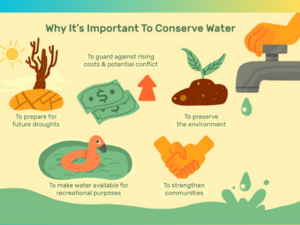
1: Protecting ecosystems: Water is essential for maintaining healthy ecosystems, including rivers, lakes, and wetlands. Conserving water helps to ensure that these ecosystems have the water they need to support wildlife, water quality, and other important ecological functions.
2: Addressing water scarcity: Water scarcity is a growing issue in many parts of the world, and conserving water is an important way to ensure that water resources are used sustainably and equitably. By reducing water use through conservation measures, we can help to address water scarcity and ensure that water is available for all.
3: Saving money: Conserving water can also help to save money, particularly for households and businesses that pay for water use. By using water more efficiently and reducing water waste, we can lower our water bills and save money over time.
4: Improving public health: Clean water is essential for public health, and conserving water can help to ensure that there is enough clean water available for drinking, sanitation, and other public health needs. By reducing water use and improving water efficiency, we can help to protect public health and prevent the spread of waterborne diseases.
5: Mitigating climate change: Water conservation can also help to mitigate the impacts of climate change, which is exacerbating the issue of water scarcity. By reducing water use and waste, we can help to reduce energy use and greenhouse gas emissions associated with pumping, treating, and heating water.
In conclusion, conserving water is important for protecting ecosystems, addressing water scarcity, saving money, improving public health, and mitigating climate change. By adopting sustainable water management practices and increasing awareness of the importance of water conservation, we can ensure that water resources are used sustainably and equitably for the benefit of all.
Water conservation is essential for ensuring the sustainability of water resources and addressing the issue of water scarcity. Here are some strategies for water conservation:
1: Fix leaks: Fixing leaks is one of the simplest and most effective ways to conserve water. Leaks can waste a significant amount of water over time, so it is important to regularly check for leaks and repair them promptly.
2: Use water-efficient fixtures and appliances: Using water-efficient fixtures and appliances can significantly reduce water use. Low-flow showerheads, faucets, and toilets, as well as energy-efficient washing machines and dishwashers, can all help to reduce water use and save money.
3: Practice efficient irrigation: Irrigation is a major water user in agriculture and landscaping, and practicing efficient irrigation can significantly reduce water use. Using drip irrigation, which delivers water directly to the roots of plants, as well as using rain barrels and other water harvesting techniques, can help to reduce water use in landscaping.
4: Use water wisely: Using water wisely is essential for conserving water. This includes turning off the tap when brushing teeth or washing dishes, taking shorter showers, and only running full loads in the dishwasher and washing machine.
5: Reuse water: Reusing water is another way to conserve water. Graywater, which is wastewater from sinks, showers, and washing machines, can be reused for irrigation or other non-potable uses. Similarly, treated wastewater, known as reclaimed water, can be used for a variety of purposes, including landscaping and industrial processes.
6: Implement water-efficient policies: Governments, businesses, and organizations can also implement water-efficient policies to conserve water. This includes implementing water-efficient building codes, promoting water-efficient technologies, and establishing water conservation programs and incentives.
In conclusion, conserving water is essential for ensuring the sustainability of water resources and addressing the issue of water scarcity. By implementing these strategies for water conservation, we can all do our part to conserve water and ensure that water resources are used sustainably and equitably for the benefit of all.
Efficient water use is essential for conserving water and addressing the issue of water scarcity. Here are some ways to use water efficiently:
1: Reduce outdoor water use: Outdoor water use, including landscaping and irrigation, is a major source of water use in many areas. To use water efficiently, consider planting drought-tolerant plants, using mulch to retain moisture in the soil, and only watering plants when necessary.
2: Use efficient fixtures and appliances: Using water-efficient fixtures and appliances is essential for efficient water use. Look for appliances with the WaterSense label, which indicates that they meet water efficiency standards set by the U.S. Environmental Protection Agency (EPA).
3: Practice water-saving habits: Simple water-saving habits can make a big difference in water use. These include taking shorter showers, turning off the tap while brushing teeth or shaving, and only running full loads in the dishwasher and washing machine.
4: Harvest rainwater: Harvesting rainwater is a great way to reduce water use. Rain barrels can be used to collect rainwater for use in irrigation, watering plants, and other non-potable uses.
5: Fix leaks promptly: Fixing leaks is essential for efficient water use. Even small leaks can waste a significant amount of water over time, so it is important to regularly check for leaks and repair them promptly.
6: Reuse water: Reusing water is another way to use water efficiently. Graywater, which is wastewater from sinks, showers, and washing machines, can be reused for irrigation or other non-potable uses. Similarly, treated wastewater, known as reclaimed water, can be used for a variety of purposes, including landscaping and industrial processes.
Efficient water use is essential for conserving water and addressing the issue of water scarcity. By adopting these practices, we can all do our part to use water efficiently and ensure that water resources are used sustainably and equitably for the benefit of all.
Water reuse and recycling is a crucial strategy for conserving water and addressing the issue of water scarcity. Here are some ways in which water can be reused and recycled:
1: Graywater reuse: Graywater is wastewater from sinks, showers, and washing machines that can be reused for non-potable purposes such as toilet flushing, irrigation, and laundry. Graywater reuse can significantly reduce water use and alleviate pressure on freshwater sources.
2: Reclaimed water: Reclaimed water is treated wastewater that meets specific water quality standards and is suitable for non-potable uses such as irrigation, landscaping, and industrial processes. Reclaimed water can be an important source of water in areas where freshwater resources are scarce.
3: Rainwater harvesting: Rainwater harvesting involves collecting and storing rainwater for use in irrigation, landscaping, and other non-potable uses. This can reduce demand on freshwater resources and reduce runoff that can contribute to flooding and erosion.
4: Industrial water reuse: Industries can also reuse and recycle water in their operations. This includes treating and reusing wastewater generated from industrial processes, as well as capturing and reusing water from cooling towers and other equipment.
5: Aquifer recharge: Aquifer recharge involves replenishing groundwater sources with recycled or reused water. This can help to ensure a sustainable supply of groundwater and reduce dependence on surface water sources.
Water reuse and recycling is an important strategy for conserving water and ensuring the sustainability of water resources. By implementing these practices, we can reduce demand on freshwater resources and ensure that water is used efficiently and sustainably for the benefit of all. However, it is important to ensure that reused and recycled water is treated to appropriate standards to protect public health and the environment.
Rainwater harvesting is the process of collecting and storing rainwater for future use. It is a simple and effective way to conserve water and reduce dependence on freshwater sources. Here are some key aspects of rainwater harvesting:
1: Collection: Rainwater can be collected from rooftops, gutters, and other surfaces using a system of pipes and channels. The collected water is then directed to a storage tank or cistern.
2: Storage: The storage tank or cistern should be made of a material that is safe for storing potable water, such as food-grade plastic or concrete. The tank should also be covered to prevent debris and animals from entering the tank and to reduce evaporation.
3: Treatment: Rainwater collected from rooftops can contain pollutants such as bird droppings, leaves, and other debris. Therefore, it is important to treat the water before use to remove these contaminants. Treatment methods include sedimentation, filtration, and disinfection.
4: Use: The collected and treated rainwater can be used for a variety of purposes, including irrigation, landscaping, flushing toilets, and even for drinking and cooking if properly treated and tested for safety.
5: Benefits: Rainwater harvesting offers several benefits, including reducing demand on freshwater resources, reducing runoff and erosion, and providing a sustainable source of water for non-potable uses. It can also help to reduce water bills and provide a backup source of water in the event of a water shortage or disruption in supply.
Rainwater harvesting is a simple and effective way to conserve water and reduce dependence on freshwater sources. It can be easily implemented by homeowners, businesses, and communities alike. However, it is important to ensure that the collected water is treated appropriately to ensure that it is safe for use. With proper planning and implementation, rainwater harvesting can be an important strategy for ensuring the sustainability of water resources.
Policy and regulation are critical tools for promoting water conservation and ensuring the sustainable use of water resources. Here are some key aspects of policy and regulation for water conservation:
1: Water allocation: Governments can regulate water use by allocating water to different users, such as households, industries, and farmers, based on their needs and the availability of water resources.
2: Water pricing: Water pricing policies can be used to encourage conservation by charging higher prices for excessive water use or for water use during peak demand periods.
3: Water efficiency standards: Governments can also establish water efficiency standards for appliances, fixtures, and buildings to reduce water consumption and promote conservation.
4: Education and outreach: Education and outreach programs can be used to raise awareness about the importance of water conservation and provide information on conservation strategies and best practices.
5: Incentives: Governments can provide financial incentives, such as tax credits or rebates, to encourage the adoption of water-efficient technologies and practices.
6: Enforcement: Effective enforcement of water regulations and policies is critical to ensuring compliance and promoting water conservation.
Policy and regulation can be powerful tools for promoting water conservation and ensuring the sustainable use of water resources. However, it is important to ensure that policies are based on sound science and take into account the needs and perspectives of all stakeholders. Effective policy and regulation must also be supported by strong institutions, enforcement mechanisms, and monitoring and evaluation systems. By implementing effective policies and regulations for water conservation, governments can help to ensure the availability of water resources for future generations.
In conclusion, the quote “We never know the worth of water till the well is dry” is a powerful reminder of the importance of water and the need to conserve and protect this vital resource. Water plays a critical role in our lives, from supporting human health and agriculture to powering our industries and generating energy. However, water scarcity is becoming an increasingly urgent issue, and the impacts of water scarcity on human health, the environment, and the economy are significant. To address this challenge, we must take action to conserve water, promote efficiency, and ensure the sustainable use of water resources. This requires a combination of individual actions, such as reducing water consumption at home, and collective efforts, such as implementing policies and regulations that promote water conservation. By recognizing the worth of water and taking steps to conserve and protect this precious resource, we can ensure that it remains available for future generations. As the world continues to face growing challenges related to water scarcity, we must work together to build a sustainable and resilient water future.












LEAVE A COMMENT