
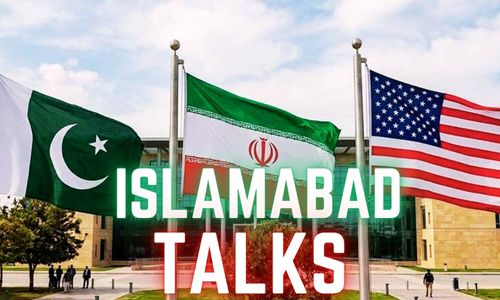
Islamabad Talks
In a stunning reversal of geopolitical fortunes, Pakistan has emerged as the central broker between the United States and Iran. Just six weeks after the outbreak of a devastating Iran war that has killed thousands and choked global oil supplies, the lights of Islamabad are shining brighter than those of New York, Geneva, or Beijing .
As delegations led by US Vice President JD Vance and Iranian Parliament Speaker Mohammad Bagher Ghalibaf touch down in the Pakistani capital, the world holds its breath. This weekend’s talks represent the first direct diplomatic off-ramp in a conflict that brought the Strait of Hormuz to a standstill .
Here is everything you need to know about the “Islamabad Talks,” the agenda, and whether peace is actually possible.
Why Pakistan? The Rise of an Unlikely Mediator
At first glance, Pakistan seems an unlikely candidate to mediate between the White House and the Supreme Leader. Islamabad has historically been a major US ally (a Major Non-NATO Ally) yet shares a 900km border with Iran and hosts the world’s second-largest Shia population .
However, it is precisely this balancing act that has made Prime Minister Shehbaz Sharif and Army Chief Field Marshal Asim Munir the go-to intermediaries.
Unlike the Gulf states, Pakistan hosts no US military bases, giving it credibility in Tehran . Furthermore, Islamabad refused to take sides during the initial conflict, condemning both US/Israeli strikes on Iran and Iranian retaliatory strikes on Gulf nations .
The Turning Point: Just hours before President Donald Trump’s deadline to “obliterate” Iranian infrastructure, PM Sharif made a frantic request: Extend the deadline for two weeks, and we will get them to the table. Iran simultaneously agreed to a goodwill gesture—reopening the Strait of Hormuz . This frantic diplomacy solidified Pakistan’s role as the “honest broker” .
Who is Coming for the Talks? (The Delegations)
The guest list for the Serena Hotel in Islamabad’s Red Zone reads like a who’s who of the current geopolitical landscape. Security has been locked down, with thousands of forces deployed to secure the venue .
The United States Delegation
-
Leader: Vice President JD Vance. His presence is significant. Iran reportedly viewed Trump’s initial envoys (Witkoff/Kushner) with suspicion due to past negotiating tactics, but sees Vance—a potential 2028 presidential contender—as more cautious regarding Middle East entanglement .
-
Key Members: Steve Witkoff (Trump’s top envoy) and Jared Kushner (Trump’s son-in-law) .
The Islamic Republic of Iran Delegation
-
Leader: Mohammad Bagher Ghalibaf (Parliament Speaker). A former IRGC commander, Ghalibaf represents the hardline military establishment that is actually fighting the war .
-
Key Member: Abbas Araghchi (Foreign Minister), the chief diplomat who has been handling the back-channel communications via Islamabad for weeks .
Pakistan’s Role
Deputy Prime Minister Ishaq Dar will facilitate the talks. Notably, the two sides are not expected to sit in the same room initially. Instead, Pakistani officials will practice “shuttle diplomacy,” carrying messages between floors of the hotel to bridge the gap .
The Agenda: What is on the Table?
The ceasefire is fragile. While the bombs paused for two weeks, Israel has intensified bombing in Lebanon, threatening to derail the entire process . The core agenda is split into three explosive topics:
1. The Strait of Hormuz (The Economy Issue)
Iran had effectively shut the strait of Hormuz (20% of global oil passes through it), spiking global energy prices. Tehran has agreed to reopen it during the truce, but they want long-term oversight or guarantees regarding passage rights .
2. The Nuclear File (The Red Line)
The US is demanding that Iran surrender its stockpile of enriched uranium. Iran has not officially agreed to this. However, the White House claims this is a “non-negotiable” demand for a final peace .
3. Lebanon (The Spoiler)
Iran insists that any ceasefire must include Lebanon. Tehran warns that if Israel keeps bombing Hezbollah, they will walk away. The US, however, has stated the Lebanon front is not covered by the current terms. This is the biggest immediate obstacle .
Iran’s 10-Point Plan
Tehran has arrived with a maximalist proposal that includes:
-
Withdrawal of US combat forces from the Middle East.
-
Iranian oversight of the Strait of Hormuz.
-
A halt to military operations against allied groups (Hezbollah, Houthis) .
Chances of Success: Can Pakistan Pull It Off?
The world is desperate for a win, but analysts are urging caution.
The Optimism (Why it might work):
-
Mutual Exhaustion: Both the US and Iran are showing “signs of fatigue.” The US doesn’t want a third major war in the Middle East, and Iran has suffered significant blows, including the loss of its Supreme Leader early in the conflict .
-
Pakistan’s Leverage: Unlike other mediators, Pakistan has unique “trust capital” with the Iranian Revolutionary Guard Corps (IRGC) and a security dialogue with the Pentagon that is rare among Muslim nations .
The Pessimism (Why it might fail):
-
The Trust Deficit: Just weeks ago, the US bombed Iran while Steve Witkoff was negotiating with them in Oman. Iran has not forgotten that betrayal .
-
The Israel Factor: Israel is not in the room. As long as Israel continues operations in Lebanon or Syria, they can effectively veto any peace deal by triggering a reaction from Tehran .
-
Maximalist Demands: As analyst Sahar Khan notes, “Both sides are trying to demonstrate that they ‘won’ by making maximalist demands” . Bridging the gap between “US withdrawal” and “Iran surrender” is a chasm.
The Verdict
Cautiously optimistic.
A final settlement this weekend is unlikely. However, a second, extended ceasefire or a breakthrough on humanitarian access or maritime security would be considered a massive success for Pakistan.
As one diplomat put it, “If Pakistan can keep the door open for 15 days without bombs falling, that is a victory for diplomacy” .
First Phase of Islamabad Talks
The first phase of the historic “Islamabad Talks” between the United States and Iran concluded early Sunday morning after an intense 21-hour marathon session, marking the first direct, high-level negotiations between the two adversaries since the 1979 Islamic Revolution .
While the talks ended without a final peace agreement, the mere fact that US Vice President JD Vance and Iranian Parliament Speaker Mohammad Bagher Ghalibaf sat in the same room—facilitated by Pakistan—represents a significant diplomatic milestone . However, deep divisions remain over Iran’s nuclear program and control of the strategic Strait of Hormuz .
Overview of the First Phase
The negotiations began on April 11, 2026, following a two-week ceasefire brokered by Pakistan just days earlier. The talks were held at an undisclosed location within Islamabad’s heavily fortified Red Zone, with security provided by thousands of Pakistani forces.
Who Participated: The Delegations
United States Delegation
-
Leader: Vice President JD Vance
-
Key Members: Special Envoy Steve Witkoff, Senior Adviser Jared Kushner
-
Vance remained in constant communication with President Donald Trump, speaking “a half dozen times, a dozen times” during the negotiations
Iranian Delegation
-
Leader: Parliament Speaker Mohammad Bagher Ghalibaf (former IRGC commander)
-
Key Members: Foreign Minister Abbas Araghchi, Supreme National Defense Council Secretary Ali Akbar Ahmadian, Central Bank Governor Abdolnaser Hemmati
-
The delegation comprised over 70 members
Pakistani Mediation Team
-
Deputy Prime Minister and Foreign Minister Ishaq Dar (lead facilitator)
-
Chief of Defence Forces/COAS Field Marshal Asim Munir
-
Interior Minister Mohsin Naqvi
-
Prime Minister Shehbaz Sharif met separately with both delegations
The Negotiation Process: From Indirect to Direct
The first phase followed a carefully choreographed diplomatic process:
Step 1: Separate Bilateral Meetings
Both delegations first held separate meetings with Pakistani Prime Minister Shehbaz Sharif, who “affirmed Pakistan’s sincere resolve to continue playing its role as a mediator to help build momentum towards achieving meaningful results” .
Step 2: Indirect Negotiations
The initial rounds involved “shuttle diplomacy,” with Pakistani officials carrying messages between the two sides. The delegations exchanged written texts—a cautious approach signaling both sides’ willingness to engage while managing deep mistrust .
Step 3: Face-to-Face Direct Talks
In a historic breakthrough, the two sides eventually agreed to direct, in-person negotiations—a format unseen in US-Iran relations for nearly five decades. Sources confirmed that Vance, Ghalibaf, Dar, and Field Marshal Munir participated in a face-to-face session .
Step 4: Technical-Level Discussions
Expert teams from both nations established specialized committees to work on technical details, particularly regarding nuclear program parameters and maritime security arrangements.
The Agenda: What Was on the Table
The talks addressed multiple contentious issues, with both sides presenting comprehensive proposals:
Iran’s Position (10-Point Plan)
According to Iranian state media and official statements, Tehran’s demands included :
-
Complete end to the war against Iran and in the region
-
Iranian control/management of the Strait of Hormuz with authority to charge fees
-
Lifting of all sanctions
-
Release of frozen Iranian assets (reportedly a precondition for talks)
-
War reparations/compensation for damage from US-Israeli strikes
-
Guaranteed end to Israeli military operations against Hezbollah in Lebanon
-
Recognition of Iran’s legitimate rights in the region
-
Nuclear program rights (rejection of demands to surrender enrichment capabilities)
-
Ceasefire extension with binding commitments
-
Regional security guarantees
United States Position (15-Point Plan)
The American side, backed by President Trump, presented demands focused on :
-
Iran’s commitment to not seek nuclear weapons
-
Surrender of enriched uranium stockpile
-
Unfettered IAEA access to nuclear facilities
-
Reopening of the Strait of Hormuz to international shipping
-
Joint or international control of the strait (rejecting Iran’s sole control demand)
-
End to Iranian support for regional proxies (Hezbollah, Houthis)
-
Verifiable commitments with enforcement mechanisms
The Major Sticking Points
Despite the historic engagement, fundamental differences prevented an agreement during the first phase.
1. The Strait of Hormuz – The Biggest Obstacle
The Financial Times reported that talks reached a “stalemate” over control of this strategic waterway, through which one-fifth of the world’s oil passes . Iran insisted on retaining sole control and the right to charge fees on maritime traffic, while the US rejected this and demanded joint or international management.
Iran’s View: “The US is making excessive demands regarding the Strait,” reported Iran’s Fars news agency .
US View: President Trump declared, “Whether we make a deal or not makes no difference to me. The reason is because we’ve won,” as he announced US warships had begun “clearing out” the strait .
2. Nuclear Program – The US “Red Line”
Vance stated unequivocally: “We need to see an affirmative commitment that they will not seek a nuclear weapon, and they will not seek the tools that would enable them to quickly achieve a nuclear weapon. That is the core goal of the president of the United States” .
Iran has consistently maintained its nuclear program is peaceful and rejected demands to surrender its capabilities .
3. Lebanon – The Spoiler
Iran insisted that any agreement must include a halt to Israeli strikes on Hezbollah in Lebanon. However, the US maintained that the Lebanese front was not covered by the current terms. Israel continued bombing Lebanon throughout the talks, with the death toll surpassing 2,000 .
4. Compensation and Sanctions
Tehran demanded war reparations and immediate sanctions relief, while Washington showed little willingness to discuss compensation for damage caused by US-Israeli strikes that launched the war on February 28.
The Outcome: No Agreement, But Process Continues
Vance’s Announcement
Early Sunday morning, Vice President Vance addressed reporters in Islamabad:
“The bad news is that we have not reached an agreement. And I think that’s bad news for Iran much more than it’s bad news for the United States. We leave here with a very simple proposal, a method of understanding that is our final and best offer. We’ll see if the Iranians accept it.”
Iran’s Response
Iranian officials pushed back, blaming US “unreasonable demands” for the deadlock. According to Iran’s Fars news agency, a source close to the delegation stated that the United States sought “through negotiation everything they couldn’t obtain during war” .
The Iranian embassy in Ghana posted on X:
“The US flew their Vice President halfway across the world to Islamabad. 21 hours of talks. They demanded everything they couldn’t achieve through war. Iran said a BIG NO. The talks are over. The Strait is still closed.”
Ceasefire Status
Critically, the two-week ceasefire remains intact for now. Pakistan’s Foreign Minister Ishaq Dar called on both parties to “continue to uphold their commitment to ceasefire” as mediation efforts continue.
Pakistan’s Mediation Role: Assessment
What Worked
-
Face-to-face engagement: Pakistan succeeded where other mediators failed by bringing the two sides into direct contact for the first time in decades
-
Trust capital: Both delegations met separately with Prime Minister Sharif and Field Marshal Munir, indicating respect for Pakistan’s unique position as a nation with ties to both Washington and Tehran
-
Technical framework: The establishment of expert-level committees and exchange of written texts provides a foundation for continued negotiations
Challenges Identified
-
Maximalist positions: Both sides arrived with comprehensive demands that left little room for compromise
-
External spoilers: Israeli military operations in Lebanon continued throughout the talks, undermining Iran’s trust
-
US military action: Simultaneous US naval operations in the Strait of Hormuz, including mine-clearing activities, created a tense parallel track.
Chances of Success in Subsequent Phases
Optimistic Indicators
-
Lines of communication are open – The ice has been broken; future talks will not require the same diplomatic heavy lifting
-
Ceasefire holding – As of now, no major violations have been reported
-
Technical groundwork laid – Expert teams have established working-level contacts
-
Continued Pakistani commitment – Islamabad has pledged to “continue facilitating the parties towards reaching a lasting solution”
Pessimistic Indicators
-
Widening gap on Hormuz – Neither side appears willing to compromise on control of this strategic waterway
-
Nuclear impasse – The US demand for “surrender” versus Iran’s “rights” framework appears irreconcilable
-
Israel factor – As long as Israel continues operations in Lebanon, Iran has little incentive to concede
-
Trump’s “take it or leave it” posture – Vance described the US offer as “final and best,” leaving no room for negotiation
Expert Assessment
The first phase should be viewed as a diplomatic icebreaker rather than a failed summit. While no agreement was reached, the mere occurrence of face-to-face talks between US and Iranian officials at this level is unprecedented since 1979.
As one Pakistani official noted, the atmosphere remained “normal” and “positive” throughout much of the negotiations, with both sides engaging in “good faith” . The fact that technical-level discussions are expected to continue suggests that the process—even if stalled—has not collapsed.
What’s Next
-
Expert-level follow-up: Technical teams from both sides are expected to continue working on revised proposals
-
Potential second phase: Reports suggest another round of talks may be scheduled, though no dates have been announced
-
Ceasefire watch: The two-week truce remains in effect, but its durability depends on continued restraint from all parties, including Israel
-
Israel-Lebanon negotiations: Separate talks between Israel and Lebanon are scheduled to begin in Washington, which could reduce one major obstacle.
The first phase of the Islamabad Talks succeeded in its most basic objective: getting the United States and Iran into the same room for direct, sustained dialogue. After 21 hours of negotiations, the two sides understand each other’s “red lines” with far greater clarity.
However, the gap between those red lines remains significant. Iran seeks recognition, compensation, and regional influence; the US demands nuclear capitulation and strategic surrender. Bridging this chasm will require creative diplomacy, mutual concessions, and—most critically—a halt to the violence in Lebanon that threatens to derail the entire process.
For Pakistan, the outcome is a qualified success. Islamabad has established itself as an indispensable mediator, earning respect from both Washington and Tehran. Whether this diplomatic capital can translate into a lasting peace agreement remains to be seen.
Chances of Second Phase of Islamabad Talks
As the initial two-week ceasefire nears its expiration on April 21, the diplomatic clock is ticking. Tensions remain high, with the US maintaining a naval blockade on Iranian ports and President Trump warning that “unfortunately we’ll have to start dropping bombs again” if the talks fail.
However, there are signs of renewed hope. A second round of talks is likely to be held in Islamabad on April 20, with both delegations expected to return. Crucially, recent confidence-building measures have restored some momentum. A separate ceasefire between Israel and Lebanon was announced, and Iran took the reciprocal step of reopening the Strait of Hormuz to commercial shipping—developments seen as essential for keeping the dialogue alive.
Despite the inconclusive first round, diplomatic activity has only intensified. Pakistan’s leadership, including Prime Minister Shehbaz Sharif and Chief of Army Staff Field Marshal Asim Munir, has launched a multi-pronged campaign to secure a breakthrough. A critical element of Islamabad’s proposal is a framework for third-party monitoring of Iran’s nuclear program, involving four nations alongside the International Atomic Energy Agency (IAEA). Iranian sources have confirmed that Tehran has, in principle, agreed to this proposal.
The discussions have also shifted towards a more realistic, two-step approach: an interim memorandum of understanding (MoU) to halt the conflict. Under this plan, the two sides would have 60 days to negotiate a final, comprehensive deal, with technical experts and the IAEA playing key roles. Financial incentives are also being discussed. Reports indicate that the US is considering the release of $20 billion in frozen Iranian funds in exchange for Iran giving up its enriched uranium stockpile, signaling that a cash-for-uranium deal could be a central component of a final agreement.
Pakistan’s Multi-Front Diplomacy: A Unified Push for Peace
Islamabad’s efforts are not limited to shuttle diplomacy between Washington and Tehran. The Pakistani leadership has taken its message to the wider region to build a coalition for peace. Prime Minister Shehbaz Sharif has embarked on a regional tour to Saudi Arabia, Qatar, and Türkiye, securing support for the de-escalation and diplomatic process. Simultaneously, Chief of Army Staff Asim Munir is in Tehran, holding high-stakes talks with Iranian leaders, and may soon travel to Washington for direct discussions with President Trump. This unified, multi-front approach—involving both the civilian and military leadership—is a testament to Pakistan’s singular focus on achieving a diplomatic miracle.
Challenges on the Road to Peace
The path to a firm deal remains fraught with challenges. The two-week ceasefire brokered by Pakistan on April 8 is set to expire on April 22, creating an urgent deadline. On the ground, tensions are high, with the US enforcing a naval blockade on Iranian ports and Iran threatening to block the Strait of Hormuz and other critical waterways in response.
Furthermore, the core issue of Iran’s nuclear program is deeply complex. While the US is pushing for long-term curbs and the removal of enriched uranium, Iran insists on its right to a peaceful nuclear program and seeks sanctions relief. These differences are substantial, but the fact that both sides remain engaged in backchannel communication through Pakistan offers a glimmer of hope that a compromise can be found.
Why a Deal Matters for Everyone
The stakes of these negotiations could not be higher. A successful peace deal would not only end a devastating war that has claimed thousands of lives but would also stabilize global energy markets and prevent a wider regional catastrophe. The international community has rallied behind Pakistan’s efforts. UN Secretary-General Antonio Guterres has expressed “sincere appreciation” for Pakistan’s mediation, and leaders from the European Union, Germany, and Malaysia have praised Islamabad’s “tireless and courageous diplomacy”. This is a moment for the world to support dialogue over conflict.
Global Implications and the Road to Stability
The outcome of these peace efforts will have profound consequences far beyond the Middle East. An escalation could send oil prices soaring and destabilize the global economy, while a successful agreement could reshape regional alliances and potentially pave the way for a new security architecture.
President Trump has even hinted that he may travel to Islamabad “if a final agreement is signed there,” underscoring the high stakes involved.
While significant hurdles remain, the Islamabad Talks have proven that direct communication is possible. For now, the world waits, cautiously optimistic that the peace efforts for the Iran war will ultimately succeed in turning a fragile truce into a lasting peace.
A Nation’s Pivotal Moment
As the world waits with bated breath, Pakistan stands at a pivotal moment in its history. The nation has taken on a monumental task, one that could define its global standing for decades to come. The road ahead is uncertain, but Pakistan’s role as a peacemaker is now undeniable. Whether the Islamabad Talks will ultimately yield a firm deal remains to be seen, but one thing is clear: Pakistan has emerged as a central architect of peace, working tirelessly to guide the United States and Iran away from the brink of war and toward a more stable and secure future. The next few days will be critical. The world is watching, and for now, it is looking to Islamabad.
The ceasefire holds—for now. The world waits for Phase Two.
Why Islamabad Talks Postponed?
Despite Pakistan’s strongest efforts to position itself as the central peace broker between the United States and Iran, the Islamabad talks have stalled dramatically. The second round of high-stakes negotiations, initially scheduled to build on the fragile engagement of mid-April, unraveled spectacularly over the last weekend of April 2026.
Here’s an in-depth analysis of why the talks were postponed, how it has severely dented Pakistan’s international peace efforts, and the sharp criticism Islamabad is facing from Tehran.
1. The US Naval Blockade (Iran’s Core Condition)
The primary reason for the postponement was Tehran’s categorical refusal to negotiate while facing American military pressure. Iran demanded the immediate lifting of the US naval blockade on Iranian ports in the Strait of Hormuz before any new talks could occur, viewing the blockade as a direct violation of the existing ceasefire. Iran’s military command (Khatam al-Anbiya) warned of severe retaliation if the “blockade, banditry and piracy” continued, hardening Tehran’s stance against diplomacy under duress. Following the failed first round of talks, the US actually escalated its maritime presence, expanding control of the Strait of Hormuz and blocking Iranian commercial vessels, which Tehran viewed as a breach of trust and a show of bad faith.
2. Iran Declines to Attend
In a significant blow to Pakistan, Tehran made it clear that no direct talks with US officials would take place in Islamabad unless its conditions were met first. The Iranians refused to meet the American delegation physically, insisting they would only consult with the Pakistani side to convey their considerations regarding ending the conflict, rather than engaging in direct negotiations.
3. Trump Calls Off the US Delegation
Once Iran signaled that direct talks were off the table, US President Donald Trump cancelled the planned trip of his high-level envoys (Steve Witkoff and Jared Kushner) hours before their departure. Trump famously stated that he would not send his team on an “eighteen-hour trip to sit and talk about nothing,” adding that the United States “holds all the cards” and that Iran could “call us” if they want a deal.
4. The “Distorted Messaging” Allegations
Behind the scenes, Pakistan lost the trust of the Iranian side due to allegations of faulty communication. Diplomatic sources reported that Tehran has serious suspicions that Islamabad had been “conveying inaccurate or distorted messages between the two adversaries,” and that, “Pakistan has been sharing the details of private, high-level discussions held with Iranian officials directly with the US government”. This erosion of confidentiality made Iran unwilling to continue using Pakistan as a channel.
Impact on Pakistan
The collapse has left Pakistan’s diplomatic standing bruised and has highlighted the limits of its geopolitical influence.
1. The “Mediator” Became a “Messenger”
Pakistan had aspirations of being the indispensable hinge of US-Iran diplomacy. Instead, analysts argue it was reduced to a failing “public relations exercise”. Retired Naval Captain Shyam Kumar noted that while Pakistan claims to represent interests, its role is largely limited to that of a “messenger” shuttling letters, rather than a genuine broker shaping the deal.
2. The “Islamabad Lockdown” Fiasco
The domestic cost was immense. Islamabad was placed under a virtual lockdown for nearly a week, with the Red Zone sealed, thousands of security personnel deployed, and daily life suspended. When the delegations cancelled, the city had been brought to a standstill for guests where “one side doesn’t trust us, and the other treats us merely as a convenience”. The security lockdown was lifted on April 26, and the luxury hotels that had been cleared out for the delegations began taking regular reservations again—a symbolic admission of diplomatic failure.
3. Bypassed for Oman
The most humiliating aspect for Islamabad was being sidelined immediately by the very parties it was trying to unite. Within days of hosting both sides, Pakistan found itself bypassed for Oman—a nation with a long-standing history of successful mediation and higher levels of trust from Tehran. Iranian Foreign Minister Abbas Araghchi discreetly shifted from Islamabad to Muscat, where he met the Sultan, signaling that “Tehran trusts Oman in a way it does not trust Pakistan”. Pakistan’s Army Chief, General Asim Munir, flew to Muscat in what was described as a “desperate attempt” to revive the peace process and restore Pakistan’s fading relevance.
Iran’s Criticism on Pakistan’s Mediation Role
Iran’s frustration has boiled over into the public domain, with senior leaders launching scathing critiques of Islamabad’s neutrality and capability.
1. “Not a Suitable Mediator” (Ebrahim Rezaei)
Perhaps the sharpest criticism came from Ebrahim Rezaei, spokesperson for Iran’s parliamentary National Security Commission. In a public statement, Rezaei declared: “Pakistan is a good friend and neighbour of ours, but it is not a suitable mediator for negotiations and lacks the necessary credibility”. Rezaei specifically accused Pakistani officials of aligning their positions with the interests of Donald Trump, claiming they refuse to speak against the Americans’ wishes or acknowledge that the US retreated from earlier proposals.
2. The “Strategic Mistake” (Mahmoud Nabavian)
Mahmoud Nabavian, a member of the Iranian Parliament’s National Security Committee, went a step further. He publicly stated that putting the nuclear issue on the negotiation table in Pakistan was a “strategic mistake” . He argued that by allowing the US to demand the removal of enriched uranium in Islamabad, “the enemy became bolder,” and this backfired on Iran’s leverage.
3. Accusations of a “Double Game”
Iranian state media has accused Islamabad of playing a “double game.” The accusation is that while Pakistan offers mediation publicly to gain prestige, it remains secretly aligned with US strategic interests. Iran’s Foreign Ministry spokesperson Esmaeil Baghaei told IRIB: “We entered negotiations in good faith, but the success of this process depends on the seriousness of the mediator to convey positions accurately, not to facilitate ‘excessive demands’ from the American side”.
4. “Diplomatic Drama” and “Strategic Ploy”
Perhaps the most damaging critique is Tehran’s view that the Pakistan-hosted talks were a “strategic ploy.” A report in Geopolitico, cited widely by Indian media, noted that Tehran suspects Islamabad of assisting the US in creating a “diplomatic drama” to buy time for American military forces to “remobilize and reposition” resources in the region while Iran was distracted by the negotiations.
A Fractured Channel
The postponement of the Islamabad Talks represents a significant reputational loss for Pakistan. While the country was initially praised for bringing two arch-enemies to the table, it ultimately failed to translate that access into a tangible peace process.
-
For Iran: Pakistan is no longer viewed as an honest broker, but rather as a country that is structurally inclined to bend to American pressure.
-
For the US: Pakistan’s primary utility was as a venue; when the Iranians refused to engage, Washington moved on instantly.
-
For Pakistan: The country now faces a geopolitical reality where Oman and Russia are becoming the preferred channels for negotiation, while Islamabad is left defending a ceasefire that is holding by a thread but going nowhere.
As one analyst put it, Pakistan “possesses none of the trust” required for true mediation. The dream of becoming the indispensable hinge has, for now, slipped away.
Chances of Any Future Talks
further peace talks in Islamabad are highly unlikely in the immediate future. After a week of diplomatic drama, the capital has returned to normal, with no concrete plans for another round of face-to-face negotiations. However, the door is not completely shut; the “Islamabad Process” has merely shifted to a quieter, less public phase.
As the spotlight on Islamabad has dimmed, other diplomatic players have stepped into the void.
-
Oman has emerged as the new preferred venue, especially from Iran’s perspective. The country is viewed as a more trustworthy mediator by Tehran, and its capital, Muscat, has become a primary hub for consultations.
-
Russia has also joined the fray. Iranian Foreign Minister Araghchi traveled to Moscow to meet with President Putin, seeking support and broadening the diplomatic front.
-
The United States has declared a “direct line” policy. President Trump stated that Washington will no longer send delegations on lengthy trips to Islamabad, telling Iran, “If they want to talk, they can come to us, or they can call us”.
What is Pakistan’s Role Now?
This is the critical question. While Pakistan is not hosting formal talks, it hasn’t been entirely sidelined. It has taken on a more modest but still important role: that of a courier.
-
Remote Drafting: Pakistani officials are facilitating the remote negotiation of a draft agreement. The plan is to build a consensus on the language of a deal through indirect contact before any leaders are asked to travel again.
-
Message Conduit: A Pakistani source confirmed that negotiations are taking place remotely, and “the draft will be negotiated remotely till they reach some consensus”. Islamabad’s primary function for now is to keep these communication lines open.
The Prognosis: Looking Ahead
The silence in Islamabad isn’t necessarily a sign of complete failure, but rather a recalibration of strategy. The immediate chances for a breakthrough in Islamabad are low, but the process itself is not dead. It has simply entered a new, more complex phase of prolonged, multi-channel negotiation.
The failure to restart talks in Islamabad has revealed a crisis of trust and has called into question Pakistan’s status as a truly neutral mediator. The path to a peaceful resolution is now longer and more uncertain than before.











LEAVE A COMMENT