

Impact of Imperialist Designs over World Politics
ESSAY OUTLINE
1. Introduction
- Hook: The global political landscape today appears increasingly fractured, mistrustful, and conflict-ridden compared to previous eras.
- Background Information: Brief overview of imperialism as a historic force shaping international relations, and how its legacy continues to influence modern geopolitics.
- Thesis Statement: The rise in derision and antagonism in world politics largely stems from ongoing imperialist designs by powerful nations, which exacerbate divisions, fuel conflicts, and undermine cooperative global governance.
2. Historical Context of Imperialism and Its Legacy
- A. Definition and motives of imperialism: Economic exploitation, political control, and cultural dominance.
- B. Colonialism’s long-term impact on global power structures: Creation of unequal states, arbitrary borders, and economic dependency.
- C. Continuation of imperialist policies through neo-colonialism and economic dominance.
3. How Imperialist Designs Fuel Derisiveness in World Politics
- A. Competition for resources and spheres of influence: Imperialist strategies intensify rivalry among major powers.
- B. Manipulation of smaller states: Powerful nations exploit weaker countries, fostering resentment and instability.
- C. Use of proxy conflicts and military interventions: Imperialist interests provoke wars and political polarization.
4. Examples of Imperialist Designs Shaping Current Global Politics
- A. U.S. interventions in the Middle East and Latin America: Pursuit of strategic and economic interests at the cost of regional stability.
- B. China’s Belt and Road Initiative: Viewed by some as economic imperialism creating dependency.
- C. Russia’s geopolitical moves in Eastern Europe: Imperial ambitions rekindling Cold War tensions.
5. Impact on International Cooperation and Global Governance
- A. Undermining multilateral institutions: Imperialist rivalries weaken the UN, WTO, and other bodies.
- B. Rising nationalism and protectionism: Imperialist competition fuels populist and isolationist policies.
- C. Erosion of trust and diplomacy: Suspicion among nations hinders conflict resolution and collaborative problem-solving.
6. Counterarguments: Instances of Cooperation and Change
- A. Global efforts addressing climate change and pandemics: Examples of multilateral collaboration despite imperialist tensions.
- B. Regional alliances and diplomacy efforts: Attempts to balance imperialist influences through collective security and economic partnerships.
- C. Growing awareness and resistance to imperialism: Movements for decolonization and fairer global relations.
7. Pathways to Reduce Imperialist Derision in World Politics
- A. Promoting equitable international relations and respect for sovereignty: Challenging imperialist dominance and ensuring equal partnerships.
- B. Strengthening global institutions for accountability and cooperation: Reforming UN and trade organizations for fairness.
- C. Encouraging dialogue and diplomacy over military and economic coercion: Prioritizing peaceful conflict resolution.
8. Conclusion
- Restate Thesis: Imperialist designs have significantly contributed to the increasingly derisive nature of world politics by fostering rivalry, instability, and distrust.
- Call to Action: The global community must actively challenge imperialist legacies through reform, cooperation, and mutual respect to build a more peaceful and just international order.
ESSAY
The global political landscape today appears more fractured, mistrustful, and conflict-ridden than in many previous eras. Longstanding rivalries, power struggles, and ideological clashes have intensified, often leading to diplomatic deadlocks and armed confrontations. This turbulence is not accidental; it traces back to the historic force of imperialism—where powerful nations extended control over others for economic gain, political dominance, and cultural influence. Though formal colonialism has largely ended, imperialism’s legacy continues to shape modern geopolitics. Today’s tensions reflect ongoing imperialist designs by influential states, which deepen divisions, spark conflicts, and hinder the ability of nations to cooperate effectively on global challenges. Thus, the rise in derision and antagonism in world politics largely stems from these persistent imperialist ambitions that prioritize dominance over dialogue and exploitation over equity.
European powers deliberately pursued imperialism to exploit resources, expand political influence, and impose cultural hegemony. Britain established colonies to extract raw materials for its Industrial Revolution, while France imposed its language and administrative systems across West Africa. These empires systematically dismantled indigenous economic systems to serve colonial interests, creating dependency that would persist for generations.
Colonial powers carved up continents with no regard for ethnic or cultural realities, drawing arbitrary borders that continue to fuel conflicts today. The British partition of India and Palestine created lasting territorial disputes, while Belgium’s divide-and-rule tactics in Rwanda laid groundwork for genocide. Imperial powers deliberately underdeveloped colonies as resource-extraction zones, leaving behind economies that still export raw materials but cannot process them.
Former colonial powers maintain economic dominance through unequal trade agreements and debt diplomacy. France continues controlling the CFA franc currency in 14 African nations, while multinational corporations extract wealth from the Global South with minimal local benefit. International financial institutions impose structural adjustment programs that force developing nations to prioritize debt repayment over social services, perpetuating colonial-era power imbalances.
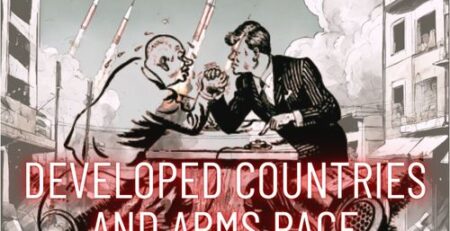
Major powers aggressively pursue imperialist strategies to control valuable resources and strategic territories, heightening global tensions. The United States and China engage in fierce competition over rare earth minerals in Africa, while Russia and NATO vie for dominance in Eastern Europe and the Middle East. These rivalries provoke arms races, trade wars, and diplomatic standoffs that destabilize international relations.
Wealthy nations systematically exploit weaker countries through unequal treaties and coercive diplomacy. Western corporations extract natural resources from developing nations while offering minimal compensation, perpetuating economic subjugation. Powerful governments install puppet regimes that prioritize foreign interests over local needs, breeding deep-seated resentment among oppressed populations.
Imperialist nations routinely instigate regional conflicts to advance their geopolitical agendas. The U.S. and Russia arm opposing factions in Syria’s civil war, transforming the conflict into a bloody proxy battle. France maintains military bases across former African colonies, frequently intervening to protect corporate interests under the guise of peacekeeping. These interventions deliberately inflame ethnic and religious divisions to maintain imperialist control.
The United States consistently pursues military interventions that prioritize its strategic interests over regional stability. Washington orchestrated regime changes in Iraq and Libya to secure oil resources, creating power vacuums that fueled terrorism and civil wars. In Latin America, the CIA actively undermined democratically elected governments in Chile and Nicaragua to install US-friendly regimes that opened markets to American corporations. These interventions deliberately sacrifice long-term stability for short-term economic and geopolitical gains.
China strategically deploys its Belt and Road Initiative to establish economic dominance across Asia, Africa, and Europe. Beijing imposes predatory loan agreements that burden developing nations with unsustainable debt, forcing them to concede strategic assets when defaults occur. The initiative deliberately targets key ports and transportation hubs, allowing China to control critical trade routes while creating political leverage over participating countries. This neo-colonial approach mirrors historical imperialist tactics under the guise of “mutual development.”
The Kremlin aggressively asserts its imperial ambitions through military force and energy politics. Russia illegally annexed Crimea and continues fueling separatist movements in eastern Ukraine to maintain regional dominance. Moscow weaponizes natural gas supplies to pressure European nations, while systematically undermining NATO expansion through cyber warfare and disinformation campaigns. These actions deliberately recreate a Russian sphere of influence reminiscent of Soviet-era imperialism.
Major powers deliberately weaken international organizations when these bodies challenge their imperial interests. The United States routinely bypasses the UN Security Council to launch unilateral military interventions, while China manipulates WTO rules to protect its state-sponsored industries. Russia consistently vetoes UN resolutions aimed at curbing aggression, rendering the organization impotent in critical security crises. These actions systematically erode the authority of institutions designed to maintain global order.
Great power competition actively encourages populist leaders to adopt “us-first” policies that fracture global solidarity. Western nations impose punitive tariffs to protect domestic industries, triggering trade wars that disproportionately harm developing economies. Right-wing politicians exploit imperialist rhetoric to justify border walls, immigration bans, and economic decoupling – policies that directly contradict the principles of international cooperation.
Imperialist posturing destroys the foundation of mutual understanding necessary for effective diplomacy. China’s aggressive island-building in the South China Sea provokes neighboring states to militarize in response. NATO and Russia’s tit-for-tat military exercises along Eastern European borders heighten existential fears. The resulting climate of suspicion prevents nations from collaborating on pressing transnational issues like climate change and pandemic response.
Despite imperialist rivalries, nations have demonstrated meaningful cooperation on transnational crises. The Paris Climate Agreement united 196 countries in setting emissions targets, though implementation remains uneven. During the COVID-19 pandemic, the COVAX initiative delivered vaccines to lower-income countries, despite wealthy nations initially hoarding doses. Scientists across geopolitical divides continue sharing research to combat global warming and disease outbreaks, proving that mutual threats can temporarily override imperialist competition.
Developing nations actively resist imperialist domination through strategic partnerships. The African Union has strengthened collective bargaining power against exploitative trade deals, while ASEAN members present a united front against Chinese territorial claims in the South China Sea. The BRICS coalition (Brazil, Russia, India, China, South Africa) challenges Western financial dominance by developing alternative payment systems to the US dollar. These alliances deliberately rebalance global power dynamics away from traditional imperial centers.
Grassroots movements and Global South governments increasingly reject neo-colonial practices. Caribbean nations demand reparations for slavery and colonial exploitation, while Pacific Islanders lead climate justice movements against polluting industrial powers. The “de-dollarization” trend sees countries like Iran and Venezuela bypass US sanctions through alternative currencies. Social media amplifies anti-imperialist narratives, exposing corporate land grabs in Africa and unethical mining practices in Latin America.
The international community must actively dismantle structures of imperialist dominance by enforcing strict sanctions against nations that violate sovereignty. Developing countries should collectively renegotiate unfair trade agreements that favor wealthy nations and multinational corporations. Global South nations can counter economic coercion by forming independent financial systems and regional supply chains that reduce dependency on former colonial powers. Citizens worldwide must pressure their governments to reject paternalistic foreign policies that disguise intervention as “aid” or “development.”
Member states urgently need to reform the UN Security Council by eliminating permanent veto powers that enable imperialist agendas. The World Trade Organization must stop privileging wealthy nations and instead enforce rules that protect developing economies from predatory practices. International courts should gain stronger authority to prosecute cases of economic imperialism and resource exploitation. Civil society organizations can expose institutional bias by tracking how global agencies disproportionately favor G7 nations in decision-making processes.
Nations must replace military interventions with sustained diplomatic engagement through regional mediation bodies and conflict prevention frameworks. Economic partnerships should prioritize technology transfer and capacity building rather than resource extraction contracts. Educational institutions should teach diplomatic literacy to cultivate new generations of leaders skilled in non-confrontational negotiation. Media outlets ought to challenge imperialist narratives by amplifying perspectives from marginalized nations in geopolitical reporting.
Imperialist powers have deliberately fueled global division through their relentless pursuit of domination, creating a world fractured by rivalry, instability, and deep-seated distrust. The United States, China, Russia, and former colonial powers continue manipulating international systems to serve their interests, provoking conflicts and perpetuating inequalities that poison international relations. These calculated actions—not accidental circumstances—explain today’s dangerously polarized world order.
The international community must now collectively dismantle these destructive imperialist structures through concrete actions. Citizens should pressure governments to reject exploitative foreign policies, while global institutions must reform to prevent powerful nations from hijacking the international agenda. Developing countries need to forge stronger alliances that counter economic coercion, and all nations must prioritize diplomacy over aggression. We can no longer tolerate systems where a handful of powerful states dictate terms to the rest of the world—the time has come to build an international order based on genuine equality, mutual respect, and shared prosperity.









LEAVE A COMMENT