
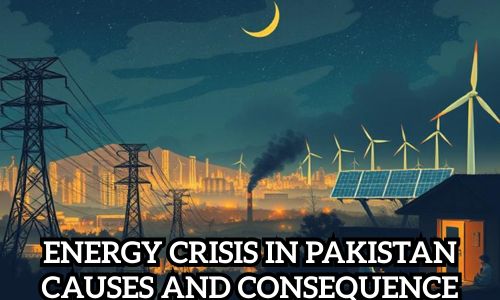
Energy Crisis in Pakistan – Causes and Consequence
ESSAY OUTLINE
1. Introduction
- Definition of energy crisis
- Importance of energy for economic and social development
- Brief overview of Pakistan’s energy shortfall
2. Causes of Energy Crisis in Pakistan
- Increasing Demand
- Rapid population growth
- Industrial expansion
- Poor Energy Management
- Inefficient power plants
- Line losses and electricity theft
- Dependence on Imported Fuel
- High oil import bill
- Fluctuating global prices
- Underutilized Resources
- Untapped hydropower potential
- Neglect of renewable energy (solar, wind, biomass)
- Policy Failures
- Lack of long-term planning
- Corruption and mismanagement
3. Consequences of Energy Crisis
- Economic Impact
- Decline in industrial output
- Reduced foreign investment
- Social Impact
- Unemployment due to factory closures
- Decline in quality of life (load-shedding, inflation)
- Political Impact
- Public dissatisfaction and protests
- Hindrance to national development
4. Possible Solutions
- Development of hydropower and renewable energy
- Energy conservation policies
- Modernization of transmission systems
- Effective governance and anti-corruption measures
5. Conclusion
- Restating importance of energy for progress
- Emphasis on urgent reforms and sustainable energy policies
ESSAY
An energy crisis occurs when the supply of energy fails to meet the growing demand of consumers, industries, and households. It creates widespread shortages of electricity, gas, and fuel, which disrupt normal life and economic activity.
Energy drives industries, fuels transportation, and powers agriculture. It supports education, healthcare, and communication by ensuring access to modern facilities. When a country generates and distributes sufficient energy, it strengthens its economy, improves living standards, and promotes social progress.
Pakistan faces a persistent energy crisis because demand for electricity rises while supply remains insufficient. The country produces energy inefficiently, relies heavily on imported oil, and underutilizes its natural resources. As a result, frequent load-shedding disrupts businesses, homes, and public life across the nation.
Pakistan’s population grows rapidly, and people consume more electricity every year. Industries expand their operations and place an extra burden on the national grid. As a result, the demand for energy rises far faster than the available supply.
Authorities run power plants with outdated technology and waste large amounts of energy. Transmission and distribution systems lose electricity due to technical faults and mismanagement. People steal electricity through illegal connections, and the government fails to control this theft effectively.
Pakistan spends billions of dollars to import oil and gas for power generation. Fluctuations in global fuel prices directly raise the cost of electricity in the country. Heavy dependence on imports weakens the energy sector and increases the trade deficit.
Pakistan holds vast hydropower potential, but the government fails to construct enough dams and reservoirs. The country receives abundant sunlight and strong winds, but it invests very little in solar and wind energy projects. As a result, Pakistan wastes its natural resources instead of turning them into energy.
Governments introduce short-term projects instead of drafting long-term energy policies. Corruption, political interference, and poor governance weaken the energy sector. Decision-makers ignore expert advice and fail to implement consistent reforms.
The energy crisis slows down industrial production because factories cannot run without continuous electricity. Investors lose confidence in Pakistan’s unstable power sector and shift their capital to other countries. The government spends more on fuel imports, which increases the budget deficit and weakens the economy.
Load-shedding disrupts daily life and frustrates citizens who depend on electricity for education, healthcare, and communication. Businesses close due to high energy costs, and workers lose their jobs, which raises unemployment. Families face inflation when industries transfer higher energy costs to consumers.
People protest when the government fails to provide uninterrupted electricity. Public dissatisfaction weakens the credibility of state institutions and increases political instability. The energy crisis delays national development projects and prevents Pakistan from achieving long-term stability.
The government should build new dams and reservoirs to generate affordable hydropower. Authorities must invest in solar and wind projects to reduce dependence on imported oil. By using renewable resources, Pakistan can produce clean, reliable, and sustainable energy.
Citizens can save energy by using energy-efficient appliances and reducing wastage. The government should launch awareness campaigns and enforce strict laws against electricity theft. When society values conservation, the demand for electricity decreases significantly.
Engineers should upgrade outdated power plants and replace faulty transmission lines. Authorities must install smart grids to reduce line losses and ensure uninterrupted supply. A modernized system will distribute energy more efficiently across the country.
Leaders must draft long-term energy policies and implement them without political interference. The government should eliminate corruption in the power sector and hold officials accountable for mismanagement. Transparent governance will attract foreign investment and strengthen the energy sector.
Pakistan faces a severe energy crisis because it fails to balance rising demand with sufficient supply. The shortage of energy slows down industries, increases unemployment, and fuels public unrest. Energy acts as the backbone of economic growth and social progress, so Pakistan must treat this issue as a national priority. The government should develop renewable resources, modernize infrastructure, and enforce strict policies against mismanagement. If leaders act with commitment and transparency, Pakistan can overcome the energy crisis and move toward sustainable development.












LEAVE A COMMENT