
Pluralistic Vision of Islam
ESSAY OUTLINE
1: Introduction
a: Definition of Pluralism in Religion
b: Brief Overview of Islam’s Diversity
c: Importance of Exploring a Pluralistic Vision of Islam
2: Historical Context of Pluralism in Islam
a: Early Islamic Period: Acceptance of Diversity
1: Caliphate of Umar Ibn al-Khattab
2: Tolerance towards Non-Muslim Communities (dhimmis)
b: Development of Islamic Sects and Schools of Thought
1: Sunni-Shia Divide
2: Emergence of Sufism and Mystical Islam
3: Influence of Rationalist Philosophers (Mutazilites)
c: Golden Age of Islam: Intellectual Exchange and Coexistence
1: House of Wisdom in Baghdad
2: Translation Movement and Cultural Synthesis
3: Key Elements of a Pluralistic Vision in Islam
a: Qur’anic Perspective on Diversity
1: “No Compulsion in Religion” (Surah Al-Baqarah, 2:256)
2: Creation of Different Nations and Tribes (Surah Al-Hujurat, 49:13)
b: Prophet Muhammad’s Model of Inclusivity
1: Farewell Sermon: Equality of All Muslims
2: Covenant with Christian and Jewish Communities
c: Sufism: Mystical Approach to Unity
1: Focus on Inner Spirituality over Dogma
2: Emphasis on Love, Compassion, and Universalism
4: Challenges and Controversies Surrounding Pluralism in Islam
a: Contemporary Sectarianism and Conflicts
1: Sunni-Shia Tensions
2: Rise of Extremist Groups
b: Interpretational Differences and Orthodoxy
1: Conservative vs. Progressive Views
2: Rejection of Pluralistic Interpretations
c: Political Manipulation of Religious Diversity
1: Instrumentalization of Sectarian Differences
2: Impact on Geopolitical Dynamics in Muslim-Majority Regions
5: Efforts Towards Promoting a Pluralistic Islam
a: Interfaith Dialogue and Cooperation
1: Initiatives with Other Abrahamic Religions
2: Building Bridges of Understanding
b: Internal Muslim Dialogues and Reforms
1: Modernist Approaches to Interpretation
2: Feminist and Inclusive Readings of Islamic Texts
c: Grassroots Movements and Civil Society
1: Promoting Coexistence and Interconnectedness
2: Countering Extremism through Education
6: Conclusion
a: Reiteration of the Significance of Pluralism in Islam
b: Call for Embracing Diversity as an Integral Islamic Value
c: Optimistic Outlook on the Future of Pluralistic Islam and Global Harmony
ESSAY
Pluralism in religion is the recognition and acceptance of the coexistence of diverse beliefs, practices, and interpretations within a single religious framework. It acknowledges that different individuals and communities may understand and approach their faith in unique ways, and that these differences are valid. Pluralism encourages an open dialogue between adherents of various perspectives, promoting mutual understanding and respect. Rather than seeking to establish a singular “right” interpretation, pluralism embraces the idea that the religious experience can be multifaceted and still hold value.
Islam, as a global faith, encompasses a wide array of cultural, linguistic, and historical contexts. From the Arabian Peninsula to Southeast Asia, Africa, and beyond, Muslim communities have developed distinct traditions influenced by their local surroundings. These differences are reflected in various aspects, such as religious practices, interpretations of scripture, and cultural expressions. The divisions between Sunni and Shia branches, the diversity of Islamic jurisprudence, and the emergence of Sufism as a mystical path all contribute to the richness of Islamic diversity. This diversity is not a sign of fragmentation but rather a testament to the adaptability of Islam to different environments.
Exploring a pluralistic vision of Islam is of utmost importance in our interconnected world. With globalization and increased interaction between cultures, it is essential to foster an environment of understanding and coexistence among people of different faiths. Embracing a pluralistic approach within Islam can lead to more harmonious relationships between Muslims of various backgrounds, as well as between Muslims and followers of other religions. By engaging with the diverse interpretations and practices within Islam, we can dispel misconceptions and stereotypes that often arise from oversimplified portrayals. This, in turn, contributes to a more accurate and nuanced understanding of Islam as a dynamic and multifaceted faith.
Below are the instances of Early Islamic Period when Acceptance of Diversity was on highest rateas
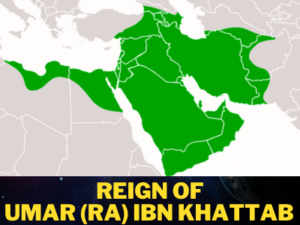
- Caliphate of Umar Ibn al-Khattab During the leadership of Caliph Umar Ibn al-Khattab, who succeeded Prophet Muhammad, a remarkable acceptance of diversity was evident. Umar’s governance demonstrated inclusivity, where he sought counsel from various companions regardless of their tribal or ethnic backgrounds. This practice underscored the importance of diverse perspectives in decision-making and governance.
- Tolerance towards Non-Muslim Communities (dhimmis) An essential aspect of early Islamic pluralism was the treatment of non-Muslim communities, known as dhimmis. Islamic law protected the rights of Christians, Jews, and other religious minorities, allowing them to practice their faith and maintain their cultural identity within Islamic territories. This approach was a departure from the forced conversions often seen in other historical contexts.
Below are the instances when Development of Islamic Sects and Schools of Thought took place
- Sunni-Shia Divide The emergence of Sunni and Shia branches within Islam marked a significant historical development. While differing primarily in their perspectives on leadership and succession after Prophet Muhammad, both branches contributed to the diverse fabric of Islamic thought. Their coexistence and shared reverence for the Quran and the Prophet illustrate the capacity for pluralism within the faith.
- Emergence of Sufism and Mystical Islam Sufism, a mystical and spiritual dimension of Islam, arose as an alternative path to a direct and personal connection with the divine. Sufi practitioners transcended doctrinal differences and sought unity with God through inner reflection and devotion. Their emphasis on the inner journey over rigid orthodoxy exemplified a pluralistic approach to spirituality.
- Influence of Rationalist Philosophers (Mutazilites) Rationalist philosophers, known as Mutazilites, advocated for the application of reason and logic in understanding religious matters. They believed in free will, ethical deliberation, and the pursuit of knowledge. While their ideas sometimes conflicted with traditional interpretations, their presence demonstrated the diversity of intellectual thought within Islam.
Below are the ears of Golden Age of Islam: Intellectual Exchange and Coexistence
- House of Wisdom in Baghdad The House of Wisdom in Baghdad during the Islamic Golden Age was a center of intellectual exchange. Scholars from different religious and cultural backgrounds converged to translate and preserve classical Greek, Persian, and Indian texts. This collaborative effort showcased the ability of diverse scholars to engage in dialogue and contribute to the advancement of knowledge.
- Translation Movement and Cultural Synthesis The translation movement facilitated the transfer of knowledge from various civilizations into the Islamic world. This cross-cultural interaction resulted in a synthesis of ideas, enriching Islamic thought and contributing to a more diverse understanding of various disciplines, including philosophy, medicine, and astronomy.
The historical context of pluralism in Islam reveals that the faith has long embraced diversity in its various forms. From the early caliphs’ leadership to the emergence of diverse schools of thought and the intellectual flourishing of the Golden Age, Islam’s history is a testament to its ability to encompass multiple perspectives and coexist with various beliefs and practices.
Below are the verses where Qur’anic Perspective on Diversity has been represented as
- “No Compulsion in Religion” (Surah Al-Baqarah, 2:256) This Quranic verse emphasizes that there should be no coercion in matters of faith. It underscores the idea that belief should be a matter of personal conviction and choice, highlighting the importance of respecting diverse religious viewpoints.
- Creation of Different Nations and Tribes (Surah Al-Hujurat, 49:13) Surah Al-Hujurat acknowledges the diversity of human beings and their division into various nations and tribes. This verse encourages mutual understanding and cooperation among these diverse groups, promoting peaceful coexistence.
Below are the teachings of Prophet Muhammad’s Model of Inclusivity as
- Farewell Sermon: Equality of All Muslims In his final sermon, Prophet Muhammad declared the equality of all Muslims, regardless of their ethnic or social backgrounds. He emphasized that no Arab is superior to a non-Arab and vice versa, fostering an inclusive and egalitarian community.
- Covenant with Christian and Jewish Communities The Prophet’s covenants with Christian and Jewish communities, such as the Covenant of Medina, exemplify his commitment to protecting their rights and religious practices. These agreements showcase the willingness to coexist and collaborate with diverse religious groups.
Below is the perspective of Sufism: Mystical Approach to Unity
- Focus on Inner Spirituality over Dogma Sufism emphasizes the inner journey of the soul toward divine union. It often transcends rigid dogmas and rituals, focusing on the personal experience of God. This approach highlights the universality of spirituality and encourages a pluralistic understanding of faith.
- Emphasis on Love, Compassion, and Universalism Sufism places a strong emphasis on love, compassion, and the interconnectedness of all beings. The concept of divine love (Ishq) and the practice of selfless service (khidma) extend beyond religious boundaries, promoting a universal sense of unity and empathy.
The key elements of a pluralistic vision in Islam draw from the Quran, the teachings of Prophet Muhammad, and the mystical tradition of Sufism. These elements underscore the importance of embracing diversity, respecting individual choices, and fostering an environment of inclusivity, compassion, and understanding.
Below are the Contemporary Sectarianism and Conflicts found in Islam
- Sunni-Shia Tensions The historical division between Sunni and Shia branches has, at times, escalated into tensions and conflicts, often fueled by political and ideological factors. These tensions can hinder inter-community dialogue and cooperation, challenging the pluralistic essence of Islam.
- Rise of Extremist Groups Extremist groups that claim to represent Islam have emerged in recent times. Their rigid interpretations reject pluralism and promote exclusivity, leading to violence and discord. These groups distort the faith’s teachings and contribute to negative perceptions of Islam.
Below are the approaches over Interpretational Differences and Orthodoxy in Islam
- Conservative vs. Progressive Views Islam experiences a range of interpretational differences, with some adherents advocating for traditional, conservative interpretations while others embrace more progressive and contextual readings. These differences can lead to debates over the role of women, LGBTQ+ rights, and other social issues.
- Rejection of Pluralistic Interpretations Certain segments within the Muslim community reject pluralistic interpretations, considering them as deviations from “authentic” teachings. This resistance can impede open discussions about the diversity of thought within Islam.
Below is the perspective of Political Manipulation of Religious Diversity
- Instrumentalization of Sectarian Differences In various regions, political actors have exploited sectarian divisions within Islam for their own gain. This manipulation exacerbates tensions and can lead to violence, as seen in conflicts in the Middle East and South Asia.
- Impact on Geopolitical Dynamics in Muslim-Majority Regions The exploitation of religious diversity can have broader geopolitical implications. State policies that favor a specific interpretation or sect can marginalize others, creating instability and contributing to regional conflicts.
Navigating these challenges and controversies is crucial for promoting a pluralistic vision of Islam. Addressing sectarianism, countering extremist ideologies, fostering open discussions about interpretations, and resisting the politicization of religious diversity are all steps toward embracing the inherent diversity and inclusivity of Islam.
Below are the Interfaith Dialogue and Cooperation which can promote plurality in society
- Initiatives with Other Abrahamic Religions Engaging in dialogues with followers of Christianity and Judaism fosters mutual understanding and highlights shared values. By acknowledging commonalities and discussing differences, these initiatives promote tolerance and peaceful coexistence.
- Building Bridges of Understanding Interfaith efforts extend beyond formal dialogues to include collaborative projects that address societal issues. Joint social and charitable activities demonstrate the practical manifestation of pluralism and reinforce the idea of a shared humanity.
Below are the initiatives to promote plurality through Internal Muslim Dialogues and Reforms
- Modernist Approaches to Interpretation Modernist scholars advocate for adapting Islamic teachings to contemporary contexts while remaining rooted in core principles. By reinterpreting traditional texts in light of current challenges, they encourage a more flexible and inclusive understanding of Islam.
- Feminist and Inclusive Readings of Islamic Texts Scholars and activists are reexamining Islamic texts from feminist and inclusive perspectives. These efforts challenge patriarchal interpretations, emphasize women’s rights, and promote greater gender equality within the faith.
While in promoting the plurality Grassroots Movements and Civil Society can play the vital by
- Promoting Coexistence and Interconnectedness Grassroots initiatives bring together individuals from diverse backgrounds to promote peaceful coexistence and understanding. Cultural events, workshops, and community projects help break down stereotypes and build bridges.
- Countering Extremism through Education Education plays a critical role in countering extremist ideologies. Promoting critical thinking, religious literacy, and tolerance within educational curricula can prevent the radicalization of youth and foster a pluralistic mindset.
Efforts to promote a pluralistic vision of Islam encompass a range of activities, from interfaith collaborations and internal reform discussions to grassroots initiatives that emphasize shared values and mutual respect. These endeavors collectively contribute to a more inclusive, harmonious, and understanding global community.
The exploration of Islam’s pluralistic aspects underscores the faith’s intrinsic capacity to accommodate diversity. From its earliest days to the present, Islam’s history, teachings, and practices have demonstrated an inherent acceptance of different perspectives, beliefs, and cultures.
Embracing pluralism is not only compatible with Islam but is also a central value that aligns with the teachings of the Quran and the example set by Prophet Muhammad. The Quranic emphasis on mutual understanding, compassion, and respect transcends divisions and invites Muslims to celebrate the richness of human differences.
Despite the challenges and controversies, the trajectory of Islam’s history and the efforts of numerous individuals and organizations to promote pluralism paint an optimistic picture. By nurturing a pluralistic vision, we can counter extremism, build bridges across faiths, and contribute to a more harmonious world.
As we move forward, it is essential to recognize that the vision of a pluralistic Islam is not a departure from the faith’s essence, but rather a return to its roots of inclusivity and tolerance. By embracing diversity as an integral Islamic value, we pave the way for a future where religious differences are celebrated, shared, and united in the pursuit of global harmony.












LEAVE A COMMENT