
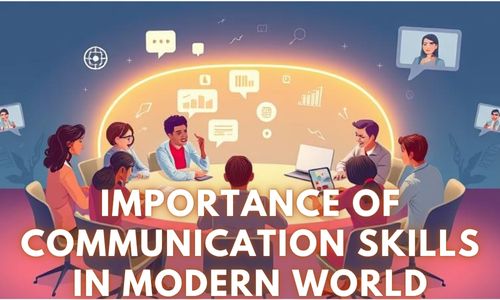
Importance of Communication Skills in Modern World
ESSAY OUTLINE
1: Introduction
- Define communication skills (verbal, non-verbal, written, digital).
- Explain their importance in the modern, interconnected world.
- Thesis statement: In today’s fast-paced, globalized society, lacking good communication skills can make personal, professional, and social life extremely difficult, if not impossible.
2: Importance of Communication in Personal Life
- Building and maintaining relationships (family, friends).
- Resolving conflicts effectively.
- Expressing emotions and needs clearly.
- Example: Misunderstandings leading to strained relationships.
3: Importance in Professional Life
- Collaborating with colleagues and teams.
- Presenting ideas clearly in meetings.
- Negotiating, persuading, and networking.
- Example: Poor communication harming career advancement or teamwork.
4: Role in Education and Learning
- Participating in discussions and asking questions.
- Writing clearly and presenting ideas.
- Engaging in group projects.
- Example: Students struggling without good communication skills.
5: Social Integration and Civic Participation
- Engaging with diverse cultures and communities.
- Understanding and respecting different viewpoints.
- Participating in civic duties (e.g., voting, community service).
- Example: Immigrants adapting through effective communication.
6: Challenges of Poor Communication in the Modern World
- Misunderstandings and conflicts.
- Isolation and loneliness.
- Reduced employability and economic opportunities.
- Difficulty adapting to technological communication tools.
7: Solutions and Recommendations
- Improving education and training in communication skills.
- Practicing active listening and empathy.
- Embracing technology mindfully to aid communication.
- Encouraging lifelong learning and personal development.
8: Conclusion
- Restate thesis: Without strong communication skills, functioning effectively in modern life is extremely difficult.
- Emphasize the universal value of improving communication for personal success and social harmony.
- End with a call to prioritize communication skills as essential for navigating the modern world.
ESSAY
Communication skills enable people to share ideas, feelings, and information effectively. Verbal communication involves speaking clearly and listening actively in conversations. Non-verbal communication relies on body language, facial expressions, and gestures to reinforce or clarify messages. Written communication includes composing clear emails, reports, and messages that others can easily understand. Digital communication uses modern tools like social media, video calls, and instant messaging to connect with others quickly and across distances. Together, these skills help individuals convey meaning accurately and build understanding with others.
In today’s interconnected world, people interact with others across cultures, languages, and time zones. Good communication skills help individuals collaborate with diverse teams, build strong relationships, and navigate complex social and professional environments. Technology has made communication faster but also more demanding, requiring people to express themselves clearly across many channels. Without effective communication, misunderstandings arise easily, conflicts escalate, and cooperation breaks down, making daily life and work far more challenging.
In today’s fast-paced, globalized society, people who lack strong communication skills face serious barriers in nearly every aspect of life. They struggle to form meaningful relationships, succeed in their careers, and participate fully in their communities. Without the ability to share ideas clearly, listen effectively, and adapt to different communication contexts, individuals find themselves isolated, misunderstood, and unable to meet the demands of modern life. Therefore, good communication skills are not optional—they are essential for survival and success in the modern world.
People build and maintain strong relationships by communicating openly and honestly. They share their thoughts, feelings, and experiences with family and friends to create trust and intimacy. When individuals listen actively and respond empathetically, they show respect and care, strengthening bonds over time. Good communication helps people celebrate happy moments, support each other during challenges, and deepen their connections, making relationships more fulfilling and resilient.
Conflicts are a natural part of any relationship, but good communication skills allow people to resolve them constructively. When disagreements arise, individuals can explain their perspectives calmly and listen to the other person’s concerns. By expressing themselves clearly and respectfully, they reduce misunderstandings and find common ground. Effective communicators use negotiation, compromise, and empathy to prevent small problems from escalating into major disputes, preserving harmony in their relationships.
People need to express their emotions and needs clearly to avoid frustration and resentment. Good communication helps individuals articulate what they feel and why, allowing others to understand and respond appropriately. For example, someone can say, “I feel hurt when you cancel plans last minute,” instead of remaining silent or lashing out. By naming their emotions and needs, individuals encourage honest conversations that lead to better understanding and stronger support from those around them.
When people fail to communicate well, misunderstandings often damage relationships. For instance, if someone doesn’t explain their expectations clearly, their friend or partner might misinterpret their actions or intentions. Small miscommunications can pile up, creating feelings of neglect, anger, or betrayal. Over time, these unresolved issues strain relationships, leading to distance or even permanent rifts. By practicing good communication, people can prevent such misunderstandings and maintain healthier, more satisfying connections.
Employees rely on good communication to work effectively with colleagues and teams. They share ideas, delegate tasks, and coordinate efforts to achieve common goals. When team members communicate openly, they clarify expectations, reduce errors, and build trust. Clear communication ensures that everyone understands their role and contributes effectively, creating a positive and productive work environment. By listening actively and respecting others’ viewpoints, professionals strengthen collaboration and improve overall team performance.
Professionals need to present their ideas clearly and confidently in meetings to influence decisions and share important information. They organize their thoughts, use precise language, and adapt their message to their audience. By explaining concepts simply and logically, they help colleagues understand and support their proposals. Effective communicators also encourage questions and feedback, making meetings more interactive and productive. Clear presentations can win approval for projects, secure resources, and demonstrate leadership potential.
Good communication skills empower professionals to negotiate effectively, persuade others, and build valuable networks. In negotiations, they state their needs clearly while listening to the other party’s concerns to find mutually beneficial solutions. They use persuasive language to advocate for their ideas or products, convincing clients, partners, or stakeholders to support them. Networking events require professionals to introduce themselves confidently, maintain engaging conversations, and create lasting professional relationships that can lead to new opportunities.
Poor communication can severely damage a professional’s career and harm team dynamics. For example, an employee who gives vague instructions may confuse colleagues, causing delays and mistakes. Someone who cannot present ideas clearly may miss chances for promotions or leadership roles. Misunderstandings in teams can lead to conflict, frustration, and decreased productivity. Without strong communication skills, professionals struggle to earn respect, work effectively with others, or advance in their careers, making success much harder to achieve.
Students use good communication skills to participate actively in class discussions and seminars. They share their ideas clearly, listen respectfully to others, and build on their peers’ contributions. When students ask thoughtful questions, they clarify their understanding and encourage deeper exploration of the topic. Teachers value students who communicate well because they create an engaging, dynamic learning environment. By expressing curiosity and critical thinking, students strengthen their grasp of the material and become more confident learners.
Students need to write clearly to demonstrate their knowledge and convey their arguments effectively. Good writing requires them to organize their thoughts logically, choose precise words, and follow academic conventions. Clear written communication helps them excel in essays, reports, and exams. Additionally, students often present their ideas orally in class or at conferences. When they speak confidently and structure their presentations well, they engage their audience and make their points more persuasive, showcasing their mastery of the subject.
Education increasingly relies on group projects that mirror real-world teamwork. Students need strong communication skills to share ideas, delegate tasks, and resolve disagreements within the group. They listen to each team member’s perspective, negotiate roles, and keep everyone informed about progress. Effective communication prevents confusion, reduces conflict, and ensures that all members contribute equally. By working collaboratively, students not only complete projects successfully but also develop essential interpersonal skills they will use throughout their careers.
Students who lack good communication skills often face serious challenges in their education. For example, they may hesitate to ask questions in class, leaving gaps in their understanding. Their written work might appear disorganized or unclear, resulting in lower grades. In group projects, they may fail to share their ideas or misunderstand others, causing conflict and poor outcomes. Without the ability to communicate effectively, these students struggle to engage fully with their education and limit their academic and personal growth.
People use good communication skills to engage effectively with diverse cultures and communities. They learn to adapt their language, tone, and style to connect with others who have different backgrounds and traditions. By asking questions and listening respectfully, they show genuine interest and openness. This approach helps build trust and understanding, allowing individuals to form friendships and networks across cultural boundaries. Through effective communication, people strengthen social cohesion and create more inclusive communities where everyone feels valued.
Good communicators actively seek to understand and respect different viewpoints. They listen carefully without interrupting, ask clarifying questions, and avoid dismissing others’ ideas. By showing empathy and open-mindedness, they create space for meaningful dialogue, even when they disagree. This skill helps prevent conflicts and promotes cooperation in social settings. When people communicate thoughtfully, they bridge divides, reduce prejudice, and contribute to a more tolerant and harmonious society.
Citizens rely on communication skills to participate fully in civic duties such as voting, attending public meetings, or volunteering. They learn about issues by reading and discussing them with others. They express their opinions clearly when engaging with elected representatives or fellow citizens. In community service projects, they coordinate efforts, share information, and motivate others to contribute. By communicating effectively, citizens strengthen democracy, solve local problems, and build stronger, more resilient communities.
Immigrants often use strong communication skills to adapt successfully to their new communities. They learn the local language, understand cultural norms, and express their needs and ideas clearly. By asking questions and building relationships, they gain support and find opportunities for work, education, and social connection. For example, an immigrant who actively communicates can navigate public services, help their children succeed in school, and contribute meaningfully to their new society. Through effective communication, they overcome barriers and achieve social integration.
People who communicate poorly often create misunderstandings that lead to conflicts. They might use vague or confusing language, fail to listen carefully, or misinterpret others’ intentions. These breakdowns in communication cause frustration and resentment on all sides. For example, a simple disagreement can escalate into a serious argument if people don’t clarify their meanings. By failing to communicate clearly and respectfully, individuals damage their relationships and make cooperation far more difficult.
When people struggle to express themselves or understand others, they often withdraw from social interactions. They may avoid conversations out of fear of embarrassment or rejection. Over time, this avoidance leads to isolation and loneliness. For example, someone who cannot share their feelings might feel disconnected from family and friends. Poor communication limits their ability to form new friendships or maintain existing ones, leaving them feeling excluded and unsupported in their social lives.
Employers value workers who communicate well with colleagues, customers, and managers. People who lack these skills often struggle to find or keep good jobs. They may fail job interviews, misunderstand instructions, or cause problems in team settings. For example, an employee who cannot explain ideas clearly may miss promotions or lose clients. Poor communication limits economic opportunities by making it harder to succeed in competitive workplaces, hurting both individual careers and overall productivity.
Modern communication relies heavily on technology such as email, messaging apps, and video calls. People who have poor communication skills often struggle to adapt to these tools. They may write unclear or inappropriate messages, misinterpret online tone, or misuse platforms entirely. For example, sending a confusing email can lead to mistakes or offend colleagues. As workplaces and social life become more digital, people who cannot navigate these technologies effectively fall behind, limiting their participation in modern society.
Educators and institutions can improve students’ communication skills by including them in school curricula and professional training programs. Teachers can design activities that help students practice speaking, listening, reading, and writing clearly. Trainers can use role-plays, presentations, and group discussions to strengthen these skills in workplace settings. By prioritizing communication education, societies prepare individuals to express themselves confidently and collaborate effectively in diverse contexts, ensuring they can thrive in personal and professional life.
Individuals can develop better communication by practicing active listening and empathy in daily interactions. Active listeners give their full attention, avoid interrupting, and ask questions to clarify understanding. They show empathy by trying to see situations from others’ perspectives and responding with care and respect. By listening and empathizing, people build trust, reduce conflicts, and deepen relationships. These habits create more meaningful connections and enable individuals to navigate social and professional challenges with greater ease.
People can use modern communication technologies mindfully to improve how they connect with others. They can choose the right tools for their message, such as email for formal updates, messaging apps for quick coordination, or video calls for personal conversations. By learning how to use these tools effectively, they avoid misunderstandings and maintain clear, respectful communication. Mindful use of technology also means setting boundaries to prevent overuse or misinterpretation, ensuring that digital tools enhance rather than harm human connections.
Individuals should view communication as a lifelong skill that needs regular improvement. They can seek feedback, attend workshops, read books, or take courses to refine their abilities. By staying open to learning, they adapt to new communication challenges and remain effective in changing environments. Encouraging lifelong learning also fosters personal growth, making people more self-aware, confident, and capable of engaging with others in meaningful ways. Societies benefit when citizens commit to developing their communication skills throughout their lives.
We must recognize that strong communication skills are not optional—they are essential for functioning effectively in the modern world. People who fail to communicate clearly face serious barriers in their personal relationships, professional careers, education, and civic participation. In today’s interconnected and fast-paced society, individuals need to share ideas, express emotions, and understand others to succeed. Without these skills, they struggle to navigate daily life, leading to conflict, isolation, and limited opportunities.
People from all walks of life benefit when they improve their communication skills. Clear, respectful communication builds trust and strengthens personal relationships. In workplaces, effective communication promotes collaboration, reduces errors, and drives success. On a broader level, societies that value open, empathetic dialogue create greater social harmony and mutual understanding. By developing these skills, individuals contribute to a culture that values respect, cooperation, and shared problem-solving, benefiting everyone.
We should all commit to making communication skills a top priority in education, training, and personal growth. Educators, employers, and policymakers need to recognize their vital role in fostering these abilities. Individuals should embrace lifelong learning, actively seeking opportunities to refine their skills. By prioritizing communication, we empower people to connect meaningfully, solve problems together, and build a more inclusive, successful, and harmonious world. Let us choose to invest in communication as the key to navigating the challenges of the modern age.






LEAVE A COMMENT