
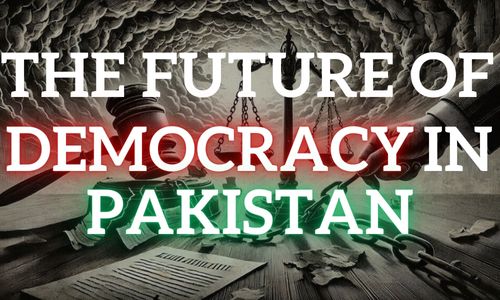
The Future of Democracy in Pakistan
ESSAY OUTLINE
1: Introduction
- Brief definition of democracy and its core principles.
- Importance of democracy in a nation’s development.
- Contextual overview of Pakistan’s political history and struggles with democracy.
- Thesis statement: Despite facing numerous challenges, the future of democracy in Pakistan holds promise if reforms, public engagement, and institutional strengthening are prioritized.
2: Historical Background
A. Early struggles with democracy
- Challenges after independence in 1947.
- Political instability and military interventions.
B. Evolution of democratic processes
- Key milestones: constitutional development, general elections, and democratic movements.
3: Current State of Democracy in Pakistan
A. Governance and institutional framework
- Role of the Parliament, judiciary, and Election Commission.
B. Public participation and civil society
- Voter turnout trends and awareness.
C. Challenges
- Corruption, weak institutions, and political polarization.
- Role of the military in civilian governance.
- Socioeconomic disparities and lack of education.
4: Key Challenges for the Future
A. Political instability and frequent changes in leadership.
B. Economic crises undermining democratic governance.
C. Influence of external powers and global dynamics.
D. Media and misinformation in shaping public opinion.
5: Opportunities for Democratic Strengthening
A. Youth and demographic dividend
- Role of the younger generation in driving democratic values.
B. Technology and transparency
- Digital tools for accountability and participation.
C. Strengthening institutions
- Need for judicial and electoral reforms.
D. Role of civil society
- Advocacy, public education, and community engagement.
6: Roadmap for a Strong Democratic Future
A. Policy and governance reforms
- Long-term planning and policy continuity.
B. Educational and socioeconomic development
- Empowering citizens through literacy and awareness.
C. Regional cooperation
- Learning from neighboring democracies for shared progress.
7: Conclusion
- Restating the potential of democracy as a cornerstone for Pakistan’s progress.
- Emphasizing the role of citizens, leaders, and institutions in safeguarding democracy.
- Hopeful outlook for a resilient and participatory democratic system in Pakistan.
ESSAY
Democracy is a system of government where power rests with the people, often exercised through elected representatives. Its core principles include the rule of law, equality, individual freedoms, and the right to participate in decision-making processes. In a democratic setup, institutions like the judiciary, legislature, and media play a vital role in ensuring accountability and transparency.
Democracy fosters political stability, social harmony, and economic growth by allowing citizens to voice their concerns and influence policies. It ensures the protection of fundamental rights, encourages innovation, and enables inclusive development. Countries with strong democratic frameworks often achieve higher levels of human development and global competitiveness.
Since gaining independence in 1947, Pakistan has faced significant challenges in establishing and maintaining a stable democracy. The country has oscillated between civilian and military rule, with political instability and constitutional crises undermining democratic progress. While efforts to uphold democracy have been persistent, issues such as corruption, weak institutions, and external influences have hindered its growth.
Despite facing numerous challenges, the future of democracy in Pakistan holds promise if key reforms are implemented, public participation is strengthened, and institutions are fortified. With collective efforts from citizens, political leaders, and civil society, Pakistan has the potential to evolve into a vibrant democratic state that ensures equality, justice, and development for all.
Pakistan’s efforts to establish democracy were evident in its constitutional developments. The country adopted its first constitution in 1956, emphasizing parliamentary democracy, but political instability prevented its effective implementation. The 1973 Constitution, still in effect today, became a cornerstone for democratic governance, promoting federalism, fundamental rights, and the separation of powers.
The restoration of democracy in Pakistan has often been driven by popular demand. General elections, despite irregularities and controversies, have played a key role in fostering public participation. Democratic movements such as the Lawyers’ Movement of 2007 and public uprisings against authoritarian regimes highlighted the resilience of the people and their demand for democratic governance. These events have progressively strengthened the country’s democratic ethos, albeit amidst persistent challenges.
Pakistan’s parliament, consisting of the National Assembly and Senate, plays a pivotal role in legislation and policy-making. However, frequent political disruptions, lack of accountability, and limited legislative productivity have hindered its effectiveness. Parliamentary debates often focus on political rivalries rather than addressing public issues.
The judiciary is tasked with upholding the Constitution and ensuring justice. In recent years, it has become increasingly active in addressing political and social matters. However, allegations of judicial overreach, politicization, and delays in case resolution have raised concerns about its impartiality and efficiency.
The ECP is responsible for ensuring free and fair elections. Despite efforts to strengthen its role, issues such as delayed electoral reforms, allegations of rigging, and logistical challenges undermine public trust in the electoral process.
Voter turnout in Pakistan has shown fluctuations, with significant regional and demographic variations. While urban areas demonstrate relatively higher participation, rural areas face challenges such as coercion and lack of access. Efforts by civil society and media to promote voter awareness have improved engagement, but apathy and disillusionment with political leadership remain widespread.
Civil society organizations play a crucial role in advocating for human rights, democracy, and transparency. They engage in voter education, monitor elections, and push for policy reforms. However, they often face restrictions, harassment, and limited funding, which hinder their effectiveness.
Corruption remains a significant challenge, eroding public trust and diverting resources away from development. Weak institutions, plagued by nepotism and inefficiency, fail to deliver essential services. Political polarization exacerbates governance issues, as rival parties prioritize power struggles over policy-making.
The military has historically played an influential role in Pakistan’s politics, including direct rule through coups and indirect influence on civilian governments. This has often undermined democratic processes, creating a civil-military imbalance and limiting the autonomy of elected representatives.
Widespread poverty and inequality hinder meaningful public participation in democracy. Illiteracy and lack of civic education limit awareness about rights and responsibilities. Socioeconomic disparities also exacerbate voter manipulation, as marginalized communities are often coerced or incentivized to vote for specific candidates.
Political instability in Pakistan has been a persistent issue, marked by frequent changes in government, lack of continuity in policies, and mistrust among political stakeholders. Coalition governments often face difficulties in decision-making, while confrontations between political parties hinder the development of long-term strategies. This instability undermines democratic institutions and weakens public trust in the system, perpetuating a cycle of governance crises.
Recurring economic challenges, such as inflation, debt crises, and unemployment, strain the democratic system. Public dissatisfaction over poor economic conditions leads to protests and political unrest, pressuring governments to prioritize short-term relief over sustainable growth. Additionally, limited fiscal space and reliance on international financial institutions for bailouts often result in unpopular austerity measures, further eroding confidence in leadership and governance.
Pakistan’s geopolitical position makes it vulnerable to the influence of external powers. Dependence on foreign aid, strategic alliances, and involvement in regional conflicts affect its domestic policies and democratic autonomy. External powers often leverage economic or political support to shape Pakistan’s decisions, creating a complex environment where national interests and external pressures collide. This dynamic sometimes sidelines democratic priorities in favor of security and strategic concerns.
The rise of digital media and social platforms has amplified the spread of information, but also misinformation and propaganda. Biased reporting, fake news, and politically motivated narratives polarize public opinion and exacerbate divisions. Media manipulation undermines informed decision-making among citizens and can sway public sentiment in ways that destabilize democratic processes. Strengthening media literacy and accountability is crucial to addressing this challenge.
Pakistan’s youthful population, with a significant portion under the age of 30, presents an immense opportunity to strengthen democratic values. Young citizens are often more open to progressive ideas, civic participation, and calls for accountability. Empowering the youth through education, skill-building, and awareness campaigns can cultivate a generation committed to democratic principles. Their active involvement in elections, policy debates, and community initiatives can bring fresh perspectives and energy to the political landscape.
Advancements in technology provide powerful tools for promoting transparency and participation in governance. Digital platforms can facilitate open government initiatives, enabling citizens to monitor public spending, access information, and report corruption. Social media and online forums amplify voices, fostering civic engagement. E-governance and blockchain technologies can enhance electoral integrity and streamline administrative processes, reducing opportunities for malpractice and increasing trust in institutions.
Robust and independent institutions are the backbone of a healthy democracy. Judicial reforms can ensure timely justice, while electoral reforms can address concerns over rigging, low voter turnout, and inclusivity. Building institutional capacity and ensuring merit-based appointments can reduce inefficiency and political interference. Strengthening oversight bodies, such as the Election Commission and anti-corruption agencies, can further bolster institutional credibility and public trust.
Civil society plays a vital role in advocating for democratic values and holding leaders accountable. NGOs, community groups, and advocacy organizations can raise awareness about rights, responsibilities, and governance processes. Public education campaigns can increase voter turnout and foster informed decision-making. By engaging in dialogue with policymakers, civil society organizations can influence policy decisions and drive reforms that reflect the aspirations of the broader population. Their grassroots networks can bridge the gap between citizens and the state, fostering a more inclusive democracy.
Effective democratic governance requires long-term planning and consistency in policies. This involves moving away from short-term, election-focused agendas to comprehensive strategies that address systemic issues. Policies should focus on institutional autonomy, transparency, and meritocracy. Establishing mechanisms for monitoring and evaluation can ensure accountability and performance. Continuity in governance, regardless of leadership changes, is crucial to building public trust and achieving sustainable progress.
Education is a cornerstone of democracy. Literacy and civic education empower citizens to understand their rights and responsibilities, fostering informed participation in the political process. Investment in socioeconomic development—such as healthcare, poverty alleviation, and infrastructure—can address disparities that hinder democratic growth. Programs that reduce income inequality and promote social mobility can help create a more inclusive society where all citizens feel represented and engaged in governance.
Pakistan can strengthen its democratic framework by learning from the experiences of neighboring democracies. Collaborative efforts in areas like electoral reforms, technology adoption, and judicial independence can foster shared progress. Regional platforms can be used to exchange best practices and address common challenges like corruption, misinformation, and institutional inefficiencies. Strengthening ties with democratic nations can also enhance economic growth and political stability, further consolidating the foundations of democracy.
Democracy, with its emphasis on representation, accountability, and inclusivity, remains the most viable path for Pakistan’s sustainable progress. It provides the framework for addressing societal challenges through dialogue, consensus-building, and public participation. As a nation rich in diversity, democracy ensures that all voices are heard, fostering unity and shared goals for development. By strengthening democratic practices, Pakistan can create a stable and just society, enabling it to realize its full potential on the global stage.
Democracy thrives when all stakeholders fulfill their roles responsibly. Citizens must actively participate in governance through informed voting and civic engagement. Leaders must prioritize the nation’s welfare over personal or party interests, adhering to ethical and transparent practices. Institutions such as the judiciary, Election Commission, and media must operate independently, ensuring checks and balances. Collectively, these elements form the bedrock of a resilient democratic system, capable of weathering challenges and evolving with time.
Despite its challenges, Pakistan’s democracy has shown resilience and adaptability. With a young and dynamic population, advancements in technology, and increasing awareness, there is immense potential for democratic growth. By fostering a culture of inclusion, accountability, and innovation, Pakistan can build a participatory system that not only addresses current issues but also sets the foundation for a prosperous future. The journey may be challenging, but the vision of a vibrant and thriving democracy is both achievable and worth striving for.







LEAVE A COMMENT