
Neo Indus Water Treaty
Qasim Waseem2024-09-19T06:59:58+00:00Introduction to the Indus Water Treaty
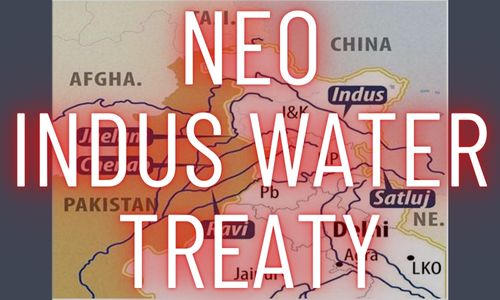
The Indus Water Treaty, signed in 1960, represents one of the most significant agreements between India and Pakistan, brokered by the World Bank. The treaty divides the water resources of the Indus River system between the two nations. India was allocated control over the waters of the eastern rivers—Ravi, Beas, and Sutlej—while Pakistan received the waters of the western rivers—Indus, Jhelum, and Chenab.
Over the past six decades, this treaty has shaped regional geopolitics, agricultural policies, and water resource management. However, the growing demands on water resources, changing geopolitical tensions, and climate change have led India to request a revision of the treaty’s provisions.
India’s Concerns Over the Indus Water Treaty
Evolving Geopolitical Realities
India’s primary concern stems from the evolving geopolitical landscape. With rapid urbanization, industrialization, and population growth, India is facing increasing demands on its water resources. While India was given access to only 20% of the total water under the Indus system, the nation now requires more significant access to ensure sustainable water management.
Moreover, Pakistan’s increasing dependency on the waters of the western rivers has complicated the situation. India’s proposal for modifications seeks to address both national security concerns and the need for more equitable water distribution.
Climate Change and Water Scarcity
Climate change has intensified water scarcity across the region. Glacial retreat in the Himalayas, unpredictable rainfall, and extended droughts have contributed to a fluctuating water supply. This has heightened India’s need to reassess the treaty’s allocations and adjust them to more accurately reflect current and future realities.
India argues that the treaty does not account for these challenges, especially as it relates to the potential for severe droughts or changes in water flow due to climate shifts. A revision would allow both nations to better manage their shared water resources in a changing environment.
India’s Hydroelectric Projects on Western Rivers
One of the most contentious points of debate centers around India’s right to build hydroelectric power projects on the western rivers. While the treaty permits India to construct these projects for non-consumptive use, Pakistan has often raised concerns that these projects may impact its water supply.
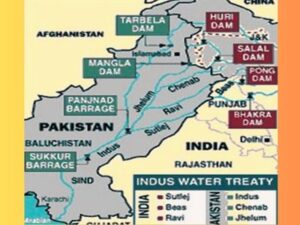
India argues that its hydroelectric ventures are essential for the nation’s growing energy needs and that these projects remain in line with the treaty’s original provisions. The country maintains that the projects are crucial for balancing environmental sustainability with economic growth.
Pakistan’s Response to India’s Demands
Pakistan has consistently maintained that the Indus Water Treaty should remain unchanged, arguing that any modifications would place undue strain on its water-dependent agriculture sector. The nation is heavily reliant on the water it receives from the western rivers, as its agricultural economy depends on a consistent and reliable water supply.
Pakistan fears that any changes to the treaty may reduce its water share, negatively impacting its food security and economic stability. Moreover, Pakistan views the treaty as a cornerstone of regional stability and believes any modification could lead to increased tensions between the two countries.
The Need for Bilateral Engagement
Both nations stand at a crossroads, where dialogue and cooperation are essential to avoid escalating tensions. The modification of the Indus Water Treaty can only be successful through a process of transparent negotiations and a mutual understanding of each country’s water needs.
India proposes modifying the treaty to achieve more equitable water sharing, considering the growing challenges of water scarcity and climate change. However, the treaty remains crucial for maintaining regional stability, so Pakistan’s concerns must be addressed.
Possible Solutions for Amending the Treaty
Integrated Water Management
One potential solution is the introduction of an integrated water management system. This system would focus on shared data, joint decision-making, and sustainable water use practices that prioritize long-term resource availability for both nations.
By adopting an integrated approach, India and Pakistan can work together to manage the impacts of climate change while ensuring that both countries have access to the water resources they need.
Water Conservation and Technological Collaboration
India and Pakistan could benefit from technological collaboration on water conservation techniques. Improved irrigation systems, rainwater harvesting, and efficient water usage technologies can help both nations address water scarcity without needing to drastically alter the treaty’s provisions.
Sharing these technologies and strategies would not only enhance water security but also foster better diplomatic relations between the two countries.
Conclusion
The Indus Water Treaty has been a pillar of regional peace and cooperation between India and Pakistan for over six decades. However, the evolving challenges of climate change, population growth, and geopolitical shifts require a reassessment of the treaty’s provisions. India has called for modifications to reflect these growing demands, but any changes must occur through diplomatic channels while respecting Pakistan’s concerns.










LEAVE A COMMENT