
Corporate Farming In Pakistan
Corporate farming is a term that has gained significant attention in recent years. In this comprehensive guide, we delve into the intricacies of this agricultural practice and its implications. We will explore its history, economic impact, environmental concerns, and the challenges it poses to small-scale farmers. By the end of this article, you’ll have a thorough understanding of what corporate farming is and why it’s a subject of both interest and controversy.
What is Corporate Farming?
Corporate farming, also known as industrial agriculture, is a large-scale agricultural operation conducted by corporations and agribusinesses. These entities manage extensive tracts of land and produce a wide variety of crops and livestock. Unlike traditional family farms, which are typically smaller in scale and independently owned, corporate farming operations are characterized by their significant resources and often, nationwide or global reach.
The History of Corporate Farming
The roots of corporate farming can be traced back to the mid-20th century when the post-World War II economic boom led to increased demand for food production. Corporations recognized the potential for profit in agriculture and started acquiring vast agricultural holdings. Over the decades, this trend has only intensified.
The development of technology and the implementation of modern agricultural practices have allowed corporate farms to achieve remarkable levels of efficiency. These advancements have transformed agriculture into a highly competitive industry, making it difficult for small-scale farmers to thrive.
Economic Impact
One of the key advantages of corporate farming is its significant contribution to the economy. Large-scale operations generate substantial revenue and employment opportunities. They can invest in cutting-edge technology, conduct extensive research, and access global markets, resulting in increased agricultural productivity and economic growth.
However, critics argue that the economic impact of corporate farming is a double-edged sword. While these entities may contribute to economic growth, their dominance can lead to a concentration of wealth and power in the hands of a few, leaving smaller farmers struggling to compete.
Environmental Concerns
Corporate farming practices often involve the use of chemical pesticides and fertilizers to maximize crop yields. While this approach is efficient, it raises significant environmental concerns. Excessive use of chemicals can lead to soil degradation, water pollution, and harm to wildlife. Moreover, large-scale monoculture farming can decrease biodiversity and lead to pest resistance.
Sustainable farming practices are essential to mitigate these environmental concerns. Initiatives such as organic farming, crop rotation, and responsible water management are steps in the right direction, but their adoption in corporate farming can be inconsistent.
Impact on Small-Scale Farmers
The rapid expansion of corporate farming has posed challenges for small-scale and family-owned farms. The economies of scale enjoyed by corporate entities allow them to offer products at lower prices, making it difficult for smaller farms to compete. This, in turn, can lead to the closure of family farms and a shift in the agricultural landscape.
Additionally, the dominance of corporate farming can result in a loss of regional diversity in agricultural products. Smaller, local farms often specialize in unique, region-specific crops and products, and their decline can lead to a homogenization of the agricultural industry.
The Scope of Corporate Farming in Pakistan
Corporate farming is a concept that has been gaining momentum on a global scale, and Pakistan is no exception to this trend. This article explores the scope of corporate farming in Pakistan, shedding light on its current status, potential benefits, challenges, and the implications for the agricultural landscape of the country.
Current Status of Corporate Farming in Pakistan
As of the present day, corporate farming in Pakistan is still in its nascent stage compared to more established countries. The country primarily relies on traditional and small-scale farming practices. However, there has been a growing interest in corporate farming, and some significant developments are taking place.
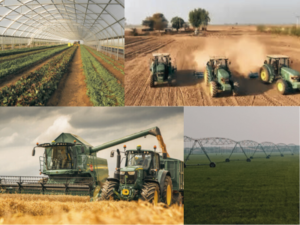
Corporate entities and agribusinesses have started to invest in large-scale agricultural operations in Pakistan. These ventures include the cultivation of crops, such as rice, wheat, sugarcane, and cotton, as well as the production of dairy and poultry products. The involvement of corporations in agriculture is gradually transforming the sector.
Potential Benefits of Corporate Farming in Pakistan
The potential benefits of corporate farming in Pakistan are multifaceted and could significantly impact the nation’s agricultural landscape. Here are some key advantages:
- Increased Productivity
Corporate farming operations typically employ advanced technology and modern agricultural practices, leading to increased productivity. This can result in higher crop yields and better-quality products.
- Economic Growth
The influx of corporate investments into agriculture can contribute to economic growth. These ventures create jobs, stimulate local economies, and generate tax revenue.
- Access to Global Markets
Corporate farms often have the resources to access international markets, expanding the reach of Pakistani agricultural products and potentially increasing export opportunities.
- Technology Transfer
Corporate farming brings advanced agricultural techniques and technology, which can benefit local farmers when adopted and shared.
- Research and Development
Large corporate entities are more likely to invest in research and development, leading to innovations in agriculture and sustainable practices.
Challenges and Concerns
Despite the potential benefits, corporate farming in Pakistan also faces several challenges and concerns:
- Land Ownership Laws
Landownership laws in Pakistan can be complex, and there are restrictions on land acquisition. This can pose challenges for corporations looking to acquire large tracts of land.
- Small Farmers’ Displacement
The expansion of corporate farming may lead to the displacement of small-scale farmers, who may not be able to compete with the economies of scale that corporations enjoy.
- Environmental Impact
There are concerns about the environmental impact of corporate farming, particularly regarding the excessive use of agrochemicals, water management, and biodiversity conservation.
- Social Equity
Corporate farming can lead to social disparities, as the concentration of resources and wealth in the hands of a few can further marginalize rural communities.
The Way Forward
The scope of corporate farming in Pakistan is expanding, but it must be approached with careful consideration of the challenges and concerns. Striking a balance between modernizing the agricultural sector and preserving the livelihoods of small-scale farmers is essential.
Efforts should be made to ensure that corporate farming adheres to sustainable and environmentally friendly practices. Furthermore, clear and transparent landownership and tenancy laws need to be established to encourage responsible corporate involvement in agriculture.
In conclusion, corporate farming holds immense potential for Pakistan’s agricultural sector. It can boost productivity, economic growth, and access to global markets. However, addressing the associated challenges is crucial to ensure that the benefits are shared equitably, and the environment is protected. The future of corporate farming in Pakistan will depend on the nation’s ability to strike this delicate balance.
Criticisms of Corporate Farming in Pakistan
Corporate farming in Pakistan, as in many other countries, has not been without its share of criticisms. While it may offer certain advantages, there are several concerns and criticisms associated with this practice. This article explores some of the key criticisms of corporate farming in Pakistan.
- Small Farmer Displacement
One of the primary criticisms of corporate farming in Pakistan is the displacement of small-scale and traditional farmers. As corporate entities acquire large tracts of land for their operations, smaller farmers are often forced off their land, which has been their source of livelihood for generations. This displacement can lead to social and economic disparities in rural areas.
- Environmental Impact
Corporate farming in Pakistan is often associated with the excessive use of chemical pesticides, fertilizers, and water resources to maximize crop yields. This overuse of chemicals can lead to soil degradation, water pollution, and harm to local ecosystems. Large-scale monoculture farming can reduce biodiversity and increase the risk of pest resistance, further contributing to environmental concerns.
- Lack of Sustainable Practices
Critics argue that corporate farming operations in Pakistan do not always prioritize sustainable and environmentally friendly practices. The pursuit of profit can sometimes overshadow responsible land and resource management, hindering the transition to more sustainable farming methods.
- Concentration of Wealth and Power
Corporate farming can lead to the concentration of wealth and power in the hands of a few large corporations. This concentration can result in significant imbalances in economic and political influence in the agricultural sector, potentially sidelining the interests of small-scale farmers and local communities.
- Food Quality
The focus of corporate farming on high yields and profit margins can sometimes come at the expense of food quality. The use of synthetic chemicals and genetically modified organisms (GMOs) can raise concerns about the nutritional value and safety of the food produced.
- Disruption of Local Farming Practices
Corporate farming may disrupt local and traditional farming practices that are better suited to the local environment and culture. The introduction of large-scale, standardized farming practices can diminish agricultural diversity and the preservation of indigenous knowledge.
- Worker Exploitation
Large corporate farms in Pakistan often rely on low-wage labor, including migrant workers. These laborers may face poor working conditions, lack of job security, and limited access to benefits, leading to issues of worker exploitation.
- Land Ownership Laws
In Pakistan, complex land ownership laws and regulations can sometimes work in favor of corporate entities, making it easier for them to acquire large tracts of land. This can be seen as an injustice to smaller farmers and indigenous communities.
- Neglect of Rural Infrastructure
Critics argue that corporate farming projects often focus on profit generation and resource extraction, neglecting investment in rural infrastructure and agricultural development. The lack of investment in roads, irrigation systems, and storage facilities can hinder small-scale farmers’ ability to produce and store their crops effectively.
- Loss of Food Sovereignty
Corporate farming may compromise a country’s food sovereignty as it can lead to an overreliance on external sources for food production. This vulnerability can impact national food security and economic stability.
In conclusion, while corporate farming in Pakistan has the potential to increase agricultural productivity and economic growth, it is crucial to address these criticisms and challenges. Sustainable and responsible practices, equitable land distribution, and measures to protect the interests of small-scale farmers and local communities are essential to ensure the long-term well-being of Pakistan’s agricultural sector.
The Horrors of Corporate Farming
Corporate farming, also known as industrial agriculture, is a practice that has garnered significant attention for the numerous issues and concerns it raises. While it has certain advantages, it is essential to recognize the horrors or drawbacks associated with corporate farming. This article sheds light on some of the most pressing concerns in this context.
- Environmental Degradation
One of the primary horrors of corporate farming lies in its impact on the environment. Large-scale, profit-driven agricultural operations often rely heavily on chemical pesticides and fertilizers to maximize crop yields. This overuse of chemicals can lead to soil degradation, water pollution, and harm to ecosystems. Additionally, corporate farms frequently practice monoculture, which can decrease biodiversity and contribute to pest resistance, further disrupting local ecosystems.
- Resource Depletion
Corporate farming consumes vast amounts of natural resources, including water and energy. In regions where water is already scarce, the excessive use of this vital resource for irrigation can lead to water scarcity and negatively affect local communities. Moreover, the energy-intensive nature of large-scale farming contributes to greenhouse gas emissions, exacerbating climate change concerns.
- Loss of Local and Traditional Farming
The expansion of corporate farming often leads to the displacement of smaller, local, and traditional farmers. These farmers may find it challenging to compete with the economies of scale that corporate entities enjoy. As a result, they risk losing their livelihoods and the unique local crops and farming practices they have maintained for generations.
- Concentration of Wealth and Power
Corporate farming can lead to the concentration of wealth and power in the hands of a few large corporations. This concentration can result in a significant imbalance of economic and political influence in the agricultural sector, potentially sidelining the interests of small-scale farmers and local communities.
- Quality of Food
The focus of corporate farming on high yields and profit margins can sometimes come at the expense of food quality. The use of synthetic chemicals and genetically modified organisms (GMOs) can raise concerns about the nutritional value and safety of the food produced.
- Worker Exploitation
Large corporate farms often rely on low-wage labor, including migrant workers. These laborers may face poor working conditions, lack of job security, and limited access to benefits, leading to issues of worker exploitation.
- Resistance to Sustainable Practices
Corporate farming is not always quick to adopt sustainable and environmentally friendly practices. The pursuit of profit can sometimes overshadow responsible stewardship of the land and resources, hindering the transition to more sustainable farming methods.
- Antibiotic Use in Animal Agriculture
In the realm of animal agriculture within corporate farming, there are concerns about the overuse of antibiotics. Antibiotics are often used to promote animal growth and prevent disease in crowded, confined animal feeding operations. This overuse contributes to the global issue of antibiotic resistance, which can jeopardize human and animal health.
- Impact on Rural Communities
The dominance of corporate farming can have far-reaching consequences on rural communities. As small farms close and economic resources shift to larger corporations, rural areas may face depopulation, economic challenges, and decreased community cohesion.
In conclusion, while corporate farming offers certain advantages in terms of efficiency and production, it is crucial to acknowledge and address the horrors associated with this practice. Environmental degradation, resource depletion, loss of local farming, concentration of wealth, and several other issues require careful consideration and sustainable solutions to ensure the well-being of the planet, local communities, and the future of agriculture.
How African Countries Fall Prey to Corporate Farming, Leading to Famine
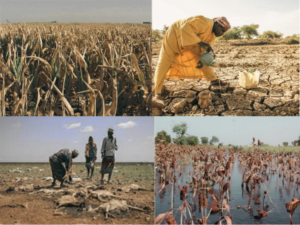
Africa, a continent known for its vast agricultural potential, has, in some instances, fallen prey to the detrimental effects of corporate farming, which has contributed to food scarcity and famine. This article explores the factors and dynamics that have led to this predicament, shedding light on the connection between corporate farming and food insecurity in various African nations.
- Land Grabbing
One of the primary ways African countries have fallen prey to corporate farming is through a phenomenon known as land grabbing. This practice involves the acquisition of large tracts of arable land by foreign corporations and governments for agricultural purposes. Often, the land acquired is in rural and less developed regions, displacing local communities and small-scale farmers who rely on these lands for their livelihoods.
- Export-Oriented Agriculture
Corporate farming in Africa has often been geared towards export-oriented agriculture. Companies and investors target the production of crops and commodities that can be sold in international markets for profit. While this can generate revenue for the corporations and governments involved, it can lead to food shortages in domestic markets, as locally produced food is diverted for export, leaving local populations vulnerable to famine.
- Monoculture Farming
Many corporate farming operations in Africa focus on monoculture farming, which is the practice of growing a single crop over vast areas. This approach, while efficient for mass production, can lead to soil degradation and a lack of crop diversity. When monoculture crops fail due to disease, pests, or adverse weather conditions, entire regions can face food shortages.
- Small-Scale Farmer Displacement
Corporate farming can displace small-scale farmers who have traditionally cultivated the land. Without access to land and resources, these farmers lose their ability to produce food for themselves and their communities. This contributes to food insecurity and can lead to famine when large corporate operations fail to adequately replace the lost food production.
- Use of Agrochemicals
Many corporate farms in Africa rely heavily on the use of agrochemicals, including pesticides and fertilizers, to maximize yields. While these chemicals can increase productivity in the short term, they can have long-term adverse effects on soil fertility, water quality, and human health. In some cases, overreliance on agrochemicals can lead to reduced agricultural productivity and food scarcity.
- Lack of Investment in Local Infrastructure
Corporate farming projects in Africa often focus on resource extraction and profit generation rather than investing in local infrastructure and agricultural development. This lack of investment in essential services such as roads, irrigation systems, and storage facilities can hinder small-scale farmers’ ability to produce and store their crops effectively, leading to food waste and scarcity.
- Political and Economic Pressures
African governments may face political and economic pressures to attract foreign investments in agriculture, which can sometimes lead to inadequate regulation and oversight. This can result in corporate farming practices that prioritize profit over food security.
In conclusion, the connection between corporate farming and famine in African countries is complex and multifaceted. While corporate farming can bring economic benefits, it must be carried out responsibly, taking into account the welfare of local communities and the long-term sustainability of agriculture. Measures should be put in place to ensure that corporate farming practices contribute to food security rather than exacerbating food shortages and famine.
Conclusion
In conclusion, corporate farming is a complex and multifaceted topic. It has evolved significantly since its inception, playing a pivotal role in the global food supply chain. The economic impact is undeniable, but it comes with environmental and social challenges.
It is crucial to find a balance that allows corporate farming to coexist with smaller farms, promoting both economic growth and sustainability. As consumers, we can support sustainable agriculture by choosing products from responsible producers and advocating for environmentally friendly practices.
In this ever-changing landscape, the future of corporate farming remains a subject of debate, one that will undoubtedly shape the future of agriculture. By understanding its intricacies, we can engage in informed discussions and contribute to the evolution of this critical industry.












LEAVE A COMMENT