

All Recorder History is Contemporaneous
ESSAY OUTLINE
1: Introduction
A: Definition of the concept: “All recorder history is contemporaneous”
B: Brief explanation of the historical context and its relevance
2: Understanding the Notion of Contemporaneity in Recorder History
A: Explanation of “contemporaneous” in the context of historical records
B: Discussion on the nature of historical records and their relation to time
C: Examples illustrating how historical records capture events from their contemporary perspectives
3: The Role of Perspective and Bias
A: Exploration of how historical accounts are influenced by the perspectives of the recorder
B: Discussion on biases in historical records and their impact on the perception of events
C: Examples showcasing how differing perspectives can lead to varied interpretations of the same event
4: Evolution of Historical Interpretations
A: Examination of how historical interpretations change over time
B: Introduction to the concept of reinterpretation and its impact on historical understanding
C: Examples of historical events that have been reinterpreted due to new evidence or changing perspectives
5: Technology and Documentation
A: Discussion on how advancements in technology have influenced historical documentation
B: Exploration of how different mediums (written, visual, oral) affect the recording of history
C: Examples of how technological advancements have enhanced the preservation and dissemination of historical information
6: Selective Recording and Omission
A: Analysis of how selective recording can shape historical narratives
B: Discussion on the deliberate omission of certain events or perspectives
C: Examples highlighting instances where selective recording has led to gaps in historical understanding
7: The Fluidity of Historical Truth
A: Exploration of the concept that historical truth is not fixed, but rather fluid
B: Discussion on the role of interpretation and context in shaping historical narratives
C: Examples illustrating how different interpretations of the same event can coexist
8: Conclusion
A: Recap of key points discussed in the essay
B: Restatement of the thesis: “All recorder history is contemporaneous”
C: Final thoughts on the significance of understanding the dynamic nature of historical records and their interpretations
ESSAY
The concept that “All recorder history is contemporaneous” suggests that historical records are created within the context of their time, reflecting the perspectives, biases, and knowledge of the individuals recording them. In essence, historical accounts are products of their contemporary environment, offering insights into the events and beliefs of the era in which they were written.
Throughout history, individuals have documented their experiences, beliefs, and observations in various forms such as written texts, oral traditions, artworks, and more. These records serve as windows into the past, allowing us to understand how people perceived and interpreted events during their lifetimes. The relevance of this concept lies in its ability to challenge our understanding of history as a fixed and objective account. Instead, it invites us to consider historical records as dynamic and subjective, influenced by the cultural, social, and intellectual milieu in which they were created.
As we delve deeper into this concept, we will explore how the notion of contemporaneity in recorder history has shaped our understanding of the past and the implications it holds for interpreting historical events.
In the context of historical records, “contemporaneous” refers to the idea that these records are created by individuals who lived during the time of the events they are documenting. These records provide a direct connection to the past, as they are a product of the same time period in which the events occurred. They offer valuable insights into the thoughts, emotions, and perceptions of people who experienced these events firsthand.
Historical records are more than just chronological accounts; they are windows into the past that offer glimpses of the cultural norms, societal values, and intellectual paradigms of a specific era. These records are influenced by the prevailing ideologies, biases, and technologies of their time. As a result, they provide a unique lens through which we can examine the past and gain a better understanding of the complexities of historical events.
Below Examples Illustrating How Historical Records Capture Events from Their Contemporary Perspectives
- Diaries and Personal Journals: Personal diaries and journals offer firsthand accounts of daily life, emotions, and reactions to events as they unfolded. For instance, the diary of Anne Frank during World War II provides an intimate portrayal of life during the Holocaust from the perspective of a young girl.
- Newspapers and Media: Historical newspapers and media reports capture public sentiment, political views, and reactions to significant events. The coverage of the moon landing in 1969, for instance, reflects the excitement and awe experienced by people at that time.
- Artistic Expression: Artworks, literature, and music from different eras reflect the prevailing aesthetics and cultural themes of their time. The paintings of the Renaissance period, for example, depict the religious and societal values of that era.
- Oral Traditions: Indigenous cultures often pass down historical knowledge through oral traditions. These narratives provide insights into the beliefs and experiences of past generations, even if they were not recorded in written form.
These examples underscore the significance of examining historical records within their original context. By doing so, we can better grasp the intricacies of the past and acknowledge the influence of contemporary perspectives on the recording of history.
Historical accounts are not objective depictions of events; rather, they are shaped by the personal perspectives and experiences of the individuals recording them. The recorder’s background, beliefs, and cultural context play a significant role in determining what details are emphasized and how events are portrayed.
Bias is an inherent aspect of historical records, stemming from the recorder’s cultural, social, and personal predispositions. These biases can manifest in various ways, including the choice of which events to document, the language used, and the portrayal of different groups or individuals. Biased historical records can lead to an inaccurate or skewed representation of the past, as they may omit certain viewpoints or distort the significance of certain events.
Below Examples Showcasing How Differing Perspectives Can Lead to Varied Interpretations of the Same Event
- American Revolutionary War: British and American accounts of the Revolutionary War offer different perspectives on the same events. British records might emphasize maintaining colonial control, while American accounts focus on achieving independence and freedom.
- Colonialism and Decolonization: The perspectives of colonizers and colonized populations on the effects of colonialism can greatly differ. Records from colonial powers may downplay the negative impacts, while decolonized nations might highlight the struggles and injustices faced.
- World War II: Records from different countries involved in World War II present contrasting viewpoints on the motivations and actions of various nations. German, Soviet, and American records offer varied narratives of the war’s causes and outcomes.
- Cultural Conflicts: Historical conflicts between cultures or civilizations are often depicted differently by each side. The records of European explorers and Native American tribes, for instance, provide contrasting interpretations of early encounters in the Americas.
These examples illustrate how historical events can be interpreted in multiple ways based on the recorder’s perspective. It is crucial to critically analyze historical records, recognizing the potential biases and considering multiple viewpoints to arrive at a more comprehensive understanding of the past.
Historical interpretations are not static; they evolve as new evidence, perspectives, and methodologies emerge. As societies change and gain new insights, our understanding of past events becomes more nuanced, often challenging previous assumptions and narratives.
Reinterpretation refers to the process of reevaluating historical events using updated information and methodologies. It allows historians to correct inaccuracies, fill gaps in knowledge, and offer fresh insights into the motivations and consequences of events. Reinterpretation can reshape our understanding of history, leading to more comprehensive and accurate narratives.
Below are Examples of Historical Events That Have Been Reinterpreted Due to New Evidence or Changing Perspectives
- Black Death (Bubonic Plague): Initially attributed to unsanitary conditions, the Black Death’s cause was later reinterpreted through scientific advancements, revealing its bacterial origin. This reinterpretation altered our understanding of medieval pandemics and their impact on societies.

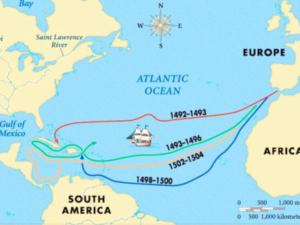
- Christopher Columbus’s Voyages: Columbus’s role in history has been reinterpreted over time. Once celebrated as a heroic explorer, his actions are now viewed through the lens of colonialism and their devastating effects on indigenous populations.
- Industrial Revolution: Early interpretations of the Industrial Revolution focused on its economic benefits. However, later reinterpretations highlighted the harsh working conditions and social inequalities it brought about, leading to a more balanced understanding of its consequences.

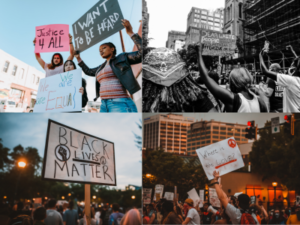
- Civil Rights Movement: Historiographical reinterpretation of the Civil Rights Movement has shifted the emphasis from a singular narrative of charismatic leaders to recognizing the contributions of grassroots activism and the diverse individuals involved.
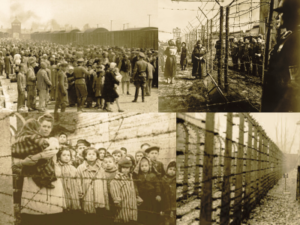
- Holocaust Historiography: Evolving perspectives on the Holocaust have deepened our understanding of its complexities. Reinterpretation has extended beyond the atrocities themselves to include the motivations of perpetrators, bystanders, and the psychological impact on survivors.
These examples underscore how historical interpretations evolve in response to new evidence, changing societal values, and emerging research methodologies. Reinterpretation enriches our understanding of history, encouraging us to critically assess previous narratives and embrace a more nuanced and inclusive perspective of the past.
Advancements in technology have revolutionized the way history is documented, preserved, and accessed. From the invention of writing systems to the digital age, technological progress has shaped the methods and accuracy of historical record-keeping, contributing to a more comprehensive understanding of the past.
Below is Exploration of How Different Mediums (Written, Visual, Oral) Affect the Recording of History
- Written Medium: The written word has long been a staple of historical documentation, allowing for detailed and precise accounts of events. Written records offer insight into the thoughts, beliefs, and actions of the past, shaping our understanding of historical contexts.
- Visual Medium: Visual records, such as paintings, photographs, and films, capture moments in time and provide a tangible connection to the past. They offer a unique perspective on the physical appearance of historical figures, places, and events.
- Oral Medium: Oral traditions, passed down through generations, provide a valuable means of preserving cultural heritage and historical knowledge. Though subject to changes over time, oral narratives offer insights into the beliefs and perspectives of communities.
Below are Examples of How Technological Advancements Have Enhanced the Preservation and Dissemination of Historical Information
- Digitization of Archives: Technological advancements have enabled the digitization of historical archives, making primary sources accessible to a global audience. Digitized manuscripts, letters, and documents provide researchers with easier access to original materials.
- Virtual Reconstructions: Computer simulations and virtual reality allow historians to reconstruct historical sites, offering immersive experiences of past environments. This technology aids in understanding architecture, urban planning, and daily life in different eras.
- Archaeological Tools: Advanced tools like ground-penetrating radar and LiDAR (Light Detection and Ranging) have transformed archaeological research by uncovering hidden structures and landscapes without physically excavating sites.
- Online Platforms and Social Media: The internet and social media have democratized historical discourse, allowing individuals to share research, engage in discussions, and contribute to historical narratives on a global scale.
- Forensic Analysis: Modern forensic techniques can provide insights into historical events by examining physical remains, artifacts, and even skeletal remains to reconstruct aspects of past societies.
These examples demonstrate how technology has expanded the possibilities of historical documentation, making it more inclusive, accessible, and interdisciplinary. Technological innovations continue to reshape the way we approach and appreciate history.
Selective recording involves the deliberate choice of what events, perspectives, and details to include in historical records. This practice can significantly shape the narrative that emerges, often reflecting the recorder’s biases, interests, or agenda. By omitting certain information, historical accounts may become skewed, incomplete, or even misleading.
Historical records are not always comprehensive; they can omit events or perspectives that were considered less significant or politically sensitive at the time of recording. This deliberate omission can arise from various factors, such as attempts to promote a particular viewpoint, suppress dissent, or maintain social order.
Below are Examples Highlighting Instances Where Selective Recording Has Led to Gaps in Historical Understanding
- Colonial Histories: Many colonial-era accounts often omitted the perspectives and contributions of indigenous populations, leading to an incomplete understanding of the complexities of colonial interactions and their impact on native communities.
- Women’s History: Throughout history, women’s roles and achievements were frequently omitted from official records, resulting in a skewed representation of historical events and the exclusion of key figures from the narrative.
- Censorship in Totalitarian Regimes: Totalitarian regimes have selectively recorded history to control the narrative and maintain their authority. For example, Soviet records often omitted information that contradicted the official ideology, leading to distortions in historical understanding.
- Slavery and Civil Rights: In some cases, historical accounts have downplayed or omitted the suffering of enslaved individuals and the struggles of marginalized groups, obscuring the true extent of their experiences and contributions.
- Personal Biases: Even personal diaries and journals, while valuable historical sources, can exhibit selective recording based on the recorder’s individual biases, emotions, and perceptions.
These examples highlight the consequences of selective recording and omission, as they can lead to gaps, distortions, and misrepresentations in our understanding of the past. It underscores the importance of critically evaluating historical sources and seeking diverse perspectives to construct a more accurate and inclusive historical narrative.
The notion of historical truth as fluid challenges the traditional perception of history as an immutable account of past events. Instead, it recognizes that historical understanding evolves as new evidence emerges, perspectives change, and societal contexts shift. Historical truths are subject to interpretation and reevaluation, reflecting the dynamic nature of human understanding and knowledge.
Interpretation is a central element in historical narratives, influenced by the context in which records are created and analyzed. Historians, guided by their own biases and the available evidence, construct narratives that reflect their understanding of events. Context, including cultural norms, contemporary beliefs, and political influences, shapes how historical events are perceived and framed.
Below are Examples Illustrating How Different Interpretations of the Same Event Can Coexist
- American Revolution: Depending on the perspective, the American Revolution can be seen as a fight for liberty or a defense of privilege. Both interpretations coexist, highlighting the multifaceted nature of historical truth.
- French Revolution: Historians interpret the French Revolution as either a catalyst for democracy or a precursor to chaos. These contrasting views showcase the complexity of historical events.
- Great Depression: Various interpretations of the causes and consequences of the Great Depression offer different lenses through which to understand economic and political factors at play during that time.
- Christopher Columbus: Interpretations of Columbus’s legacy range from celebrating him as an explorer to critiquing his role in colonialism. These differing perspectives demonstrate the fluidity of historical truth.
- World War II: Different interpretations of World War II exist, emphasizing factors such as geopolitical strategies, human rights violations, or technological advancements, reflecting the varying dimensions of the conflict.
These examples underscore that historical truth is not monolithic but rather a tapestry of diverse viewpoints and interpretations. As our understanding of history evolves, we recognize that historical truth is not fixed in stone but is shaped by the ongoing dialogue between evidence, interpretation, and changing societal contexts.
Throughout this essay, we have delved into the intricate relationship between historical records and the concept that “All recorder history is contemporaneous.” We explored how historical records are influenced by the perspectives and biases of the recorder, discussed the evolution of historical interpretations over time, and examined the impact of technology on documentation. We also addressed the selective recording and omission of events, and highlighted the fluid nature of historical truth shaped by interpretation and context.
In light of our exploration, it is clear that historical records are products of their time, capturing events and perspectives as they were perceived by those who lived through them. This thesis reinforces the idea that historical accounts reflect the contemporary environment in which they were created.
Understanding the dynamic nature of historical records and their interpretations is paramount for constructing a holistic and accurate understanding of the past. Acknowledging the role of perspective, bias, and context helps us avoid a simplistic view of history and invites us to critically analyze sources. By recognizing the fluidity of historical truth, we embrace the richness of diverse perspectives and allow for the growth of historical knowledge.
In an era where information is readily accessible and subject to reinterpretation, our awareness of the complexities of historical narratives becomes ever more crucial. Embracing the idea that all recorder history is contemporaneous empowers us to engage with the past in a way that is thoughtful, inclusive, and open to ongoing discovery. As we navigate the seas of history, let us continue to chart our course with curiosity and a deep appreciation for the multifaceted stories that shape our understanding of the human experience.











LEAVE A COMMENT