
Islamophobia
Islamophobia is a term coined to express the unfounded fear, resentment, and discrimination against Islam and Muslims. It can manifest in many forms, including hate speech, violence, and discrimination in employment, education, and other areas of life.
The roots of Islamophobia can be traced back to a lack of understanding about the religion, as well as negative stereotypes perpetuated by the media and political figures. Many people mistakenly associate Islam with terrorism and extremism, despite the fact that the vast majority of Muslims are peaceful and law-abiding citizens.
The consequences of Islamophobia can be devastating for individuals and communities. Muslims may experience discrimination in their daily lives, which can lead to a sense of isolation and exclusion. In extreme cases, Islamophobia can lead to hate crimes and violence, causing physical harm and emotional trauma.
To combat Islamophobia, it is essential to promote education and understanding about the religion and its followers. This includes challenging negative stereotypes and misinformation, and promoting positive portrayals of Islam in the media. It is also important to speak out against discrimination and hate speech, and to promote inclusivity and tolerance in all areas of society.
In conclusion, Islamophobia is a damaging and harmful phenomenon that can have serious consequences for individuals and communities. By promoting education, understanding, and inclusivity, we can work towards a more tolerant and accepting society for all.
REASONS
The reasons for the hatred against Islam are complex and multifaceted, and can vary from person to person. However, some of the common reasons for this hatred include:
- Ignorance and misunderstanding: Many people who hold negative views about Islam and Muslims may have little or no knowledge about the religion and its teachings. This lack of understanding can lead to fear and mistrust, which can fuel negative attitudes towards Islam.
- Negative media portrayal: The media has a significant influence on public opinion, and negative portrayals of Islam and Muslims in the media can perpetuate negative attitudes towards the religion. Muslims are often portrayed as terrorists, extremists, or backward, which reinforces negative stereotypes.
- Political rhetoric: Political leaders and media personalities who use anti-Muslim language or policies can contribute to a culture of fear and mistrust. This can lead to the normalization of Islamophobic attitudes and behaviours.
- Historical conflict: Historical conflicts between Muslim-majority countries and Western powers, such as the Crusades, colonialism, and the War on Terror, can contribute to negative attitudes towards Islam and Muslims.
- Personal experiences: Negative experiences with individual Muslims or groups of Muslims can also contribute to negative attitudes towards the religion. This may comprise incidents of discrimination, harassment, or violence.
In conclusion, the reasons for the hatred against Islam are complex and varied. It is important to address the root causes of Islamophobia by promoting education, understanding, and dialogue, and challenging negative stereotypes and rhetoric. This can help to create a more inclusive and tolerant society for all.
FACTORS
Islamophobia is a complex phenomenon, and there are many factors that contribute to its existence. Some of the key factors behind Islamophobia are:
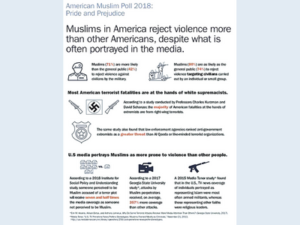
- Ignorance and misunderstanding: Many people who hold Islamophobic views have little or no knowledge about Islam and the diverse Muslim communities around the world. This ignorance and lack of understanding can lead to fear and mistrust, which can fuel Islamophobic attitudes.
- Stereotyping and media representation: Negative stereotypes and biased media coverage of Islam and Muslims can perpetuate Islamophobia. Muslims are often portrayed as violent, backward, and intolerant, which reinforces negative attitudes towards them.
- Political discourse: Political rhetoric that stigmatizes Islam and portrays Muslims as a threat to national security can fuel Islamophobic attitudes among the public. Political leaders who use anti-Muslim language or policies contribute to a culture of fear and mistrust.
- Global events: Terrorist attacks carried out by individuals claiming to be Muslims have contributed to the rise of Islamophobia, especially in Western countries. These events can lead to a generalization of all Muslims as being responsible for such attacks, which is both unfair and inaccurate.
- Economic and social factors: Economic insecurity and social exclusion can lead to a sense of resentment towards minority groups, including Muslims. When people feel that their economic or social status is threatened, they may be more likely to turn to scapegoating and blame others for their problems.
In conclusion, Islamophobia is a multifaceted issue, and addressing it requires a multifaceted approach that involves education, awareness, and policy changes. By understanding the factors behind Islamophobia, we can work towards creating a more inclusive and tolerant society for all.
EFFECTS
Islamophobia has a range of negative effects on individuals, communities, and society as a whole. Here are some of the main effects of Islamophobia:
- Discrimination: Islamophobia can lead to discrimination in many areas of life, including education, employment, and housing. Muslims may face barriers to access opportunities and services, as well as harassment and violence.
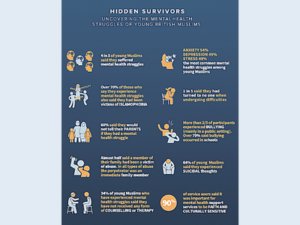
- Psychological distress: Islamophobia can cause significant psychological distress for Muslims, including anxiety, depression, and a sense of insecurity. This can lead to a sense of isolation and exclusion, which can further exacerbate mental health problems.
- Polarization: Islamophobia can create a sense of polarization between Muslims and non-Muslims, leading to a breakdown in social cohesion and trust. This can create further tensions and divisions in society.
- Political marginalization: Islamophobia can also contribute to the political marginalization of Muslims, making it difficult for them to participate fully in political life and have their voices heard.
- Economic impact: Islamophobia can have an economic impact, as it can discourage investment and tourism in Muslim-majority countries. This can lead to further economic and social instability in these countries.
In conclusion, Islamophobia has a range of negative effects that can harm individuals, communities, and society as a whole. It is important to work towards combating Islamophobia by promoting education and understanding, challenging negative stereotypes, and promoting inclusivity and tolerance.
ISLAMOPHOBIC REGIONS
It is difficult to determine which countries are the most Islamophobic as there are no universally agreed-upon standards or measurements for such a phenomenon. However, some organizations and experts have conducted surveys and studies on Islamophobia around the world. In some of the recent surveys India and UK were leading of having anti-Islam and anti-Muslim sentiments and it was shockingly revealed that around 80% hatred content of the world originated from these 2 countries.
The warm sentiments against Muslim community are not only confined to India and UK but according to another survey by the Pew Research Centre in 2017, the countries with the highest levels of negative attitudes towards Muslims were predominantly in Western Europe, including Italy, Poland, and Greece. The survey found that about 53% of Italians, 55% of Poles, and 65% of Greeks had an unfavourable view of Muslims.
Another study by the Bridge Initiative at Georgetown University in 2016 identified the United States, the United Kingdom, and France as the most Islamophobic Western countries. The study used a variety of factors, such as hate crimes, political rhetoric, and media representation, to assess the level of Islamophobia.
However, it is important to note that Islamophobia exists in various forms and degrees across different regions and countries, and it is a complex issue that requires nuanced understanding and effective strategies to address.
MEASURES
Governments around the world have taken various steps to combat Islamophobia, including the establishment of anti-hate-crime legislation and measures to prevent and prosecute hate crimes, as well as public awareness campaigns to dispel negative myths and misconceptions about Muslims and Islam.
To further address this issue, the United Nations General Assembly, with the support of 60 Member-States of the Organization of Islamic Cooperation (OIC), has designated March 15 as the International Day to Combat Islamophobia. The resolution emphasizes that terrorism and violent extremism should not be associated with any religion, nationality, civilization, or ethnic group. It also calls for a global dialogue to promote a culture of tolerance and peace, based on respect for human rights and the diversity of religions and beliefs.
In 2021, marking the first International Day to Combat Islamophobia, UN Secretary-General António Guterres highlighted that anti-Islam and anti-Muslim prejudice is element of a larger trend of a resurgence in ethno-nationalism, neo-Nazism, disgrace, and hate speech targeting vulnerable populations, including Muslims, Jews, some minority Christian communities, and others. He added that the Holy Quran reminds us that nations and tribes were created to know one another, and diversity is a richness, not a threat. To tackle Islamophobia, several measures can be taken:
- Education and awareness: Education and awareness about the Islamic faith, its practices, and its contributions to society can help reduce prejudice and negative attitudes towards Muslims. This can be done through public education campaigns, community events, and interfaith dialogues.
- Legislation and policies: Governments can pass legislation and policies that protect the rights of Muslims and ensure that they are not discriminated against in areas such as employment, housing, and education.
- Media representation: The media can play an important role in shaping public perception of Muslims. Balanced and fair coverage of Muslim issues and stories can help reduce negative stereotypes and bias.
- Dialogue and engagement: Interfaith dialogue and engagement between Muslims and non-Muslims can help build bridges and foster understanding. This can be done through community events, open houses at mosques, and other initiatives.
- Combating hate speech: Hate speech against Muslims can fuel Islamophobia. Governments, civil society organizations, and social media companies should take steps to combat hate speech and promote respectful discourse.
Overall, tackling Islamophobia requires a multi-pronged approach that involves education, legislation, media representation, dialogue, and combating hate speech. By working together, we can create a more inclusive and tolerant society for all.












LEAVE A COMMENT