
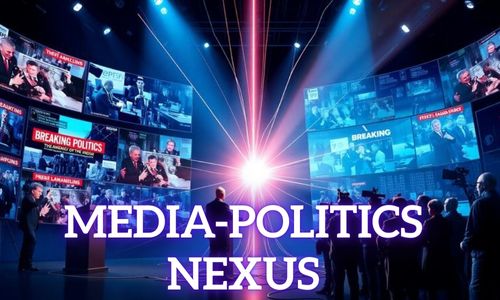
Media Politics Nexus
The relationship between media and politics has become one of the most influential forces shaping modern societies. In Pakistan, this nexus has evolved into a powerful ecosystem where political agendas, media narratives, and public perception intersect. The result is a complex dynamic through which power is acquired, legitimacy is manufactured, and public opinion is strategically shaped. This article explores how media and politics influence one another, how propaganda is constructed, and how these interactions ultimately mold democratic processes.
Media as the Fourth Estate: A Critical Power Center
Media is often labeled the fourth pillar of democracy, but its role has expanded far beyond information delivery. In Pakistan, media organizations now operate as power centers with the ability to amplify political movements, construct public images of leaders, and influence voter behavior.
Television networks, newspapers, digital platforms, and social media channels have become active actors—intervening in political discourse rather than simply observing it.
Political leaders rely heavily on media coverage to build credibility. A single prime-time talk show appearance can shift national narratives, sway undecided voters, or intensify public pressure on institutions. As a result, elected officials cultivate relationships with journalists, media houses, and influencers to secure favorable coverage.
The Rise of Propaganda and Manufactured Narratives
Propaganda is not new in Pakistani politics, but its scale and sophistication have grown dramatically. Today’s propaganda relies on selective reporting, emotional framing, constant repetition, and digital manipulation to shape how citizens interpret events.
Key Tactics Used in Political Propaganda:
-
Agenda-setting: Selecting which issues dominate headlines.
-
Framing: Presenting information in ways that direct public interpretation.
-
Spin-doctoring: Reframing negative events to protect political actors.
-
Disinformation campaigns: Spreading false or misleading content online.
-
Character assassination: Targeting rivals through scandalization and moral panic.
Digital media has intensified the challenge. Coordinated social media campaigns, paid trend manipulation, bot armies, and viral misinformation now influence public thinking more rapidly than traditional outlets.
Media Ownership and Political Influence
Many leading media houses in Pakistan are owned, funded, or influenced by powerful political or business actors. This creates a structural bias in the way news is prioritized and reported. Ownership patterns shape editorial decisions, promote specific ideologies, and filter which voices receive visibility.
How Ownership Affects Media Neutrality:
-
Political investors often demand favorable coverage.
-
Corporate owners push economic agendas.
-
State institutions influence national narratives through pressure or regulation.
-
Journalists face constraints that limit investigative reporting.
The result is an information landscape where power holders often guide the public conversation.
Political Parties and the Battle for Visibility
In Pakistan’s competitive political environment, parties constantly fight for media visibility. Headlines, prime-time debates, and viral social media content serve as crucial battlegrounds.
Political Strategies in Media Engagement
-
Major parties maintain media wings to create daily narratives.
-
Leaders use press conferences as tools of agenda-setting.
-
Social media teams coordinate hashtags and trending topics to dominate digital spaces.
-
Frequent appearances on talk shows provide platforms for ideological persuasion.
Public opinion is shaped not only by what politicians say but by how consistently and convincingly they say it across multiple media channels.
Journalism Under Pressure: Challenges to Media Independence
Independent journalism faces numerous barriers in Pakistan, ranging from political pressure to economic instability. Media workers frequently navigate threats, censorship, and institutional influence.
Major Challenges to Press Freedom:
-
Censorship and content restrictions
-
Harassment of journalists
-
Financial dependency on advertising from politically affiliated groups
-
Restrictions on reporting sensitive topics
-
Cyber harassment targeting digital journalists
These pressures limit the media’s ability to hold power accountable, weakening democratic oversight and reducing public trust.
Social Media: The New Arena of Political Warfare
Platforms like Facebook, X (Twitter), Instagram, YouTube, and TikTok have transformed political communication. Unlike traditional media, social platforms allow unfiltered, direct messaging between leaders and citizens.
Why Social Media Has Become Politically Dominant
-
Instant dissemination of messages
-
Viral potential of political content
-
Cheaper than traditional advertising
-
Direct engagement with supporters
-
Ability to bypass mainstream media filters
However, this digital democratization comes with consequences. Echo chambers, fake news, and extremist rhetoric easily spread across networks, polarizing society and influencing political stability.
Public Opinion as a Product of Media Narratives
Public opinion in Pakistan increasingly reflects the stories constructed by powerful media-political alliances. Citizens rely on news content, talk shows, online trends, and influencer commentary to form views on governance, economic policies, national crises, or political leadership.
How Media Shapes Public Thinking
-
Repetition creates perceived truth.
-
Emotional tones influence judgment more than facts.
-
Viral content sets social priorities.
-
Scandals overshadow policy discussion.
In many cases, public perception of political competence or legitimacy is driven more by media portrayal than by actual performance.
The Consequences for Democracy
The media-politics nexus affects democratic functioning in several ways:
Positive Impacts
-
Provides platforms for public debate
-
Encourages political participation
-
Highlights social issues needing attention
-
Enhances accountability through investigative reporting
Negative Impacts
-
Deepens polarization through biased narratives
-
Reduces public trust when media acts as political ally
-
Allows propaganda to overshadow facts
-
Weakens institutions by amplifying conflict
-
Increases vulnerability to misinformation
For democracy to thrive, media must independently fulfill its role as a watchdog, not a partner in political battles.
Toward a More Transparent Media Landscape
Strengthening transparency in media ownership, protecting journalists, and educating the public about media literacy are essential steps toward improving Pakistan’s democratic culture. Encouraging ethical journalism and regulating digital disinformation are equally vital to restoring public trust.
Ultimately, a healthier media environment empowers citizens to think critically, question political motives, and make informed decisions that support democratic values.







LEAVE A COMMENT