

Pakistan General Elections 2024 – Overview
The 2024 Pakistani general election took place on February 8, 2024, where voters elected members of the 16th National Assembly. Here are some key points about the election:
- Major Parties: In the previous elections, the three major parties were:
– Pakistan Muslim League (N) (PML-N), led by former Prime Minister Nawaz Sharif.
– Pakistan Peoples Party (PPP), led by former Foreign Minister Bilawal Bhutto Zardari.
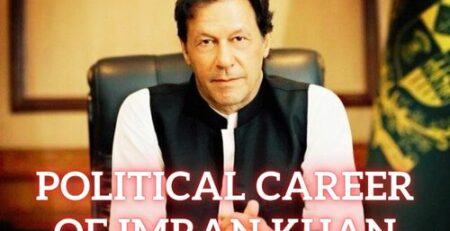
– The Pakistan Tehreek-e-Insaf (PTI), founded by Imran Khan, was the largest party. However, due to a controversial Supreme Court ruling, PTI had to field its candidates as Independents in this election.
- Military Interference and Controversy: Due to initial results in which PTI was leading with over whelming majority across Pakistan then not only PTI but also the local and foreign media and observers claimed widespread military interference in the elections to change the results in favour of their likeminded parties. While foreign media outlets accused the military of rigging the elections in favor of PML-N, PPPP, MQM & JUI(F) in Punjab, Sindh and KPK. International observers expressed concerns about the fairness of the elections.
- Results: The election results are still unfolding, but it’s clear that Imran Khan’s supporters have taken to the streets after the controversial poll results. Independents’ strong performance underscores Khan’s enduring popularity, particularly among young voters and the middle-class population facing economic challenges. Due to the massive rigging the results of the elections have changed and hence become controversial.
- Presidential Elections: An indirect election is expected to take place in Pakistan no later than March 9, 2024, to elect the incoming President of Pakistan. The outgoing President, Arif Alvi, is eligible for re-election.
Federal Government Formation
As of February 12, 2024, the Federal government formation in Pakistan following the 2024 elections remains uncertain due to a split verdict. Here are the main possibilities:
- Coalition government:
- Most likely scenario: This involves alliances between various parties. One possibility is a grand coalition excluding the Pakistan Tehreek-e-Insaf (PTI) led by Imran Khan, with the Pakistan Muslim League-Nawaz (PML-N) and Pakistan Peoples Party (PPP) at its core. Other parties like Muttahida Qaumi Movement-Pakistan (MQM-P) and Jamaat-e-Islami could also be involved.
- Less likely, but possible: A coalition between PTI and PPP, leveraging PTI-backed independent candidates’ seats. However, this seems less favorable due to both parties’ strong stances against each other.
- PTI government:
- Uncertain: Although PTI-backed candidates hold the most seats, they lack a clear majority due to stolen mandate due to massive rigging. If they manage to get hold of successful independent candidates then they are able to form a government without major parties but there are too many ifs and buts are linked with this proposition as it faces challenges due to allegations of rigging and resistance from other parties.
-
Prolonged process and instability:
- Possibility: If no strong coalition emerges or legal challenges delay the final results, the process could drag on, leading to political and economic instability.
Important factors to consider:
- Final official results: Ongoing scrutiny and potential legal challenges may affect the final seat distribution and coalition possibilities.
- Negotiations and party interests: Deals and compromises between parties will be crucial in determining the government’s composition and policies.
- Public opinion and legitimacy: Concerns about election rigging and the credibility of the next government could affect both domestic stability and international relations.
Provincial Government Formations
Just like the national picture, the possibilities for provincial government formation remain unclear due to the fractured results. Here’s a breakdown of the current situation in each province:
Punjab:
- Key players: PML-N and PTI-backed independents hold a close contest with no party holding a clear majority.
- Possibilities:
- Coalition: PML-N could form a government with smaller parties like PPP and independents.
- PTI-led: Unlikely, but possible if independents lean towards PTI and legal challenges favor them.
- Hung assembly: Prolonged negotiations and instability are a possibility.
Sindh:
- Key players: PPP emerged as the strongest party, though short of a majority.
- Possibilities:
- PPP-led government: Most likely scenario, possibly with support from smaller parties.
- Coalition: Unlikely due to PPP’s relative strength.
- Hung assembly: Less likely compared to other provinces.
Khyber Pakhtunkhwa:
- Key players: PTI-backed independents have a clear majority.
- Possibilities:
- PTI-led government: Most likely scenario.
- Coalition: Less likely as PTI has enough seats individually.
- Hung assembly: Highly unlikely given the current seat distribution.
Balochistan:
- Key players: No single party has a clear majority.
- Possibilities:
- Multi-party coalition: PML-N, PPP, and smaller parties could collaborate.
- PTI-led: Possible if they attract enough independents and other parties.
- Hung assembly: Likely scenario due to fragmented results.
Factors to consider:
- Final official results: Ongoing scrutiny and legal challenges could alter the provincial scene.
- Intra-party negotiations: Internal dynamics within major parties will influence potential alliances.
- Regional considerations: Local and ethnic factors will play a role in coalition formation.
Global Reaction
The global reaction to the 2024 Pakistan elections has been mixed, with concerns and questions alongside affirmations and hopes. Here’s a summary of the key points:
Concerns and Questions:
- Allegations of Irregularities: Several countries, including the US, UK, and EU, expressed concerns about alleged irregularities and potential interference in the electoral process. Reports of disqualification of candidates, limited media freedom, and internet shutdowns raised questions about the election’s credibility.
- Polarization and Stability: International observers emphasized the need for political actors to respect the results and work towards forming a stable government. There’s apprehension about the potential for further polarization and instability if claims of rigging are not addressed transparently.
- Democratic Process and Rule of Law: Calls for respecting democratic norms and upholding the rule of law were prominent, stressing the importance of independent investigations into any allegations of interference.
Affirmations and Hopes:
- Peaceful Conduct: The peaceful conduct of the elections, despite security concerns, was applauded by many international entities. The high voter turnout was also seen as a positive sign of democratic engagement.
- Importance of Pakistan: Recognizing Pakistan’s regional and global significance, countries expressed their willingness to work with the new government on shared interests, regardless of the political party.
- Hope for Stability and Development: The international community expressed hope that the new government will focus on promoting stability, economic development, and addressing critical issues like climate change and terrorism.
It’s important to note that the global reaction is not monolithic. Depending on their political and strategic interests, different countries have varying levels of concern and expectations. Ultimately, the international community will likely be watching closely how the political situation in Pakistan evolves and how the new government addresses the concerns raised.
Additionally, the ongoing legal challenges and scrutiny of the election results could further shape the global response. A transparent and credible resolution to these issues is crucial in gaining international confidence and support for the new government.
National Dilemma
The 2024 Pakistan elections presented several major dilemmas, with no easy answers. Despite PTI backed Independent candidates got majority and unfortunately their mandate has stolen and they have gone under litigation process but here are some key points to consider:
- Credibility and Allegations of Rigging:
- Concerns about electoral manipulation and interference, particularly regarding the disqualification of Imran Khan and nationwide internet suspension on election day, cast a shadow over the process’s legitimacy.
- This raises questions about public trust in the results and the incoming government’s ability to govern effectively.
- Economic Woes and Uncertain Future:
- Pakistan faces serious economic challenges, including rising inflation, high energy prices, and a burgeoning debt crisis.
- The new government will need to take tough decisions to stabilize the economy, potentially leading to unpopular measures and social unrest.
- Political Polarization and Instability:
- Deep divisions between major parties, particularly Imran Khan’s PTI and established parties like PML-N and PPP, create a tense political atmosphere.
- The possibility of prolonged coalition negotiations or a hung assembly could further exacerbate instability and delay crucial decision-making.
- Military’s Role and Influence:
- The Pakistani military’s perceived influence in politics, including allegations of interference in elections, is a constant source of debate and concern.
- The ability of the new government to function independently and address public concerns regarding the military’s role remains unanswered.
- Regional Security and Foreign Relations:
- Pakistan’s relationship with neighboring countries like India and Afghanistan remains complex and fragile.
- The new government’s approach to foreign policy and security issues will have significant regional implications.
Overall, the dilemmas posed by the 2024 Pakistan elections highlight the country’s complex political landscape and the challenges the new government will face. Navigating these issues will require strong leadership, compromise, and a focus on national unity and development along with cooperative consensus.
Disclaimer: This writing is based on publicly available information and public experts’ opinions. The actual government formation process is ongoing and the final outcome remains uncertain. It’s important to note that this is a simplified overview, and there are many nuanced perspectives on these issues.






LEAVE A COMMENT