
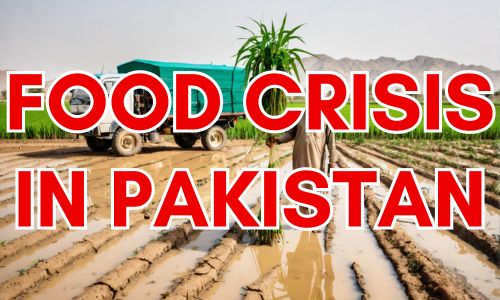
Food Crisis In Pakistan
ESSAY OUTLINE
Introduction
- Brief overview of the global food crisis
- Importance of food security for Pakistan
- Purpose of the essay: Analyzing problems, challenges, and opportunities
Understanding the Food Crisis in Pakistan
- Definition of food crisis and food insecurity
- Current state of food production and availability in Pakistan
- Key factors contributing to the crisis
Major Problems Leading to Food Crisis
- Population Growth: Rising demand for food
- Climate Change: Impact of floods, droughts, and temperature variations
- Water Scarcity: Depleting water resources affecting agriculture
- Land Degradation: Soil erosion, deforestation, and urbanization
- Supply Chain Disruptions: Poor infrastructure, storage, and transportation issues
- Economic Instability: Inflation, poverty, and lack of affordability
- Government Policies and Mismanagement: Weak agricultural policies and governance
Challenges in Addressing the Food Crisis
- Agricultural Productivity: Low yield and outdated farming techniques
- Lack of Technological Advancement: Limited mechanization and modern practices
- Post-Harvest Losses: Wastage due to poor storage and handling
- Dependence on Imports: Increasing reliance on foreign food supplies
- Political and Social Barriers: Corruption, mismanagement, and lack of reforms
Opportunities to Overcome the Food Crisis
- Adopting Modern Agricultural Techniques: Precision farming, GMOs, and high-yield seeds
- Efficient Water Management: Drip irrigation and rainwater harvesting
- Strengthening Supply Chain Infrastructure: Cold storage, better transport, and logistics
- Promoting Sustainable Farming Practices: Organic farming and crop diversification
- Government Reforms and Policies: Subsidies, incentives, and farmer support programs
- Investment in Research and Development: Innovation in agriculture and food security
- Public-Private Partnerships: Collaboration with industries for better food production
Conclusion
- Summary of key problems and challenges
- Emphasis on potential solutions and opportunities
- Call for urgent action by government, stakeholders, and society to ensure food security in Pakistan
ESSAY
The food crisis has become a major global issue, affecting millions of people worldwide. Many countries struggle to ensure food security due to climate change, economic instability, and population growth. Rising food prices and supply chain disruptions have worsened the situation, making it difficult for people to access nutritious and affordable food.
Pakistan faces significant food security challenges due to its rapidly growing population, inefficient agricultural practices, and climate-related threats. The country depends heavily on agriculture, yet many farmers still use outdated techniques that reduce productivity. Water shortages, inflation, and poor supply chain management further complicate food availability, making it a pressing concern for the government and society.
This essay will explore the food crisis in Pakistan by identifying key problems, analyzing the challenges that hinder food security, and highlighting potential opportunities to overcome these issues. By examining these aspects, we can understand how Pakistan can strengthen its agricultural sector and ensure food security for future generations.
A food crisis occurs when a country or region faces severe shortages of food, leading to hunger, malnutrition, and increased food prices. Food insecurity arises when people do not have reliable access to sufficient, safe, and nutritious food to maintain a healthy life. When food becomes scarce or too expensive, low-income families suffer the most, as they struggle to afford even basic necessities. In Pakistan, food insecurity affects millions, particularly in rural areas where poverty and agricultural challenges limit food access.
Pakistan produces a large quantity of staple crops such as wheat, rice, and sugarcane, but the country still faces food shortages. Farmers cultivate vast agricultural lands, yet inefficient farming methods and water scarcity reduce overall productivity. The country imports essential food items, including pulses and edible oil, to meet domestic demand. However, rising inflation and fluctuating global prices make food unaffordable for many Pakistanis. Additionally, natural disasters like floods and droughts often destroy crops, further decreasing food availability.
Several factors have intensified Pakistan’s food crisis. Rapid population growth has increased food demand, while agricultural output has not kept pace. Climate change has caused irregular weather patterns, leading to droughts and excessive rainfall that damage crops. Water shortages have worsened due to inefficient irrigation systems and depleting groundwater levels. Weak infrastructure, poor storage facilities, and inadequate transportation networks result in significant food wastage.
Additionally, political instability and ineffective government policies have hindered agricultural development, preventing farmers from adopting modern techniques and accessing necessary resources. Pakistan must address these issues to improve food security and ensure a stable supply of essential food items for its growing population.
Pakistan’s population has been increasing rapidly, creating a growing demand for food. Farmers work hard to cultivate more crops, but their efforts fail to meet the rising consumption needs. As cities expand and rural areas become more populated, agricultural land shrinks, making food production even more challenging. More mouths to feed require higher agricultural output, yet limited resources prevent the country from meeting this demand effectively.
Extreme weather conditions have severely impacted Pakistan’s agricultural sector. Heavy floods wash away fertile land, destroying crops and displacing farmers. Prolonged droughts reduce water availability, making it difficult for farmers to irrigate their fields. Rising temperatures accelerate soil degradation and decrease crop yields. Climate change continues to disrupt farming cycles, making food production unpredictable and unstable.
Pakistan faces a severe water crisis that threatens agricultural sustainability. Farmers rely on rivers and groundwater for irrigation, but excessive use and mismanagement have led to water depletion. Many regions suffer from water shortages, forcing farmers to abandon their crops. The lack of efficient irrigation systems and outdated farming techniques further worsen the crisis. Without immediate action, water scarcity will continue to limit food production.
Agricultural land is rapidly deteriorating due to soil erosion, deforestation, and expanding urban areas. Overgrazing and unsustainable farming practices strip the soil of nutrients, reducing its fertility. Deforestation removes trees that protect farmland, leading to increased soil erosion. As cities grow, authorities convert fertile agricultural land into residential and commercial zones. These factors collectively reduce Pakistan’s ability to produce enough food for its people.
Pakistan struggles with weak infrastructure that disrupts the food supply chain. Farmers harvest large quantities of crops, but poor storage facilities cause significant losses due to spoilage. Inefficient transportation networks delay food delivery, leading to shortages in urban markets. Many rural farmers cannot access markets easily, forcing them to sell their produce at extremely low prices. These inefficiencies prevent food from reaching consumers in a timely and affordable manner.
Soaring inflation has made food unaffordable for many Pakistanis. As prices rise, low-income families struggle to buy essential food items, leading to malnutrition and hunger. Poverty remains a widespread issue, preventing people from accessing nutritious meals. Unstable economic conditions further weaken the purchasing power of citizens, making food insecurity a daily reality for millions.
Pakistan’s agricultural sector suffers from poor governance and ineffective policies. The government fails to provide farmers with modern equipment, quality seeds, and financial support. Corruption and mismanagement divert resources away from critical agricultural development programs.
Authorities often neglect long-term planning, resulting in repeated food shortages. Without strong policies and better governance, Pakistan cannot overcome its food crisis. Pakistan must address these challenges urgently to ensure food security and build a resilient agricultural system.
Farmers in Pakistan struggle to achieve high crop yields because they continue to rely on outdated farming methods. Many farmers use traditional techniques that fail to maximize productivity. They do not have access to high-yield seeds, proper irrigation facilities, or advanced fertilizers. As a result, they produce less food than their land’s full potential. Without modernizing agricultural practices, Pakistan cannot meet the growing demand for food.
Pakistan’s agricultural sector lacks advanced technology, which limits its efficiency and output. Many farmers still use manual labor instead of modern machinery such as tractors, harvesters, and automated irrigation systems. Due to financial constraints and lack of government support, they cannot invest in mechanized farming. Other countries have increased their food production through technological advancements, but Pakistan lags behind. If farmers adopt modern equipment and scientific techniques, they can significantly improve their productivity.
Farmers lose a significant portion of their harvest due to inadequate storage and poor handling. Pakistan does not have enough cold storage facilities to preserve perishable crops like fruits and vegetables. Improper packaging and rough transportation cause food to spoil before reaching markets. Poor warehouse conditions allow pests and mold to destroy stored grains. These inefficiencies result in massive food wastage, reducing the overall availability of food in the country.
Pakistan increasingly depends on imported food items to meet domestic demand. The country imports wheat, pulses, and edible oil from foreign markets, which makes it vulnerable to global price fluctuations. When international food prices rise, Pakistani consumers suffer from high costs. The government spends a large portion of its budget on food imports instead of investing in local agricultural development. If Pakistan boosts its domestic food production, it can reduce its reliance on foreign supplies and strengthen its food security.
Corruption and mismanagement weaken Pakistan’s efforts to address the food crisis. Authorities fail to implement effective agricultural policies due to political interference and lack of accountability. Corrupt officials often misuse funds intended for farmer support programs. Additionally, landowners and middlemen exploit small-scale farmers by offering unfair prices for their produce.
The government does not introduce necessary reforms to improve food distribution, control inflation, or support sustainable farming. Without tackling these political and social barriers, Pakistan will struggle to ensure food security for its people. Pakistan must overcome these challenges by modernizing agriculture, reducing food waste, and implementing strong policies to achieve long-term food security.
Farmers can increase food production by adopting modern agricultural techniques. Precision farming allows them to use data-driven strategies for better crop management, improving efficiency and reducing waste. Genetically modified organisms (GMOs) offer pest-resistant and drought-tolerant crops, ensuring higher yields in difficult conditions. Scientists have developed high-yield seed varieties that can produce more food with fewer resources. If Pakistan promotes these advancements, farmers can significantly improve agricultural productivity and help reduce the food crisis.
Pakistan can overcome water shortages by implementing efficient irrigation methods. Farmers can use drip irrigation systems to deliver water directly to plant roots, minimizing wastage and improving crop growth. Rainwater harvesting can help collect and store water during the rainy season, ensuring a steady supply for irrigation throughout the year. Authorities must educate farmers about these techniques and provide financial support to encourage widespread adoption. By conserving water resources, Pakistan can sustain agricultural production even in dry regions.
Authorities can reduce food wastage by improving supply chain infrastructure. Farmers need access to cold storage facilities to preserve perishable goods such as fruits, vegetables, and dairy products. The government must invest in better transport networks to ensure that food reaches markets quickly and efficiently. Stronger logistics systems can help reduce delays, prevent spoilage, and ensure fair prices for both farmers and consumers. By addressing supply chain inefficiencies, Pakistan can increase food availability and affordability.
Farmers can improve soil fertility and protect the environment by adopting sustainable farming practices. Organic farming eliminates harmful chemical pesticides and fertilizers, producing healthier crops and maintaining long-term soil health. Crop diversification encourages farmers to grow a variety of crops instead of relying on a single staple, reducing the risk of food shortages during climate disruptions. The government and agricultural experts must educate farmers on these methods and provide support to promote eco-friendly farming.
The government must introduce policies that support farmers and encourage food production. Authorities can provide subsidies for modern equipment, fertilizers, and high-quality seeds to help farmers improve productivity. Incentive programs can reward farmers who adopt sustainable practices and increase yields. The government should also establish financial support programs that offer low-interest loans to struggling farmers. By implementing effective policies, Pakistan can create a more stable and prosperous agricultural sector.
Pakistan must invest in research and development to drive agricultural innovation. Scientists and agricultural experts can develop new techniques, seed varieties, and pest control methods to improve food production. Research institutions can study climate-resilient farming practices to help farmers adapt to changing weather conditions. The government and private sector should allocate funds for research that enhances food security and strengthens the agricultural sector. Advancements in technology and innovation will play a key role in solving the food crisis.
Collaboration between the government, private sector, and agricultural industries can boost food production. Companies can provide farmers with access to advanced technology, high-quality seeds, and efficient irrigation systems.
The private sector can invest in food storage, transportation, and processing facilities to minimize post-harvest losses. By working together, stakeholders can create a more sustainable and productive food system. Public-private partnerships can help modernize Pakistan’s agriculture and ensure long-term food security. By adopting these strategies, Pakistan can overcome its food crisis, increase agricultural productivity, and ensure food security for future generations.
Pakistan faces a severe food crisis due to multiple interrelated problems. The rapidly growing population continues to increase food demand, while outdated farming techniques limit agricultural productivity. Climate change disrupts weather patterns, causing floods, droughts, and rising temperatures that damage crops. Water scarcity further threatens irrigation, reducing farmers’ ability to sustain their yields. Poor infrastructure and supply chain issues prevent food from reaching consumers efficiently, while inflation and economic instability make basic food items unaffordable for many. Government mismanagement and weak policies worsen the situation, leaving farmers without necessary support and resources.
Despite these challenges, Pakistan holds immense potential to overcome its food crisis through modern agricultural strategies. Farmers can adopt advanced techniques such as precision farming, genetically modified seeds, and sustainable irrigation systems to enhance productivity. The government must invest in cold storage facilities, better transportation networks, and efficient supply chain logistics to minimize food wastage. Promoting organic farming, crop diversification, and sustainable water management can protect natural resources and ensure long-term food security. Research and development in agriculture can introduce innovative solutions, while public-private partnerships can strengthen the overall food production system.
Pakistan must act immediately to secure its food future. The government must implement strong policies, provide financial support to farmers, and invest in modern agricultural infrastructure. Agricultural experts and private sector stakeholders must collaborate to introduce technology-driven solutions and improve food production. Society must also play a role by reducing food waste, supporting local farmers, and advocating for sustainable agricultural practices. Ensuring food security requires a collective effort from all sectors, and Pakistan cannot afford to delay action. If the country addresses these challenges with determination, it can build a resilient and self-sufficient food system for future generations.












LEAVE A COMMENT