

Literary Time Travel
Literature has always been a reflection of human thought, culture, and society, evolving over centuries to capture the complexities of the human experience. By exploring the major literary movements, we gain insight into how literature has shaped and been shaped by historical, social, and philosophical changes. Here’s a brief overview of some of the most influential literary movements in history.
1. Classical Antiquity (8th Century BCE – 5th Century CE)
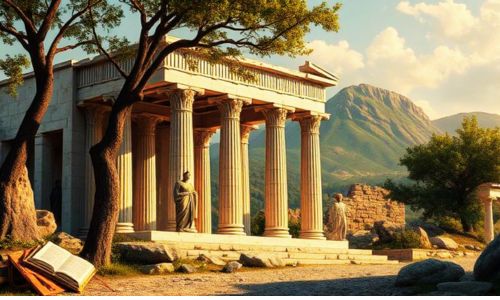 Rooted in ancient Greece and Rome, classical literature laid the foundation for Western literary traditions. Works like Homer’s Iliad and Odyssey and Virgil’s Aeneid emphasized epic storytelling, heroism, and the interplay between humans and the divine. This period also saw the rise of drama, with playwrights like Sophocles and Euripides exploring themes of fate, morality, and tragedy.
2. Medieval Literature (5th – 15th Century)
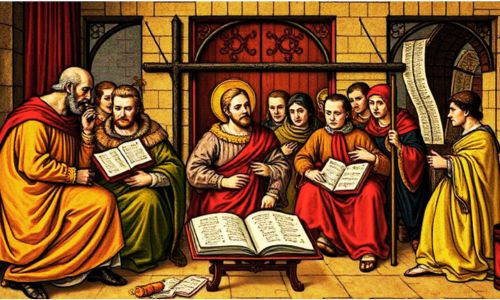 Medieval literature was deeply influenced by religion, chivalry, and feudalism. Works like Beowulf, The Divine Comedy by Dante Alighieri, and Geoffrey Chaucer’s The Canterbury Tales reflected the spiritual and moral concerns of the time. This era also saw the rise of allegory and the blending of Christian and pagan traditions.
3. Renaissance (14th – 17th Century)
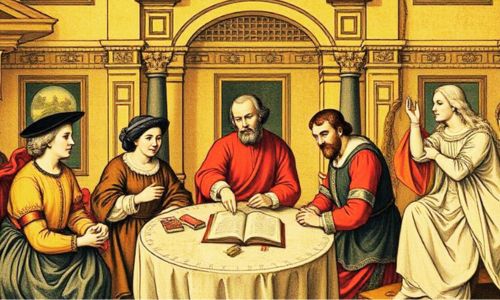 The Renaissance marked a rebirth of classical learning and humanism. Writers like William Shakespeare, Miguel de Cervantes, and John Milton explored human emotion, individualism, and the complexities of the human condition. This period also saw the flourishing of poetry, drama, and the novel as dominant literary forms.
4. Enlightenment (18th Century)
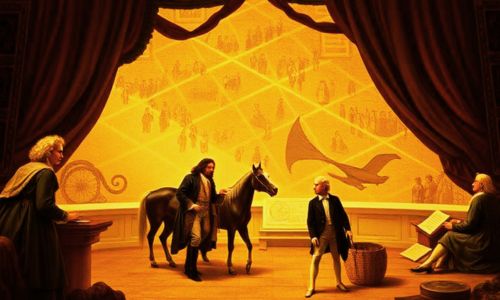 The Enlightenment emphasized reason, logic, and scientific inquiry. Writers like Voltaire, Jonathan Swift, and Alexander Pope used satire and rational discourse to critique society, religion, and politics. This era also saw the rise of the novel as a vehicle for social commentary, with works like Daniel Defoe’s Robinson Crusoe.
5. Romanticism (Late 18th – Mid-19th Century)
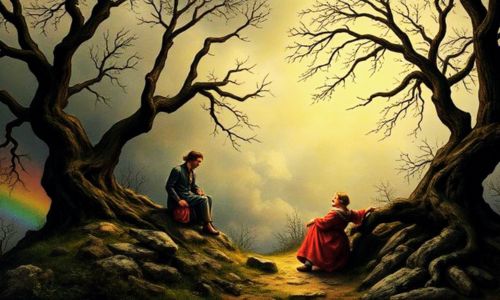 Reacting against the rationality of the Enlightenment, Romanticism celebrated emotion, nature, and individualism. Poets like William Wordsworth, Samuel Taylor Coleridge, and John Keats, along with novelists like Mary Shelley (Frankenstein), emphasized imagination and the sublime. This movement also explored themes of rebellion and the supernatural.
6. Realism (Mid-19th Century)
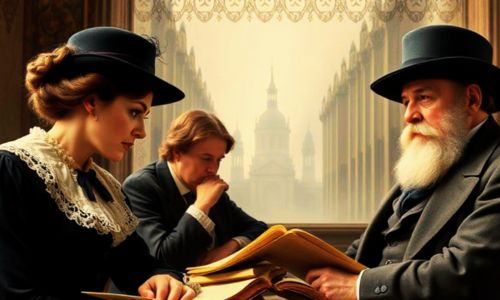 Realism sought to depict everyday life and society with accuracy and detail. Writers like Gustave Flaubert (Madame Bovary), Leo Tolstoy (Anna Karenina), and Charles Dickens (Great Expectations) focused on ordinary characters and social issues, often critiquing industrialization and class disparities.
7. Modernism (Early 20th Century)
 Modernism emerged as a response to the disillusionment following World War I. Writers like James Joyce, Virginia Woolf, and T.S. Eliot experimented with narrative structure, stream of consciousness, and fragmented perspectives. This movement challenged traditional forms and explored themes of alienation and existentialism.
8. Postmodernism (Mid-20th Century – Present)
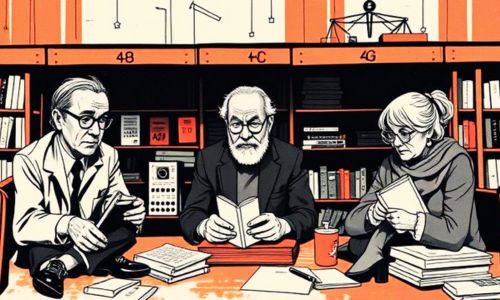 Postmodernism questioned grand narratives and embraced ambiguity, irony, and intertextuality. Authors like Thomas Pynchon, Salman Rushdie, and Margaret Atwood blurred the lines between fiction and reality, often incorporating metafiction and pastiche. This movement reflects the complexities of a globalized, media-saturated world.
9. Contemporary Literature (21st Century)
 Contemporary literature continues to evolve, addressing issues like identity, technology, and climate change. Writers like Chimamanda Ngozi Adichie, Haruki Murakami, and Colson Whitehead explore diverse perspectives and experiment with hybrid forms, reflecting the interconnectedness of our modern world.
Overall the history of literature is a testament to humanity’s enduring quest to understand itself and the world. Each literary movement offers a unique lens through which to view the past, present, and future, reminding us of the power of storytelling to inspire, challenge, and transform. By studying these movements, we not only appreciate the richness of literary tradition but also gain a deeper understanding of the cultural and historical forces that shape our lives.










LEAVE A COMMENT