
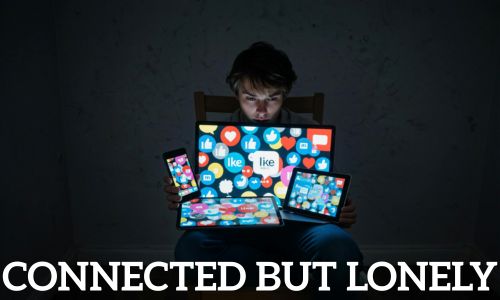
Connected But Lonely
ESSAY OUTLINE
1. Introduction
- Hook: Highlight the prevalence of social media in everyday life.
- Context: Social networks as primary tools for communication today.
- Thesis statement: While social networks enable instant connection, they often undermine genuine and sincere relationships.
2. Superficial Connections
- Point: Online interactions are often shallow and transactional.
- Evidence: Likes, comments, and short messages replace meaningful conversations.
- Explanation: Lack of depth reduces emotional bonding.
3. Illusion of Intimacy
- Point: Social media creates a false sense of closeness.
- Evidence: People share curated content instead of authentic experiences.
- Explanation: This leads to misunderstandings and unfulfilled emotional needs.
4. Impact on Communication Skills
- Point: Over-reliance on social media affects face-to-face interactions.
- Evidence: Decline in empathy, listening skills, and non-verbal communication.
- Explanation: Weaker real-life connections result from poor interpersonal skills.
5. Counterargument and Rebuttal
- Counterpoint: Social media can maintain long-distance relationships.
- Rebuttal: While useful, it cannot fully replace the depth of personal interactions.
6. Conclusion
- Restate thesis: Social networks facilitate connections but compromise sincerity.
- Broader insight: True relationships require effort beyond the digital sphere.
- Call to action: Encourage mindful, genuine communication offline.
ESSAY
Social media dominates modern life, shaping how people communicate, learn, and share their experiences. Millions of users scroll, post, and interact daily across platforms like Facebook, Instagram, TikTok, and X (Twitter). These digital spaces have become so embedded in daily routines that checking notifications or sharing updates feels as natural as speaking face-to-face.
In today’s fast-paced world, social networks serve as the primary tools for communication. People use them to connect with friends, collaborate on projects, and express their ideas instantly, regardless of distance. Businesses, educators, and communities rely on these platforms to spread information, build networks, and engage with audiences. Social media has replaced many traditional forms of interaction, making virtual connection a central part of human communication.
While social networks allow people to connect instantly and stay informed, they often weaken the depth of human relationships. As people depend more on digital interactions, they risk losing emotional sincerity, personal closeness, and the authenticity that face-to-face communication fosters.
Online interactions often create shallow and transactional relationships. People connect on social media mainly to maintain visibility or exchange quick updates, not to build deep emotional ties. They engage briefly, focusing more on appearances and social validation than on genuine understanding or empathy.
Users express connection through likes, emojis, and short comments instead of meaningful conversations. A simple reaction—such as clicking a heart or typing “nice!”—replaces the thoughtful discussions that once strengthened friendships. These quick responses give an illusion of engagement but rarely involve real listening, emotional support, or personal investment.
This lack of depth weakens emotional bonding among individuals. When people limit their communication to surface-level gestures, they fail to develop the trust and empathy that meaningful relationships require. As a result, friendships and family ties may look active online but feel distant in reality, showing how social media often turns genuine connection into mere digital performance.
Social media creates a powerful but misleading sense of closeness. People feel connected to others because they constantly see updates, photos, and stories online. However, this constant exposure only mimics real intimacy. Users often believe they know what others are going through, yet they rarely engage in personal, meaningful interactions that build genuine understanding.
Many users share curated and filtered versions of their lives rather than authentic experiences. They post highlights, achievements, and happy moments while hiding struggles, sadness, or vulnerability. This selective sharing makes their lives appear perfect, encouraging others to form false impressions. As a result, people connect with idealized images rather than the real individuals behind them.
This illusion of intimacy causes misunderstandings and emotional emptiness. When relationships revolve around carefully crafted posts instead of honest communication, people struggle to meet their deeper emotional needs. They may feel surrounded by friends online yet remain lonely offline. Social media, therefore, tricks people into believing they share close bonds when, in reality, their relationships often lack sincerity and true emotional depth.
People who rely heavily on social media often struggle with face-to-face communication. They prefer texting, commenting, or sending emojis instead of engaging in direct conversations. As a result, they avoid real-time discussions that require patience, emotional awareness, and active listening. This dependency on digital platforms gradually weakens their ability to communicate effectively in person.
Researchers and educators observe a decline in empathy, listening skills, and non-verbal communication among frequent social media users. Many individuals find it difficult to read body language, maintain eye contact, or respond to emotional cues during in-person interactions. Because social platforms limit communication to text and images, users miss opportunities to practice understanding tone, expressions, and gestures that are essential for genuine human connection.
This decline in interpersonal skills leads to weaker and less fulfilling real-life relationships. When people fail to express empathy or interpret others’ emotions accurately, they create distance rather than closeness. Over time, these communication gaps make friendships and family relationships less meaningful. By depending too much on virtual communication, individuals lose the warmth, sincerity, and emotional depth that only face-to-face interaction can provide.
Supporters of social media argue that digital platforms help people maintain long-distance relationships. They believe that video calls, instant messages, and social updates allow loved ones to stay connected despite physical separation. Families use social networks to share milestones, and friends use them to bridge time zones and distances. Through these tools, individuals can sustain relationships that might otherwise fade without digital communication.
While social media indeed helps people stay in touch, it cannot fully replace the depth of personal interactions. Virtual communication lacks the emotional presence, body language, and genuine warmth that in-person meetings create. Seeing a loved one’s smile through a screen is not the same as sharing a real moment together. Over time, reliance on digital contact can make relationships feel distant and incomplete. True connection requires emotional depth, shared experiences, and physical presence—qualities that social media can simulate but never truly replicate.
Social networks allow people to connect instantly and maintain communication across distances, yet they often compromise the sincerity and authenticity of those relationships. As individuals depend more on virtual interactions, they risk losing the emotional depth that defines genuine human connection.
True relationships require consistent effort, empathy, and presence—qualities that extend beyond the digital world. Real bonds grow when people take time to listen, share experiences, and engage with one another personally. Technology can support communication, but it should never replace the emotional understanding and trust that come from face-to-face interaction.
People should practice mindful and genuine communication offline. They can start by reducing screen time, meeting friends and family in person, and giving full attention during conversations. By valuing authenticity over convenience, individuals can rebuild sincere relationships that social media alone can never provide.












LEAVE A COMMENT